
















Top 10 Innovative OOH Campaigns That Went Viral in 2025 | Digital
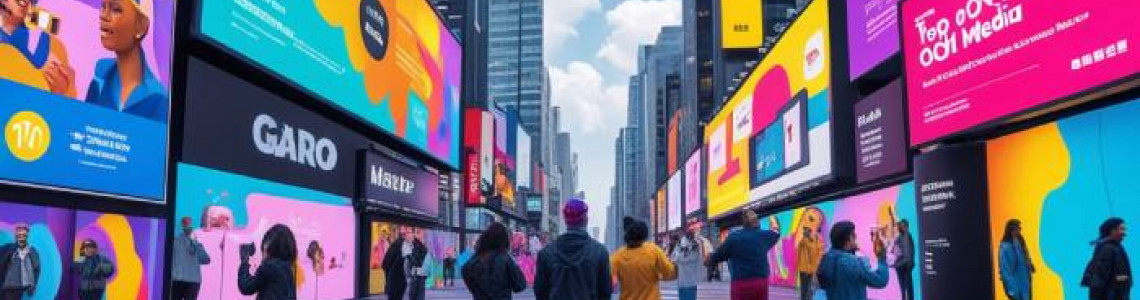
The year 2025 has been a landmark period for Out-of-Home (OOH) advertising. With the fusion of technology, data-driven creativity, and immersive storytelling, brands have delivered campaigns that not only captured attention but also went viral across social media. From AI-powered billboards to interactive holographic installations, 2025 redefined how audiences experience outdoor advertising.
Here are the top 10 most innovative and viral OOH campaigns of 2025 that set new industry benchmarks.
1. Nike’s AI-Driven Dynamic Performance Billboard
Nike unveiled a futuristic digital billboard that analyzed real-time weather, local running route data, and street footfall to display tailored fitness messages.
The campaign became viral because the billboard changed visuals every few seconds based on live conditions—showing personalized shoe recommendations.
Why it went viral: Hyper-personalized AI creativity + real-time adaptability.
2. Coca-Cola’s Holographic “Open Happiness” Experience
Coca-Cola deployed 3D holographic OOH installations in major malls that projected floating Coke bottles and animated characters inviting the audience to interact.
Why it went viral: Stunning holograms triggered massive user-generated social content.
3. Netflix’s AR Character Takeover
To promote new releases, Netflix created AR-enabled billboards where characters literally stepped “out” of the billboard when viewed through a phone.
Why it went viral: AR filters turned viewers into part of the campaign, making it perfect for Instagram and TikTok.
4. Samsung’s Transparent LED Cityscape
Samsung installed transparent LED screens on building facades to create the illusion of futuristic worlds blending with the real skyline.
Why it went viral: A rare blend of architecture + digital art that people couldn’t stop filming.
5. Tesla’s Live Charging Status Billboard
Tesla displayed a giant billboard connected to nearby EV charging stations showing live charging progress of Tesla cars in real time.
Why it went viral: Innovative utility + stunning visualizations = perfect tech buzz.
6. Spotify’s “Mood of the City” Data Wall
Using location-based listening data, Spotify created a billboard that updated every hour to reveal the top moods, artists, and genres people were listening to in that area.
Why it went viral: Relatable, hyper-local, and fun—people loved seeing their city’s “vibe score.”
7. Adidas’ Eco-Friendly Living Billboard
Adidas installed a plant-based, air-purifying billboard that actively cleaned polluted air while promoting their sustainable product line.
Why it went viral: Sustainability + visually striking design + real environmental benefit.
8. Amazon Prime’s Drone Projection Light Show
Amazon used synchronized drones to project massive 3D animations in the night sky to promote Prime Day 2025.
Why it went viral: Aerial OOH spectacle that people captured and shared instantly.
9. Pepsi’s Interactive Gesture-Control LED Screen
Pepsi launched gesture-based digital billboards where people could “shake,” “swipe,” or “tilt” their hands to unlock animations and win digital coupons.
Why it went viral: Interactive, playful, and instantly shareable.
10. Apple’s “Vision Pro Reality Portal”
Apple created immersive portals using mixed reality screens that let the public “experience the world through Vision Pro” directly on the street.
Why it went viral: Futuristic, immersive, and instantly became a viral tech moment.
Conclusion
The year 2025 showcased how far OOH advertising has evolved—from static posters to immersive, interactive, AI-powered, and tech-enabled experiences. These top 10 campaigns set new standards for creativity and virality, proving that outdoor media remains one of the most powerful storytelling platforms.
Elyts Advertising and Branding Solutions | www.elyts.in (India) | www.elyts.agency (UAE)
Related Products



Leave a Comment