
















Impact of Social Media | Sports Broadcasting | Fan Communities
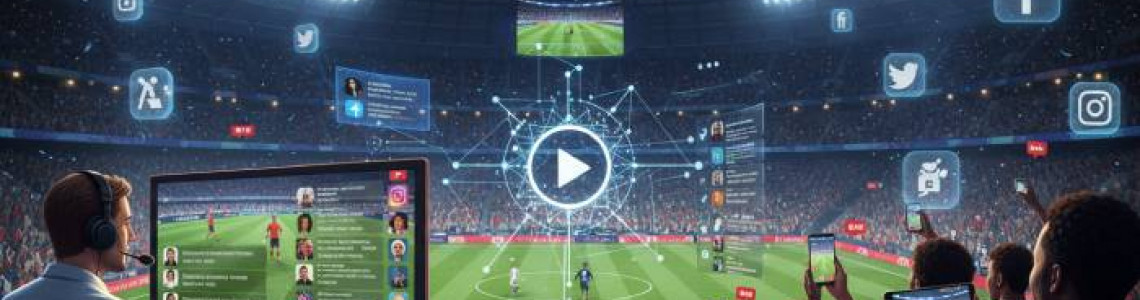
The sports broadcasting industry has undergone a massive transformation in recent years, and social media has been one of the biggest drivers of this change. Platforms like Instagram, X (Twitter), YouTube, Facebook, and TikTok have reshaped how sports content is created, distributed, and consumed. No longer limited to live television broadcasts, sports now thrive in a digital-first ecosystem where fans engage in real time, share opinions instantly, and build global communities around their favorite teams and athletes.
This shift has not only altered broadcasting strategies but has also redefined fan culture, making sports more interactive, inclusive, and data-driven than ever before.
How Social Media Is Changing Sports Broadcasting
1. Real-Time Content Distribution
Social media allows broadcasters, leagues, and teams to share live updates, highlights, and behind-the-scenes moments instantly. Short video clips, live scores, and key match moments reach fans within seconds, often before traditional TV replays.
This real-time distribution keeps audiences engaged even when they are not watching the full broadcast, extending the lifespan of live sports events beyond television screens.
2. Rise of Second-Screen Viewing
Modern sports fans often watch matches while simultaneously scrolling through social media. Platforms act as a “second screen,” where fans:
-
Discuss live moments
-
React to controversial decisions
-
Participate in polls and predictions
-
Engage with commentators and athletes
Broadcasters now actively design content to complement this behavior, integrating hashtags, live tweets, and interactive elements into their broadcasts.
3. Short-Form Video and Highlights Culture
Social media has fueled the popularity of short-form sports content. Bite-sized highlights, player reactions, and fan-generated clips perform exceptionally well, especially among younger audiences.
This has influenced broadcasters to:
-
Produce vertical videos optimized for mobile viewing
-
Create platform-specific highlight packages
-
Focus on storytelling beyond the final score
As a result, sports content is no longer confined to match time—it thrives 24/7 across platforms.
Impact on Fan Communities
4. Stronger Fan Engagement and Interaction
Social media has transformed fans from passive viewers into active participants. Fans now comment, share, remix, and even influence sports narratives in real time.
Online communities form around:
-
Teams and leagues
-
Star athletes
-
Rivalries and tournaments
These digital fan communities create emotional connections that go far beyond the stadium or TV screen.
5. Direct Access to Athletes and Teams
One of the biggest changes social media has brought is direct communication between athletes and fans. Players can share personal moments, training routines, and opinions without relying on traditional media channels.
This transparency:
-
Builds authenticity and trust
-
Strengthens athlete personal brands
-
Humanizes sports personalities
For fans, this access deepens loyalty and emotional investment.
6. User-Generated Content and Fan Influence
Fans now play a major role in content creation. Memes, reaction videos, match analyses, and fan art often gain massive traction, sometimes outperforming official content.
Broadcasters and sports organizations increasingly:
-
Repost fan-created content
-
Collaborate with influencers and superfans
-
Monitor fan sentiment for content planning
This shift has given fans a powerful voice in shaping sports conversations.
Monetization and Brand Opportunities
7. New Revenue Streams for Broadcasters
Social media has opened up new monetization opportunities such as:
-
Sponsored posts and branded highlights
-
Influencer-led sports promotions
-
Platform-exclusive content partnerships
Broadcasters can now monetize sports content beyond traditional advertising slots, making campaigns more targeted and measurable.
8. Data-Driven Content Strategies
Social media platforms provide detailed insights into fan behavior, including engagement rates, viewing preferences, and sentiment analysis.
Broadcasters use this data to:
-
Optimize content timing and formats
-
Personalize fan experiences
-
Improve commentary and storytelling
This data-driven approach enhances both audience satisfaction and commercial performance.
Challenges and Considerations
Despite its advantages, social media also presents challenges:
-
Content piracy and unauthorized clips
-
Short attention spans affecting long-form viewership
-
Managing negative fan behavior and misinformation
Balancing instant content with exclusive broadcast rights remains a key challenge for sports media companies.
The Future of Social Media in Sports Broadcasting
Looking ahead, social media will play an even larger role in sports broadcasting through:
-
Live-streaming integrations
-
AI-powered content recommendations
-
Augmented and immersive fan experiences
-
Deeper community-based engagement models
Rather than replacing traditional broadcasting, social media will continue to enhance and amplify it.
Conclusion
The impact of social media on sports broadcasting and fan communities is profound and irreversible. It has transformed how sports are consumed, discussed, and monetized, creating a more interactive and fan-centric ecosystem.
Elyts Advertising and Branding Solutions | www.elyts.in (India) | www.elyts.agency (UAE)
Related Products


Leave a Comment