














The Impact of 5G Technology on Digital OOH Advertising | Elyts
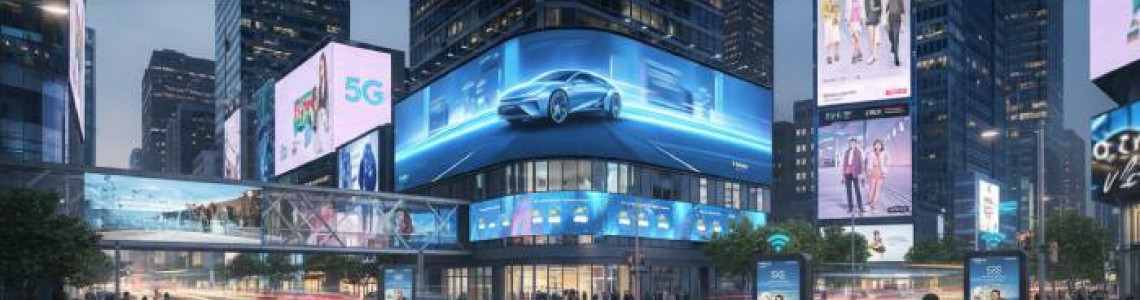
The evolution of Digital Out-of-Home (DOOH) advertising has been closely linked with advancements in connectivity and data technology. From static billboards to dynamic, data-driven screens, the transformation has been remarkable. Now, the rollout of 5G technology is set to redefine how brands leverage Digital OOH advertising, making campaigns faster, smarter, and more interactive than ever before.
In this article, we explore how 5G is revolutionizing DOOH advertising and why brands, media planners, and agencies must adapt to this next-generation connectivity shift.
Understanding 5G and Its Capabilities
5G is the fifth generation of wireless technology, offering:
-
Ultra-fast data speeds
-
Low latency (near real-time responsiveness)
-
Increased network capacity
-
Improved reliability
These capabilities allow connected devices—including digital billboards, smart kiosks, transit displays, and interactive screens—to operate more efficiently and seamlessly. For DOOH advertising, this means better targeting, dynamic content delivery, and real-time campaign optimization.
Real-Time Content Delivery at Scale
One of the biggest advantages of 5G in Digital OOH advertising is real-time content updates. Traditional outdoor advertising required manual updates or scheduled content rotations. With 5G connectivity:
-
Campaign creatives can be updated instantly across multiple locations.
-
Ads can adapt to live conditions such as weather, traffic, time of day, or local events.
-
Emergency messaging or flash promotions can be deployed within seconds.
For example, a retail brand can promote umbrellas during sudden rainfall or highlight happy-hour offers when nearby foot traffic increases.
Enhanced Programmatic DOOH Capabilities
Programmatic DOOH relies on data, automation, and connectivity. 5G significantly strengthens this ecosystem by enabling:
-
Faster bidding and ad placements
-
Real-time audience analytics
-
Immediate campaign performance tracking
With minimal latency, advertisers can adjust messaging based on live audience insights, improving campaign efficiency and ROI. This agility gives brands a competitive edge in high-traffic urban environments.
Interactive and Immersive Experiences
5G’s low latency makes interactive advertising smoother and more engaging. Consumers can now:
-
Scan QR codes without delay
-
Participate in AR-based outdoor experiences
-
Engage with touchless screens powered by mobile integration
-
Stream high-definition or 3D content seamlessly
Interactive DOOH campaigns that once faced connectivity limitations can now operate without buffering or lag. This enhances user experience and increases engagement rates.
Integration with IoT and Smart Cities
As cities adopt smart infrastructure, 5G enables seamless communication between devices. Digital screens can integrate with:
-
Traffic management systems
-
Public transport networks
-
Environmental sensors
-
Crowd monitoring tools
This integration allows hyper-contextual advertising. For example, ads can change based on traffic congestion levels or nearby event crowds, ensuring relevance and timeliness.
Higher-Quality Visual Content
5G supports high-bandwidth data transmission, allowing DOOH networks to display:
-
4K and 8K video ads
-
High-resolution 3D creatives
-
Live-streamed events
-
Dynamic animated content
The ability to stream ultra-HD visuals without delays elevates the creative potential of outdoor campaigns, making them more visually impactful and memorable.
Improved Measurement and Attribution
Accurate measurement has long been a challenge in OOH advertising. With 5G-enabled connectivity, advertisers can:
-
Collect anonymized mobile data insights
-
Analyze footfall patterns in real time
-
Track audience engagement metrics
-
Optimize placements instantly
Enhanced data collection improves attribution models and helps brands justify advertising investments with measurable outcomes.
Security and Reliability
5G networks offer enhanced security protocols and improved reliability compared to earlier generations. For DOOH operators managing large networks of digital screens, this means:
-
Reduced downtime
-
Secure content transmission
-
Stable connections even in crowded areas
Reliable connectivity ensures uninterrupted ad delivery and protects brand messaging integrity.
Challenges to Consider
While 5G presents enormous opportunities, there are considerations:
-
Infrastructure rollout varies by region
-
Initial setup costs can be high
-
Data privacy regulations must be carefully managed
Brands must collaborate with trusted media partners and technology providers to maximize benefits while maintaining compliance.
The Future of DOOH in a 5G World
The impact of 5G on Digital OOH advertising extends beyond faster connectivity. It enables a shift toward:
-
Hyper-personalized outdoor messaging
-
Real-time data-driven optimization
-
Immersive brand storytelling
-
Seamless omnichannel integration
As 5G adoption accelerates globally, DOOH will become even more dynamic, measurable, and performance-driven. Brands that embrace this technological shift early will unlock new creative possibilities and stronger consumer engagement.
Conclusion
5G technology is not just an upgrade in network speed—it is a catalyst for innovation in Digital OOH advertising. From real-time content updates and programmatic buying to immersive interactive experiences, 5G empowers brands to create smarter, more impactful outdoor campaigns.
Elyts Advertising and Branding Solutions | www.elyts.in (India) | www.elyts.agency (UAE)
Related Products


Leave a Comment