















Hyperlocal Targeting Through Mall Media Advertising | Digitally
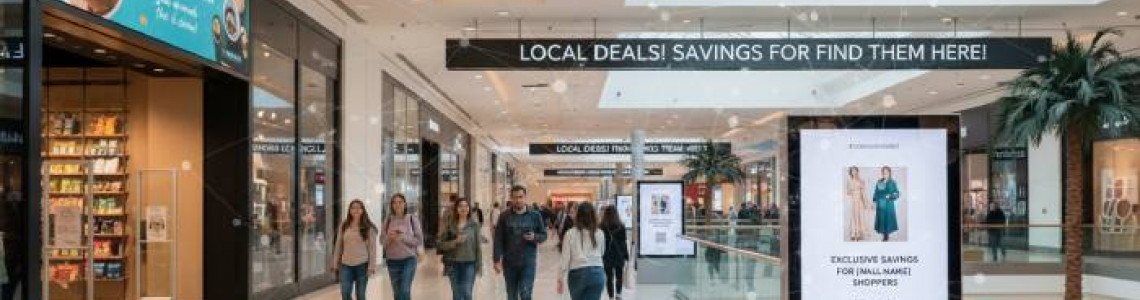
In today’s competitive advertising landscape, brands are no longer satisfied with broad audience reach alone. Precision, relevance, and context have become the cornerstones of effective marketing. This shift has led to the rapid rise of hyperlocal targeting, especially through mall media advertising. Shopping malls, as high-footfall lifestyle destinations, offer a unique opportunity for brands to engage consumers at the right place, time, and mindset.
Hyperlocal mall media advertising enables brands to connect with nearby audiences in a highly contextual and measurable way, making it one of the most impactful offline-to-online marketing strategies today.
What Is Hyperlocal Targeting in Mall Media?
Hyperlocal targeting refers to delivering advertising messages to a specific geographic area—often within a few kilometers or even inside a single location. In mall media advertising, this means targeting shoppers inside or around a particular mall, floor, store cluster, or even time slot.
Using digital screens, interactive kiosks, elevator panels, parking displays, and Wi-Fi or beacon technology, advertisers can communicate with audiences based on location, behavior, and intent.
Why Malls Are Ideal for Hyperlocal Advertising
Shopping malls are not just retail hubs; they are social, entertainment, and dining destinations. This makes them ideal for hyperlocal targeting for several reasons:
-
High dwell time: Shoppers spend extended periods inside malls.
-
Intent-driven visits: Visitors are already in a buying mindset.
-
Diverse audience segments: Families, professionals, youth, and tourists under one roof.
-
Controlled environment: Minimal ad clutter and premium brand surroundings.
Mall media allows advertisers to reach consumers when they are closest to the point of purchase.
Key Mall Media Formats That Enable Hyperlocal Targeting
1. Digital Signage Networks
Large-format LED screens, video walls, and standees placed at entrances, food courts, escalators, and atriums deliver high-impact visual messaging targeted to specific zones.
2. Lift & Escalator Branding
These spaces capture attention during moments of pause, making them ideal for short, persuasive brand messages.
3. Parking Area Advertising
Parking zones allow targeting based on entry and exit points, perfect for automotive, retail, and FMCG brands.
4. Wi-Fi & Mobile-Based Engagement
Mall Wi-Fi login pages, QR codes, and mobile notifications enable personalized offers based on user behavior and location.
5. Interactive Kiosks & Touchpoints
These allow two-way engagement, helping brands educate, entertain, and collect data from local shoppers.
Benefits of Hyperlocal Targeting Through Mall Media
Precise Audience Reach
Brands can target specific demographics based on mall location, footfall patterns, and time of day.
Higher Conversion Rates
Mall visitors are closer to purchase decisions, leading to better engagement and ROI.
Stronger Brand Recall
Repeated exposure across multiple touchpoints within the mall reinforces brand memory.
Localized Messaging
Campaigns can be customized for regional language, festivals, store launches, or local promotions.
Seamless Online-to-Offline Integration
Mall media bridges the gap between digital campaigns and physical store visits.
Use Cases Across Industries
-
Retail & Fashion: New collection launches, in-store offers
-
Food & Beverage: Food court promotions, limited-time deals
-
Real Estate: Nearby residential or commercial projects
-
Education: Local institutes and skill centers
-
Entertainment: Movie releases, gaming zones, live events
-
Healthcare & Wellness: Clinics, gyms, and wellness brands near the mall
Measuring Success in Hyperlocal Mall Media Campaigns
Modern mall media networks offer measurable insights such as:
-
Footfall analytics
-
Dwell time tracking
-
QR code scans
-
Store walk-ins
-
Sales uplift correlation
These metrics help brands optimize campaigns in real time and justify media spends effectively.
Future of Hyperlocal Mall Media Advertising
With the integration of AI, data analytics, and programmatic DOOH, mall media advertising is evolving rapidly. Future campaigns will offer:
-
Dynamic creatives based on audience profiles
-
Time-based and event-driven messaging
-
Deeper personalization
-
Stronger attribution models
As brands move toward experience-driven marketing, hyperlocal mall media will play a pivotal role.
Conclusion
Hyperlocal targeting through mall media advertising combines the power of location, context, and consumer intent. It enables brands to engage shoppers in meaningful ways while driving measurable business outcomes. In an era where relevance defines success, mall media stands out as a highly effective channel for localized, high-impact advertising.
For brands looking to dominate their local markets and influence purchase decisions at the right moment, hyperlocal mall media advertising is no longer optional—it’s essential.
Elyts Advertising and Branding Solutions | www.elyts.in (India) | www.elyts.agency (UAE)
Related Products




Leave a Comment