















Hyperlocal Targeting | Mall Media | Reaching Shoppers | Digitally
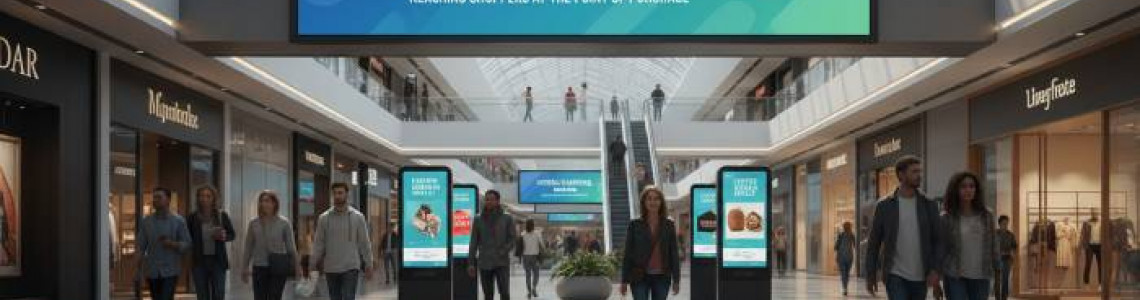
In today’s competitive retail landscape, brands are constantly searching for smarter ways to connect with consumers at the exact moment they are ready to buy. Hyperlocal targeting through mall media has emerged as a powerful strategy that allows advertisers to influence shoppers directly at the point of purchase.
With high footfall, extended dwell time, and a purchase-driven mindset, malls provide the perfect environment for impactful Out-of-Home (OOH) advertising. When combined with hyperlocal targeting strategies, mall media becomes a precision marketing tool that drives conversions, boosts brand recall, and maximizes ROI.
What Is Hyperlocal Targeting in Mall Media?
Hyperlocal targeting refers to delivering advertising messages to a specific audience within a defined geographic radius. In the context of mall media, it means targeting shoppers inside or around a particular shopping mall using strategically placed advertising formats such as:
-
Digital screens and LED walls
-
Escalator branding
-
Atrium displays
-
Food court branding
-
In-store digital kiosks
-
Parking area signage
This approach ensures brands communicate with consumers who are physically present in a buying environment — increasing the likelihood of immediate action.
Why Mall Media Is Ideal for Point-of-Purchase Targeting
1. High Purchase Intent
Unlike general outdoor advertising, mall visitors typically arrive with a buying mindset. Whether shopping for fashion, electronics, groceries, or dining, they are prepared to spend — making mall media extremely conversion-focused.
2. Extended Dwell Time
Shoppers spend hours browsing, dining, and engaging with entertainment zones. This longer exposure time increases message retention and brand familiarity.
3. Defined Demographics
Different malls attract specific audience segments — luxury shoppers, families, students, or urban professionals. Brands can select malls aligned with their target market for precise hyperlocal targeting.
4. Proximity to Retail Stores
Mall media influences purchase decisions just steps away from retail outlets. A well-placed advertisement can directly drive footfall into nearby stores.
Effective Hyperlocal Strategies Using Mall Media
Geo-Fenced Digital Campaigns
By combining mall media with geo-fencing technology, brands can target users' mobile devices within a specific mall radius. This allows synchronized messaging across digital screens and smartphones.
Time-Based Advertising
Brands can tailor messaging according to peak hours, weekends, festive seasons, or sale periods. For example:
-
Lunch hour promotions in food courts
-
Weekend family offers
-
Festive shopping discounts
Store-Specific Promotions
Hyperlocal mall campaigns can highlight exclusive in-store offers, limited-time deals, or flash sales, prompting immediate purchases.
QR Code & Interactive Campaigns
Digital mall displays integrated with QR codes allow shoppers to:
-
Claim discounts
-
Access loyalty programs
-
Participate in contests
-
Download brand apps
This bridges offline exposure with online engagement.
Benefits of Hyperlocal Mall Media Advertising
Higher Conversion Rates
Reaching consumers inside a shopping environment dramatically increases the probability of immediate purchase.
Stronger Brand Recall
Repetitive exposure across multiple touchpoints within the mall strengthens brand memory.
Measurable Impact
Modern mall media platforms offer:
-
Footfall analytics
-
Engagement tracking
-
Sales uplift measurement
-
Audience demographics insights
These metrics help brands optimize campaign performance.
Cost Efficiency
Compared to mass media campaigns, hyperlocal targeting ensures marketing budgets are spent only on high-intent audiences.
Industries That Benefit Most from Mall Media Hyperlocal Targeting
-
Fashion & Apparel Brands
-
Electronics & Gadget Retailers
-
Beauty & Cosmetics
-
Food & Beverage Outlets
-
FMCG Brands
-
Lifestyle & Luxury Products
For retail-focused businesses, mall media offers unmatched proximity to consumers ready to transact.
Integrating Mall Media with Omnichannel Marketing
To maximize impact, brands should combine mall media with:
-
Social media retargeting
-
SMS promotions
-
App push notifications
-
Influencer collaborations
-
In-store experiential marketing
When mall advertising aligns with digital campaigns, it creates a seamless customer journey from awareness to purchase.
Best Practices for Successful Hyperlocal Mall Campaigns
-
Keep messaging clear and action-driven
-
Highlight limited-time offers
-
Use visually striking creatives
-
Align campaigns with festive and seasonal trends
-
Track and optimize using performance data
The Future of Hyperlocal Targeting in Mall Media
As data analytics, AI-driven insights, and digital OOH technologies evolve, hyperlocal targeting in malls will become even more precise. Smart screens, audience measurement tools, and personalized advertising formats will transform mall media into a dynamic conversion engine.
Retailers and brands that leverage hyperlocal mall advertising today position themselves closer to consumers at the most influential stage — the point of purchase.
Conclusion
Hyperlocal targeting through mall media is no longer just an awareness strategy — it is a direct sales driver. By reaching shoppers in a high-intent environment, brands can influence buying decisions instantly and effectively.
For businesses aiming to increase footfall, drive conversions, and strengthen local market presence, mall media offers a strategic advantage that traditional advertising channels simply cannot match.
Elyts Advertising and Branding Solutions | www.elyts.in (India) | www.elyts.agency (UAE)
Related Products



Leave a Comment