
















Hyperlocal Targeting | OOH Media | Reaching the Right Audience
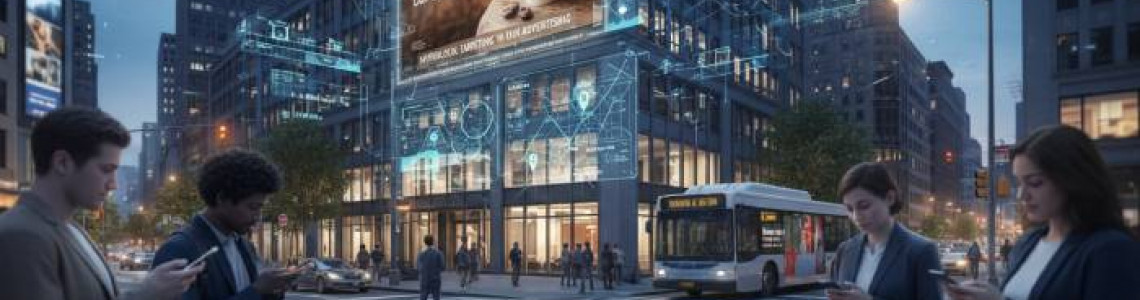
In today’s data-driven marketing ecosystem, precision is everything. While digital advertising often dominates conversations about targeting, Out-of-Home (OOH) advertising has evolved significantly. With the rise of data analytics, location intelligence, and Digital Out-of-Home (DOOH), hyperlocal targeting in OOH advertising has become one of the most powerful strategies for brands aiming to connect with consumers at the right place and the right moment.
For agencies like Elyts Branding Solutions, hyperlocal OOH offers an incredible opportunity to combine creativity with strategic precision, ensuring brands dominate specific neighborhoods, streets, and high-intent zones.
What is Hyperlocal Targeting in OOH Advertising?
Hyperlocal targeting refers to focusing advertising efforts on a very specific geographic area—such as a particular street, commercial district, transit hub, shopping zone, or even a single building cluster.
Unlike traditional billboard campaigns that cover broad city-wide audiences, hyperlocal OOH campaigns use:
-
Location-based audience data
-
Footfall analytics
-
Demographic mapping
-
Behavioral insights
-
Real-time mobility patterns
This enables advertisers to serve highly relevant messages to people within a defined micro-location.
Why Hyperlocal Targeting is Transforming OOH Advertising
1. Precision Audience Engagement
Modern consumers expect personalized messaging. Hyperlocal OOH allows brands to:
-
Target office workers during weekday rush hours
-
Engage shoppers near malls and retail streets
-
Reach students around colleges and coaching hubs
-
Connect with high-income residential communities
By analyzing mobility data and consumer behavior, brands can tailor creatives that resonate with the immediate audience.
2. Real-Time Data Integration with DOOH
Digital screens have revolutionized OOH. Platforms powered by programmatic buying and smart scheduling enable:
-
Time-based messaging (morning vs evening commuters)
-
Weather-triggered ads
-
Event-based promotions
-
Traffic-density-based content switching
This transforms static advertising into dynamic, context-aware communication.
3. Higher ROI Through Local Relevance
When messaging matches the location context, engagement increases. For example:
-
A fitness brand advertising near gyms
-
A café promoting offers near corporate offices
-
A real estate project targeting nearby residential catchments
Hyperlocal OOH reduces media wastage and increases campaign efficiency, making it cost-effective compared to blanket city-wide campaigns.
Technologies Powering Hyperlocal OOH
Location Intelligence & Geospatial Analytics
Advanced mapping tools analyze foot traffic, dwell time, and audience demographics to determine optimal placements.
Mobile Data & Device Mapping
Anonymized mobile signals help advertisers understand movement patterns and frequently visited locations, enabling accurate targeting.
Programmatic DOOH
Programmatic platforms automate ad buying and allow advertisers to select specific screens in precise micro-locations.
AI-Driven Insights
Artificial intelligence helps predict consumer behavior and optimize creative delivery based on historical data and contextual triggers.
Key Locations for Hyperlocal OOH Campaigns
Hyperlocal targeting works best in high-intent areas such as:
-
Metro stations and bus terminals
-
Shopping malls and retail markets
-
IT parks and business districts
-
Residential societies
-
Educational institutions
-
Hospitals and healthcare clusters
-
Event venues and stadium surroundings
Selecting the right micro-market ensures higher message recall and better conversion potential.
Benefits of Hyperlocal OOH Advertising
✔ Increased Brand Recall
Frequent exposure in a consumer’s daily route strengthens brand memory.
✔ Contextual Messaging
Location-relevant creatives improve emotional connection.
✔ Measurable Impact
Footfall attribution models and mobile retargeting provide performance insights.
✔ Competitive Advantage
Brands can dominate specific neighborhoods, building strong local presence.
Hyperlocal OOH vs Traditional OOH
| Traditional OOH | Hyperlocal OOH |
|---|---|
| Broad city-wide coverage | Micro-location precision |
| General messaging | Context-specific creatives |
| Fixed placements | Data-optimized placements |
| Limited measurement | Advanced analytics & attribution |
The shift from mass visibility to strategic visibility defines the future of OOH advertising.
Strategies to Implement Hyperlocal OOH Successfully
-
Identify High-Value Catchment Areas
Use demographic and mobility data to shortlist profitable zones. -
Customize Creative for Each Location
Messaging should reflect local culture, language, and consumer behavior. -
Integrate with Mobile Retargeting
Combine OOH exposure with digital retargeting for multi-channel impact. -
Leverage Time & Context Triggers
Schedule ads based on peak movement hours and relevant events. -
Measure & Optimize Continuously
Use footfall tracking and campaign analytics to refine placements.
The Future of Hyperlocal OOH in 2026 and Beyond
As cities become smarter and data becomes richer, hyperlocal targeting will redefine outdoor advertising. Integration with:
-
5G connectivity
-
Smart city infrastructure
-
IoT-enabled screens
-
AI-driven personalization
will further enhance precision and effectiveness.
Brands that invest in hyperlocal OOH strategies will not only improve visibility but also build stronger community-level engagement and higher conversion rates.
Conclusion
Hyperlocal targeting in OOH advertising bridges the gap between mass visibility and personalized marketing. It empowers brands to deliver the right message, in the right place, at the right time—maximizing impact while optimizing spend.
In a competitive advertising landscape, hyperlocal OOH is no longer optional—it’s a strategic necessity for brands that want measurable results and stronger local dominance.
Elyts Advertising and Branding Solutions | www.elyts.in (India) | www.elyts.agency (UAE)
Related Products





Leave a Comment