














Smart Cities Are Revolutionizing OOH Advertising Opportunities
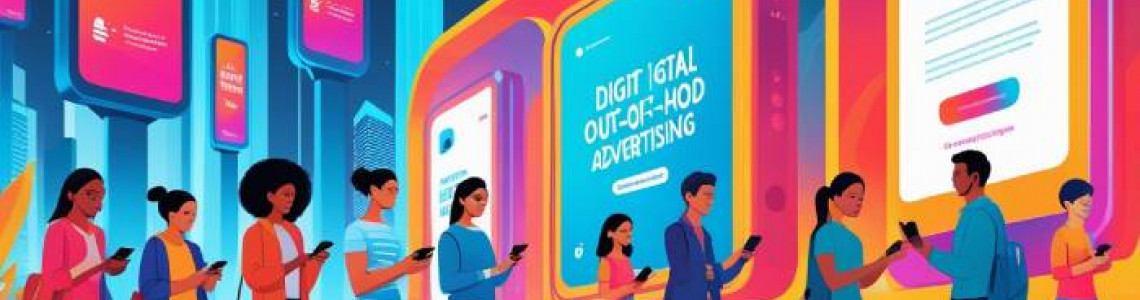
As urban centres across the world evolve into smart cities, the advertising landscape is undergoing a dramatic transformation. The rise of intelligent infrastructure, IoT-enabled systems, real-time data analytics, and connected public services has opened a new era for Out-of-Home (OOH) advertising. Today, OOH is no longer limited to static billboards—it has become dynamic, data-driven, personalised, and highly measurable. Smart cities are enabling brands to reach audiences with unprecedented accuracy and relevance, turning public spaces into powerful communication platforms.
What Makes a City “Smart” — And Why It Matters for OOH
A smart city integrates digital technologies into everyday infrastructure. This includes sensor networks, smart traffic systems, digital kiosks, public Wi-Fi, connected transit, and data-rich mapping tools.
For advertisers, this technology unlocks:
-
Precise audience insights based on mobility and behaviour patterns
-
Real-time content delivery on digital screens
-
Adaptive ad placements depending on traffic, weather, or demand
-
Greater control over campaigns with remote updates and data dashboards
This intelligent ecosystem allows OOH media to shift from passive messaging to highly strategic engagement.
How Smart Cities Are Redefining OOH Advertising Opportunities
1. Data-Driven Targeting and Personalisation
Smart cities generate massive amounts of real-time data—from traffic flows to footfall analytics. By integrating these insights, advertisers can choose the highest-performing locations and tailor content based on audience demographics, time of day, or local events.
Example: A beverage brand can display cold-drink ads during peak heat hours based on smart weather sensors.
2. Rise of Dynamic Digital OOH (DOOH)
Smart infrastructure supports digital billboards, smart kiosks, and interactive transit screens that respond to external triggers. DOOH brings flexibility, speed, and creativity to OOH campaigns.
Key features include:
-
Instant content updates
-
Interactive engagement (touch, QR, NFC)
-
Programmatic buying for real-time ad delivery
This shift makes OOH as agile as online advertising.
3. Hyperlocal Advertising Opportunities
Smart sensors and connected urban systems enable brands to target specific neighbourhoods, streets, or even intersections. Hyperlocal OOH placements deliver contextually relevant content that resonates with local residents and commuters.
Example: Retail brands can promote ongoing discounts only to people near a specific store location.
4. Integration With Mobile and AR Technology
Smart cities encourage cross-channel integration. DOOH screens can sync with smartphone apps, maps, and augmented reality platforms to create immersive experiences.
This opens doors to:
-
AR-enabled brand interactions on public screens
-
Mobile retargeting after a commuter views an OOH ad
-
Gamified OOH experiences for engagement and footfall
Such interactions increase brand recall and ROI.
5. Smarter Public Transit Advertising
Connected buses, metro stations, EV charging hubs, and autonomous vehicles have transformed transit media into dynamic advertising zones. Real-time passenger movement data allows advertisers to serve highly relevant messaging.
Examples:
-
Weather-triggered ads in metro stations
-
Real-time traffic-triggered ads on digital bus shelter screens
-
EV charging stations with premium DOOH slots
Transit OOH in smart cities is no longer just placement—it’s precision marketing.
6. Improved Measurement and Campaign Analytics
Smart cities offer advanced measurement tools that were once unavailable in traditional OOH.
Brands can now track:
-
Impressions and footfall
-
Engagement or interaction levels
-
Dwell time
-
Attribution through mobile location data
This analytics revolution gives OOH accountability similar to digital marketing.
7. Sustainable, Energy-Efficient OOH Formats
Smart cities promote sustainability, and OOH advertising is aligning with this shift.
Trends include:
-
Solar-powered digital billboards
-
LED low-energy screens
-
Eco-friendly smart bus shelters
-
Paperless, recyclable ad formats
Sustainable advertising improves brand image and reduces operational costs.
Why Smart City OOH Is the Future of Advertising
The fusion of technology, data, and creativity is turning OOH into one of the most impactful ad mediums. As smart cities continue to expand, advertisers will benefit from:
-
Higher ROI with accurate targeting
-
More engaging, interactive formats
-
Better measurement and transparency
-
Seamless integration with digital marketing strategies
-
Access to premium, high-traffic environments
OOH in smart cities is not just billboards—it is a dynamic communication ecosystem.
Conclusion
Smart cities are revolutionising the OOH advertising industry by introducing data intelligence, interactivity, sustainability, and real-time optimisation. Brands that embrace these innovations can unlock deeper engagement, wider reach, and superior campaign performance. As urban transformation accelerates, the future of OOH will be defined by smart, connected, and immersive experiences that blend seamlessly into the modern cityscape.
Elyts Advertising and Branding Solutions | www.elyts.in (India) | www.elyts.agency (UAE)
Related Products

Leave a Comment