















Mall Media Drives Footfall | Retail Brands | Retail Marketing
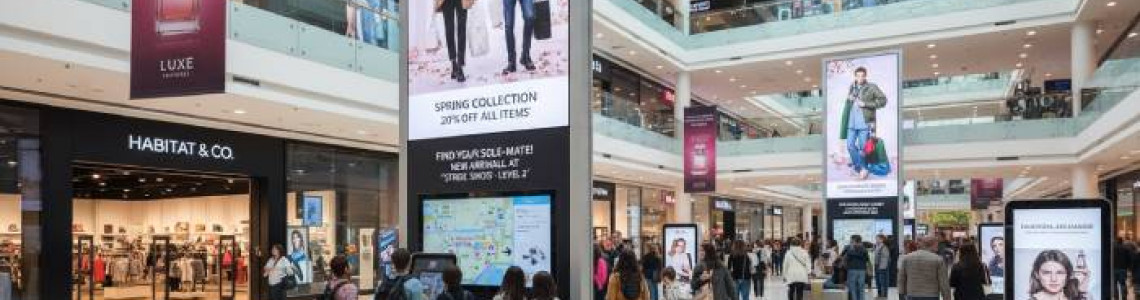
In today’s highly competitive retail landscape, capturing customer attention is more challenging than ever. With digital channels dominating marketing budgets, physical spaces like malls remain invaluable for creating direct connections with shoppers. Mall media—advertising across malls through digital screens, banners, kiosks, and interactive installations—has emerged as a key strategy for retail brands to drive footfall and boost sales.
What is Mall Media?
Mall media refers to the various advertising and promotional tools used within shopping malls to engage visitors. This can include:
-
Digital screens and video walls in common areas.
-
Point-of-sale displays near stores.
-
Interactive kiosks providing product information or virtual try-ons.
-
Experiential zones and brand activations that encourage participation.
-
Floor decals, banners, and posters strategically placed in high-traffic areas.
Unlike traditional outdoor advertising, mall media reaches a highly targeted audience—people who are already in a shopping mindset.
Why Mall Media is Effective
1. Targeted Audience Engagement
Mall visitors are a captive audience. Brands can reach shoppers at the point of decision, influencing purchase behavior immediately. Digital screens with dynamic content can be customized to match the demographics of a mall, such as teenagers in youth-centric malls or families in lifestyle malls.
2. Enhances Brand Visibility
High-impact displays and creative installations ensure a brand stands out in crowded mall environments. Eye-catching visuals and strategic placements increase the chances of brand recall and reinforce product messaging.
3. Supports Omnichannel Strategies
Mall media integrates seamlessly with digital campaigns. QR codes on digital displays can drive app downloads, online purchases, or social media engagement, creating a bridge between offline and online marketing efforts.
4. Encourages Impulse Purchases
Shoppers often make unplanned purchases. Well-placed mall media campaigns can highlight promotions, discounts, or new arrivals, nudging consumers to visit stores immediately.
5. Measurable Impact
Advanced digital screens and interactive kiosks allow brands to measure engagement through metrics like QR code scans, interaction time, and dwell time. This data helps optimize future campaigns for higher ROI.
Best Practices for Mall Media Campaigns
-
Know Your Audience: Tailor messaging to the mall’s visitor profile.
-
Use High-Impact Visuals: Bright, bold, and dynamic content grabs attention.
-
Incorporate Interactivity: Touchscreens, AR experiences, and gamification increase engagement.
-
Strategic Placement: Identify high-traffic zones such as entrances, food courts, and escalators.
-
Integrate Promotions: Highlight exclusive in-store offers or time-bound deals to drive immediate action.
Conclusion
Mall media is more than just an advertising medium; it’s a strategic tool for influencing shopper behavior and driving footfall. By combining creativity, technology, and data-driven insights, retail brands can transform mall visitors into loyal customers. In a world dominated by digital advertising, mall media remains a powerful way to engage consumers where it matters most—at the point of purchase.
Elyts Advertising and Branding Solutions | www.elyts.in (India) | www.elyts.agency (UAE)
Related Products





Leave a Comment