















Behind the Scenes of High Impact AD Film Production | Digitally
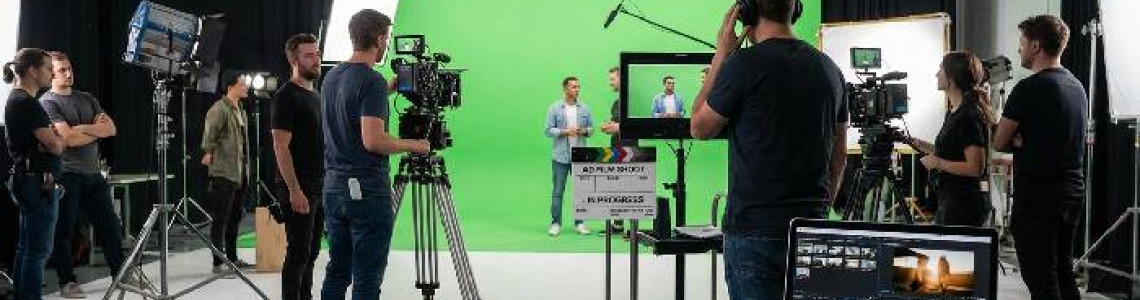
In today’s fast-paced digital landscape, high-impact ad films are more than just commercials—they are powerful storytelling tools that build brand identity, influence consumer behavior, and drive measurable business growth. From television screens to YouTube pre-rolls and OTT platforms, ad films have evolved into cinematic brand experiences.
But what truly happens behind the scenes of high-impact ad film production? Let’s explore the journey from concept to screen and understand how advertising agencies transform ideas into compelling visual narratives.
1. Understanding the Brand and Defining Objectives
Every successful ad film begins with clarity. Before cameras roll, agencies conduct in-depth research to understand:
-
Brand vision and values
-
Target audience demographics and psychographics
-
Market competition
-
Campaign goals (awareness, lead generation, sales, or repositioning)
This stage ensures the ad film aligns with the overall marketing strategy. A clear creative brief becomes the foundation of the production process.
2. Concept Development and Creative Strategy
The creative phase is where imagination meets strategy. Creative directors, copywriters, and strategists brainstorm multiple ideas based on:
-
Emotional storytelling
-
Problem–solution narratives
-
Humor or relatability
-
Aspirational lifestyle positioning
The goal is to craft a concept that resonates with the audience while maintaining brand recall. Mood boards, reference films, and script drafts are prepared to visualize the final output.
A strong concept is simple yet memorable—it communicates the message within seconds while leaving a lasting impact.
3. Scriptwriting and Storyboarding
Once the concept is approved, the scriptwriting process begins. The script outlines:
-
Dialogues
-
Voice-over narration
-
Scene breakdown
-
Key messaging points
Storyboarding follows, converting the script into visual frames. Each frame illustrates camera angles, scene transitions, and shot compositions. This stage minimizes production risks and ensures clarity for the entire crew.
4. Pre-Production Planning
Pre-production is the backbone of successful ad film production. It includes:
-
Casting actors or influencers
-
Finalizing locations
-
Selecting production crew (director, cinematographer, art director, etc.)
-
Budget allocation
-
Equipment planning
-
Scheduling shoot days
Detailed planning avoids delays and cost overruns. Professional agencies focus heavily on logistics to ensure smooth execution.
5. Production: Lights, Camera, Action
This is where ideas come to life. During production:
-
Directors guide performances
-
Cinematographers manage lighting and camera movement
-
Art directors control visual aesthetics
-
Sound teams ensure high-quality audio capture
High-impact ad films often use cinematic techniques such as slow motion, drone shots, dynamic lighting, and high-resolution cameras to enhance storytelling.
The production phase demands coordination, creativity, and precision. Even minor details—facial expressions, background elements, or product placement—can significantly influence viewer perception.
6. Post-Production Magic
Post-production transforms raw footage into a polished masterpiece. This phase includes:
-
Video editing
-
Color grading
-
Sound design and mixing
-
Background music composition
-
Visual effects (VFX)
-
Motion graphics and animation
Editors ensure the pacing keeps viewers engaged, especially in short-duration formats like 15–30 second ads. Color grading enhances mood, while sound design amplifies emotional impact.
In today’s digital era, post-production also optimizes ad films for multiple platforms—TV, social media, OTT, and mobile-first viewing.
7. Compliance and Brand Alignment
Before release, the ad film undergoes internal reviews to ensure:
-
Brand consistency
-
Legal compliance
-
Cultural sensitivity
-
Platform-specific guidelines
This step protects brand reputation and ensures the campaign delivers the intended message without controversy.
8. Distribution and Media Strategy
Creating a great ad film is only half the job. Strategic distribution determines its success. Agencies identify the right channels based on audience behavior:
-
Television broadcasting
-
YouTube and video streaming platforms
-
Social media advertising
-
OTT platforms
-
Cinema advertising
-
Digital performance campaigns
Performance metrics such as view-through rate (VTR), engagement rate, click-through rate (CTR), and conversion rate help measure effectiveness.
9. Measuring Impact and Optimization
Modern ad film production is data-driven. After launch, agencies analyze:
-
Audience engagement
-
Watch time
-
Brand recall metrics
-
Sales impact
-
ROI
Insights gathered from analytics help optimize future campaigns and refine creative strategies.
Key Elements of a High-Impact Ad Film
To truly stand out, high-impact ad films share common characteristics:
-
Strong emotional storytelling
-
Clear brand positioning
-
High production quality
-
Crisp editing and pacing
-
Platform-specific optimization
-
Memorable call-to-action
Why Professional Advertising Agencies Matter
Professional advertising agencies bring together creative thinkers, production experts, strategists, and data analysts under one roof. Their integrated approach ensures:
-
Strategic storytelling
-
Seamless production management
-
Cost efficiency
-
Faster turnaround
-
Measurable campaign results
For businesses aiming to scale in competitive markets, investing in professional ad film production can significantly elevate brand perception and customer engagement.
Conclusion
Behind every high-impact ad film lies a structured process—research, strategy, creativity, planning, execution, and analysis. From concept development to final screen delivery, each stage plays a critical role in shaping audience perception.
In a world where attention spans are shrinking, brands must create visually compelling, emotionally resonant, and strategically aligned ad films. When executed effectively, an ad film becomes more than just a promotional tool—it becomes a brand story that audiences remember and trust.
Elyts Advertising and Branding Solutions | www.elyts.in (India) | www.elyts.agency (UAE)
Related Products



Leave a Comment