
















Future of OOH Media in India | Market Growth | Digital Marketing
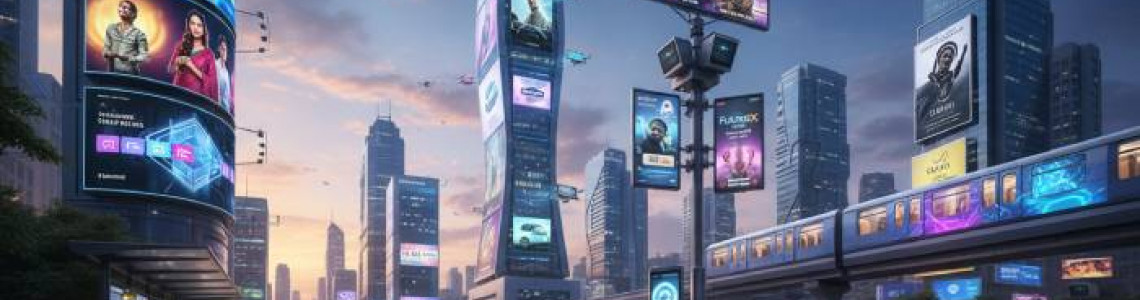
Out-of-Home (OOH) media in India has evolved significantly over the past decade, moving from traditional static billboards to a dynamic ecosystem that includes digital displays, transit advertising, and interactive formats. With India’s urbanization and technological adoption accelerating, OOH media is poised for exponential growth, offering brands unparalleled opportunities to connect with consumers.
Market Growth of OOH Media in India
India’s OOH advertising market has seen consistent growth, fueled by urban expansion, rising consumer spending, and increased mobility. According to industry estimates, the OOH sector in India is projected to grow at a CAGR of 10–12% over the next five years, driven largely by digital adoption and metro infrastructure expansion. Key cities like Mumbai, Delhi, Bengaluru, and Hyderabad are becoming hotspots for premium OOH placements, attracting major retail, FMCG, and tech brands.
The sector’s growth is not just urban-centric; tier-2 and tier-3 cities are emerging as lucrative markets due to rising disposable income and growing retail penetration. Brands are increasingly leveraging hyperlocal campaigns to drive engagement, especially in suburban markets where digital saturation is lower.
Innovations Shaping OOH Media
The future of OOH in India is being defined by innovation. Key trends include:
-
Digital Out-of-Home (DOOH): Digital billboards and screens allow brands to deliver dynamic content and real-time messaging. DOOH also enables programmatic advertising, making campaigns more targeted and measurable.
-
Interactive Campaigns: Augmented reality (AR) and QR-enabled billboards are engaging audiences in immersive experiences, driving both brand recall and social media amplification.
-
Sustainable OOH: Eco-friendly and solar-powered billboards are gaining traction, aligning brands with sustainability initiatives and reducing the carbon footprint of outdoor advertising.
-
Data-Driven OOH: Integration of analytics and AI helps brands understand audience behavior, optimize placements, and measure campaign effectiveness beyond traditional impressions.
Opportunities for Brands
India’s evolving OOH landscape presents multiple opportunities:
-
Local and Hyperlocal Targeting: Brands can leverage location-based campaigns to reach specific audiences, driving footfall for retail and D2C businesses.
-
Integration with Digital Channels: OOH campaigns that sync with social media, mobile, and in-app advertising enhance engagement and create cohesive omnichannel experiences.
-
Brand Storytelling: Large-format OOH offers brands a canvas to tell compelling stories, building long-lasting emotional connections with audiences.
-
Innovative Partnerships: Collaboration with transit authorities, malls, and tech companies opens avenues for unique activations, from smart bus shelters to interactive retail experiences.
Challenges to Consider
While opportunities abound, brands must navigate challenges such as high operational costs for premium OOH locations, regulatory approvals, and content fatigue among urban audiences. Success lies in creativity, contextual relevance, and leveraging technology to engage viewers in meaningful ways.
Conclusion
The future of OOH media in India is bright, marked by rapid growth, technological innovation, and expanding market opportunities. Brands that embrace digital integration, sustainability, and data-driven strategies will gain a competitive edge, making OOH a critical component of India’s advertising ecosystem. As urbanization continues and technology adoption accelerates, OOH media is set to transform from a traditional marketing channel into a dynamic, interactive, and measurable platform for brands of all sizes.
Elyts Advertising and Branding Solutions | www.elyts.in (India) | www.elyts.agency (UAE)
Related Products

Leave a Comment