















The Future of OOH Media | Trends Reshaping Outdoor Advertising
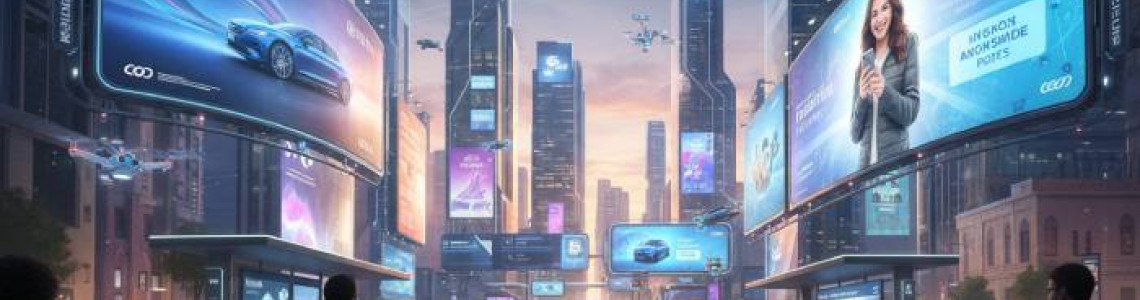
Out-of-Home (OOH) advertising is entering a transformative era. As we move into 2026, the industry is no longer limited to static billboards and transit ads. With rapid technological advancements, data-driven insights, and evolving consumer behavior, OOH media is becoming smarter, more measurable, and deeply integrated with digital ecosystems.
For brands looking to dominate urban landscapes and drive real-world impact, understanding the future of OOH media in 2026 is essential. Let’s explore the key trends reshaping outdoor advertising and how businesses can stay ahead.
1. Digital Out-of-Home (DOOH) Takes Center Stage
The rise of Digital Out-of-Home (DOOH) is redefining traditional billboards. LED screens, 3D anamorphic displays, and programmatic digital boards are becoming standard across major cities.
Cities like New York City, Tokyo, and London are already showcasing high-impact digital displays in premium locations.
What to Expect in 2026:
-
Increased adoption of 3D and immersive creatives
-
Real-time content updates
-
Weather, time, and event-triggered ad customization
-
Higher programmatic buying for DOOH inventory
DOOH allows brands to adjust messaging instantly, making campaigns more relevant and dynamic.
2. Programmatic OOH Becomes the Norm
Programmatic advertising, long dominant in digital marketing, is rapidly expanding into OOH. In 2026, automated buying platforms will allow advertisers to:
-
Target specific audiences by location and time
-
Optimize campaigns based on performance data
-
Integrate OOH with mobile and social ads
This evolution bridges the gap between traditional outdoor media and performance marketing, making OOH measurable and ROI-focused.
3. Data-Driven Targeting and AI Integration
Artificial Intelligence (AI) is revolutionizing outdoor advertising by analyzing traffic patterns, mobility data, and audience behavior.
In 2026, AI-powered OOH will enable:
-
Predictive audience targeting
-
Real-time campaign optimization
-
Hyperlocal ad placements
-
Audience segmentation based on footfall analytics
Brands can now use mobility insights to place ads exactly where their target customers are most active—near malls, transit hubs, or commercial districts.
4. Smart Cities and Connected Infrastructure
As smart city projects expand globally, OOH media is becoming part of connected urban infrastructure. Digital kiosks, smart bus shelters, and interactive panels are blending utility with advertising.
For example, innovation-driven cities like Dubai and Singapore are integrating technology into public spaces, offering brands premium digital touchpoints.
In 2026, we can expect:
-
Touch-enabled information screens
-
QR-based engagement experiences
-
NFC-powered interactions
-
Augmented reality (AR) outdoor campaigns
This transforms passive viewers into active participants.
5. Sustainability and Green OOH Advertising
Sustainability is no longer optional. Environmental responsibility is shaping media planning decisions.
The future of OOH media includes:
-
Solar-powered billboards
-
Energy-efficient LED displays
-
Eco-friendly printing materials
-
Carbon-neutral media buying strategies
Brands are increasingly aligning outdoor campaigns with ESG (Environmental, Social, Governance) goals. Sustainable OOH not only reduces environmental impact but also enhances brand perception.
6. OOH + Mobile = Omnichannel Power
One of the most powerful trends in 2026 is the integration of OOH with mobile and digital channels.
With geofencing technology:
-
Consumers exposed to a billboard can later receive mobile ads
-
Brands can retarget audiences through social media
-
Campaigns can track cross-device engagement
This seamless omnichannel strategy makes OOH a performance-driven channel rather than just a branding tool.
7. Hyperlocal and Community-Centric Campaigns
Consumers increasingly value localized messaging. In 2026, hyperlocal OOH campaigns will dominate regional markets.
Brands are:
-
Customizing creatives for specific neighborhoods
-
Running multilingual campaigns
-
Highlighting local festivals and events
-
Partnering with local influencers
This approach strengthens emotional connections and boosts campaign relevance.
8. Immersive 3D and Experiential Installations
3D anamorphic billboards are becoming viral sensations on social media. These visually striking formats blur the lines between physical and digital advertising.
In 2026:
-
Experiential pop-up installations will increase
-
OOH creatives will be designed for social sharing
-
“Instagrammable” billboards will drive organic reach
Outdoor advertising is no longer just about visibility—it’s about creating moments worth capturing and sharing.
9. Measurability and Performance Tracking
Historically, OOH faced challenges in proving ROI. In 2026, advanced attribution tools are solving this issue.
New capabilities include:
-
Footfall measurement
-
Brand lift studies
-
Mobile location tracking
-
Conversion tracking tied to exposure zones
With measurable performance metrics, OOH is becoming a serious contender in performance-driven marketing strategies.
10. Integration with AI-Generated Creative Optimization
AI-powered tools will help generate multiple creative variations tailored for different times, audiences, and contexts.
For example:
-
Morning commute ads promoting coffee brands
-
Evening creatives for entertainment services
-
Weather-based promotions for fashion or food brands
Dynamic creative optimization will ensure maximum engagement and relevance.
Why OOH Media Will Be Stronger Than Ever in 2026
Despite the rise of digital channels, OOH remains one of the most trusted and unavoidable advertising formats. Unlike online ads that can be skipped or blocked, outdoor ads command attention in the real world.
In 2026, OOH will be:
-
More digital
-
More measurable
-
More sustainable
-
More integrated with omnichannel marketing
For businesses, agencies, and marketers, investing in next-generation OOH media will not just build brand awareness—it will drive measurable growth.
Final Thoughts
The future of OOH media in 2026 is dynamic, intelligent, and deeply integrated with digital ecosystems. As technology reshapes how brands communicate in public spaces, outdoor advertising is evolving into a high-impact, data-driven marketing powerhouse.
Brands that embrace programmatic buying, AI analytics, immersive creatives, and sustainability will lead the outdoor advertising revolution.
Elyts Advertising and Branding Solutions | www.elyts.in (India) | www.elyts.agency (UAE)
Related Products
Leave a Comment