
















The Future of OOH Media in 2026 | Trends Brands Can’t Ignore
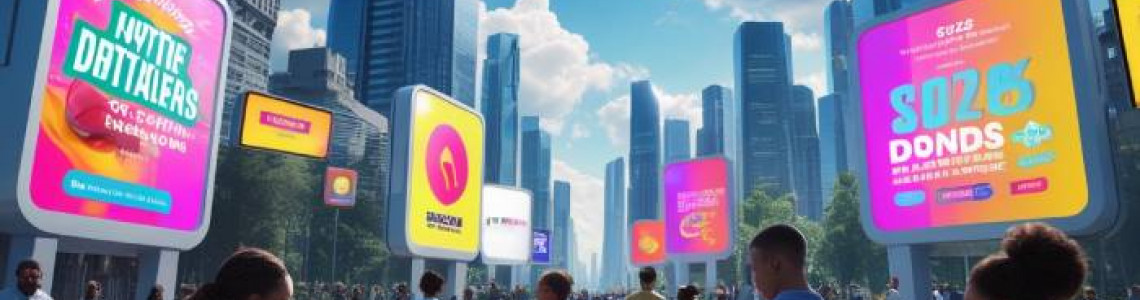
Out-of-Home (OOH) advertising is set for a major transformation in 2026, driven by technology, changing consumer habits, and data-powered innovations. As cities become smarter and brands focus on more immersive ways to connect with audiences, OOH is emerging as one of the fastest-evolving advertising mediums. Here are the key trends shaping the future of OOH media in 2026.
1. Hyper-Digitalization With Advanced DOOH
Digital Out-of-Home (DOOH) will dominate 2026, as screens across malls, highways, transit hubs, and smart city spaces become more intelligent. Programmatic DOOH will allow brands to buy ad space in real time, optimize campaigns instantly, and target audiences with precision—making OOH as dynamic as online ads.
2. AI-Driven Targeting and Personalization
Artificial Intelligence will reshape how brands use OOH. AI tools will analyze traffic flow, weather, demographic clusters, and consumer behavior to place the right ads at the right moment. Dynamic content triggers—like time, temperature, or crowd size—will create more relevant and engaging OOH experiences.
3. AR & VR Integration for Immersive OOH Experiences
2026 will see rapid growth in AR-powered billboards, virtual try-ons, interactive mall screens, and VR-led experiential OOH pop-ups. These immersive formats boost brand recall and make outdoor advertising more engaging, especially for Gen Z and tech-forward audiences.
4. Sustainability Becomes Non-Negotiable
Eco-friendly OOH media—solar-powered billboards, recyclable materials, low-energy LED screens, and green-certified sites—will become standard. Brands will lean toward sustainable formats to meet ESG goals and appeal to environmentally conscious consumers.
5. Measurement & Attribution Reach New Heights
Tools such as mobile location data, AI analytics, QR-based engagement tracking, and cross-platform attribution models will give brands deeper insights into OOH campaign performance. Marketers will finally be able to measure reach, impressions, dwell time, and conversion impact with near-digital accuracy.
6. Integration With Omnichannel Marketing
OOH will no longer be a standalone medium. In 2026, brands will integrate it with social media, influencer marketing, connected TV (CTV), and mobile ads. Interactive formats—like scannable QR codes, NFC, and social-share OOH—will bridge offline and online experiences seamlessly.
7. Rise of Smart Cities and Connected Infrastructure
With the expansion of smart city ecosystems, brands will access new advertising avenues such as IoT-linked bus shelters, data-informed digital signages, intelligent transit screens, and location-aware outdoor networks. These will open up highly context-aware campaign opportunities.
Conclusion
The future of OOH media in 2026 is dynamic, data-driven, immersive, and sustainability-focused. Brands that embrace digital transformation, leverage AI and AR technologies, and integrate OOH into a larger omnichannel strategy will gain a competitive edge. As consumer expectations rise, the brands that innovate will stand out most powerfully in the evolving outdoor landscape.
Elyts Advertising and Branding Solutions | www.elyts.in (India) | www.elyts.agency (UAE)
Related Products


Leave a Comment