














Future of Interactive OOH | Engaging Consumers Beyond Billboards
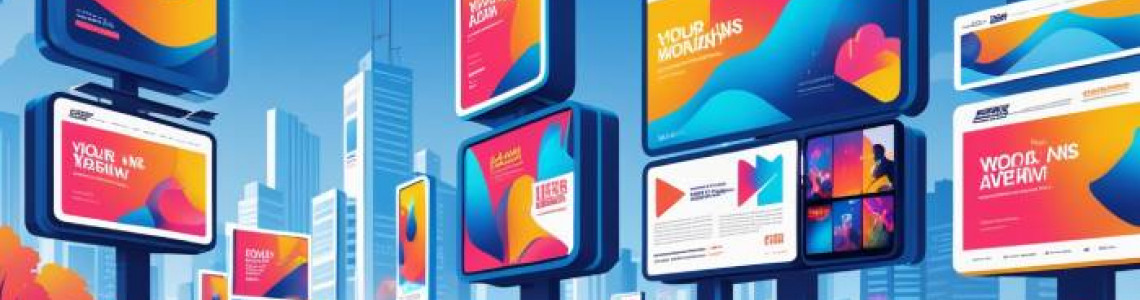
Out-of-Home (OOH) advertising has long been a cornerstone of brand visibility. From towering billboards to transit ads, OOH has consistently captured audience attention in public spaces. However, as technology evolves and consumer expectations shift, the OOH landscape is moving toward interactivity, offering deeper engagement and memorable experiences beyond static displays.
Understanding Interactive OOH
Interactive OOH (iOOH) leverages technology to create two-way communication between brands and consumers. Unlike traditional billboards that passively display messages, iOOH encourages audience participation through touchscreens, mobile integration, augmented reality (AR), and QR codes. This approach transforms ordinary public spaces into dynamic marketing environments, making campaigns more engaging and measurable.
Key Technologies Driving Interactive OOH
-
Touchscreen Kiosks and Digital Panels
Modern OOH displays now feature touch-sensitive interfaces, enabling users to explore products, play branded games, or customize experiences. These interactive panels increase dwell time and create a tangible connection between the consumer and the brand. -
Augmented Reality (AR) Experiences
AR overlays digital content on real-world environments, turning city streets, malls, or transit hubs into immersive experiences. For example, consumers can point their phones at a billboard to unlock 3D animations, product demos, or interactive contests. -
Mobile Integration and QR Codes
Integrating mobile technology allows brands to extend offline interactions online. QR codes on OOH displays can instantly direct users to websites, apps, or exclusive content, creating seamless engagement loops. -
Programmatic OOH
Automation in OOH campaigns enables real-time content updates, targeting specific audiences at optimal times. Combined with interactivity, programmatic OOH ensures relevant, personalized messaging that captures attention more effectively.
Benefits of Interactive OOH for Brands
-
Enhanced Consumer Engagement: Interactive campaigns encourage participation, making advertisements memorable.
-
Real-Time Data Collection: Brands can track user interactions and measure campaign performance accurately.
-
Personalized Experiences: Dynamic content allows for tailored messaging based on audience demographics or behavior.
-
Stronger Brand Recall: Immersive and participatory campaigns increase emotional connection, driving loyalty and recognition.
Trends Shaping the Future of Interactive OOH
-
Gamification: Brands are increasingly incorporating games, challenges, and rewards to captivate audiences.
-
Sustainability Integration: Interactive OOH is being paired with eco-conscious messages, like recycling initiatives or energy-saving campaigns.
-
AI-Driven Personalization: Artificial intelligence analyzes foot traffic, weather, and user behavior to deliver contextually relevant content.
-
Hybrid Experiences: Combining online and offline touchpoints creates a cohesive brand journey, bridging the gap between digital marketing and physical spaces.
Conclusion
The future of OOH is no longer limited to static billboards. Interactive OOH transforms public spaces into engaging, tech-enabled experiences, driving stronger connections with consumers and delivering measurable impact for brands. As technology continues to advance, marketers who embrace interactivity will not only capture attention but also foster meaningful engagement that transcends traditional advertising boundaries.
Elyts Advertising and Branding Solutions | www.elyts.in (India) | www.elyts.agency (UAE)
Related Products


Leave a Comment