
















Fan Generated Content and Its Growing Influence in Sports Media
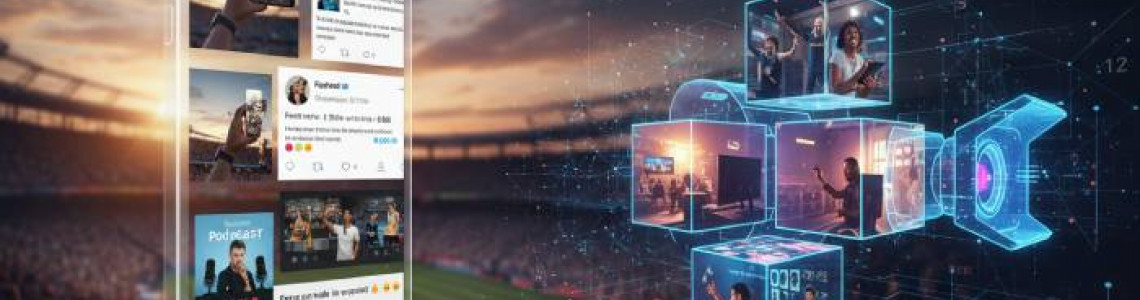
In today’s digital-first world, sports media is no longer controlled solely by broadcasters and journalists. Fans are now active creators, storytellers, and influencers. From viral match reactions to detailed game breakdowns on social platforms, fan-generated content is transforming the sports media ecosystem.
With the rise of platforms like YouTube, Instagram, X, and TikTok, sports audiences are no longer passive viewers. They are contributors, commentators, and even competitors to mainstream sports networks.
This shift is redefining how sports stories are told, consumed, and monetized.
What Is Fan-Generated Content in Sports Media?
Fan-generated content (FGC) refers to any sports-related content created by fans rather than official broadcasters, teams, or leagues. This includes:
-
Match reaction videos
-
Meme culture and highlight edits
-
Tactical breakdowns and analysis
-
Fan podcasts and blogs
-
Live social commentary
-
Player tribute reels
Unlike traditional sports media, which relies on structured editorial workflows, fan-generated content is spontaneous, emotional, and community-driven.
Why Fan-Generated Content Is Growing Rapidly
1. The Power of Social Media Accessibility
Smartphones and affordable internet access have democratized content creation. Anyone can record post-match reactions or create highlight compilations within minutes.
Major events such as the FIFA World Cup or the Indian Premier League generate millions of fan posts, reactions, and short-form videos within hours.
2. Real-Time Engagement Drives Virality
Live-tweeting, Instagram Stories, and short-form reels create instant engagement. Fans often break down controversial moments before sports analysts do.
For example, during high-profile matches featuring stars like Lionel Messi or Virat Kohli, fan-created clips and commentary frequently trend across platforms within minutes.
This immediacy adds authenticity and excitement to sports storytelling.
3. Trust and Relatability
Audiences increasingly trust peer voices over corporate media. Fan creators speak in a relatable tone, reflecting shared emotions—celebration, frustration, excitement, or disappointment.
This emotional authenticity often builds stronger engagement than highly polished studio broadcasts.
The Impact on Traditional Sports Media
Fan-generated content is not replacing traditional sports media—it is reshaping it.
Collaboration Over Competition
Broadcasters now integrate fan tweets, memes, and reactions into live programming. Some sports networks invite fan influencers for panel discussions, recognizing their audience pull.
New Revenue Models
Fan creators monetize through:
-
Brand sponsorships
-
Affiliate marketing
-
Ad revenue on video platforms
-
Subscription-based communities
Meanwhile, leagues and teams leverage user-generated content to boost engagement metrics and attract advertisers.
Influence on Sports Narratives
Trending fan conversations can shape mainstream headlines. A viral fan theory or tactical breakdown may become the next day’s discussion topic on major sports channels.
In this way, sports storytelling has shifted from top-down broadcasting to a two-way conversation.
The Role of OTT and Streaming Platforms
The expansion of streaming services has accelerated fan participation. Platforms allow users to clip, remix, and react to sports moments almost instantly.
Even global sports broadcasters now maintain strong digital communities, encouraging fans to contribute content and opinions in real time.
This hybrid model combines professional production with community-driven engagement.
Challenges of Fan-Generated Content
While influential, fan-generated content presents challenges:
-
Copyright and content rights issues
-
Misinformation and unverified rumors
-
Toxic commentary and online harassment
-
Lack of editorial standards
Sports organizations are now balancing openness with regulation to protect brand integrity while encouraging fan creativity.
The Future of Fan Influence in Sports Media
Looking ahead, fan-generated content will continue to evolve with:
-
AI-powered editing tools
-
Interactive live streams
-
Community voting features
-
Personalized fan channels
As sports media becomes more interactive, the line between creator and consumer will blur further. Fans are no longer just spectators—they are co-creators of the sports narrative.
Conclusion
Fan-generated content has become a powerful force in sports media. It brings authenticity, speed, and emotional depth that traditional media alone cannot provide.
As digital platforms expand and audience participation increases, the sports media landscape will continue shifting toward a fan-first ecosystem—where the loudest, most creative voices often belong to the fans themselves.
Elyts Advertising and Branding Solutions | www.elyts.in (India) | www.elyts.agency (UAE)
Related Products


Leave a Comment