















Experiential Marketing in Malls Blending Mall Media | Digitally
In today’s competitive retail environment, brands must go beyond static advertisements to capture consumer attention. Shoppers are no longer satisfied with passive messaging—they crave engagement, interaction, and memorable experiences. This is where experiential marketing in malls becomes a powerful strategy. By blending mall media with live brand activations, businesses can transform high-footfall retail spaces into immersive brand ecosystems.
From interactive kiosks and pop-up installations to AR-powered displays and influencer meet-and-greets, mall-based experiential campaigns are redefining how brands connect with consumers.
Why Malls Are Ideal for Experiential Marketing
Shopping malls are more than retail hubs—they are lifestyle destinations. With multiplexes, food courts, gaming zones, and events, malls naturally attract diverse audiences across age groups.
Key Advantages of Mall Media:
-
High daily footfall and longer dwell time
-
Access to segmented audiences (families, youth, professionals)
-
Controlled indoor environment
-
Strong purchase intent mindset
Unlike traditional billboards, mall media allows brands to engage consumers at close range—often just moments before a purchase decision.
What Is Experiential Marketing in Malls?
Experiential marketing focuses on creating interactive brand experiences that encourage participation rather than observation. In malls, this can include:
-
Live product demonstrations
-
Gamified brand challenges
-
Interactive LED floors or screens
-
VR/AR experiences
-
Sampling booths
-
Flash mobs or live performances
When combined with strategic mall media placements—such as atrium branding, escalator wraps, digital screens, and standees—brands can create a 360-degree impact.
Blending Mall Media with Live Activations
The real power lies in integration. Instead of treating mall advertising and live activations as separate efforts, smart marketers blend both for amplified visibility.
1. Pre-Engagement Through Static & Digital Media
Digital screens and posters placed across the mall build anticipation before the activation begins. Countdown timers, teaser videos, and QR codes can drive footfall to the activation zone.
2. Central Atrium Activations
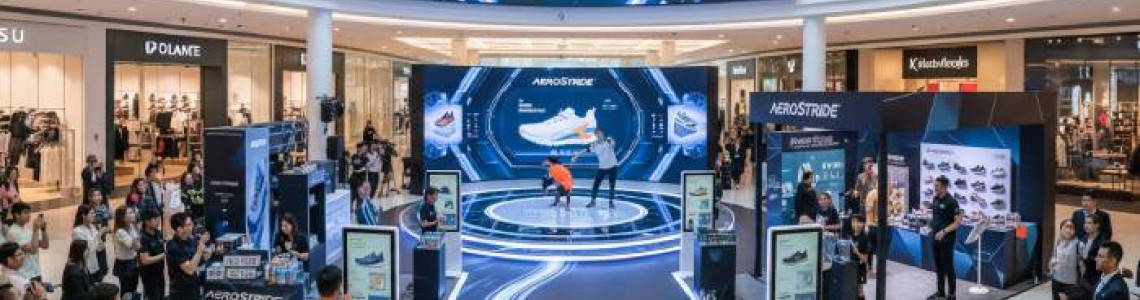
Atriums serve as prime activation spaces. A well-designed installation with LED backdrops and interactive counters naturally draws crowds.
3. Social Media Amplification
Encouraging visitors to share experiences using branded hashtags multiplies reach. Photo booths, instant giveaways, and influencer collaborations enhance digital traction.
4. Data Capture & Lead Generation
Tablet registrations, QR scans, and gamified participation help brands collect consumer insights for retargeting and CRM campaigns.
Industries Winning with Mall Experiential Campaigns
Retail & Fashion
Brands launch seasonal collections with runway shows or styling sessions inside malls.
FMCG
Sampling kiosks and live cooking demos create direct product trials.
Technology
AR and VR demos allow consumers to explore product features hands-on.
Automotive
Compact car displays with interactive screens let shoppers explore models virtually.
Benefits of Experiential Mall Marketing
1. Higher Brand Recall
Interactive experiences create emotional connections, improving memory retention.
2. Increased Footfall & Sales
Engaging activations often drive immediate purchases.
3. Social Media Buzz
User-generated content expands campaign reach beyond mall visitors.
4. Real-Time Feedback
Brands can gather instant consumer reactions and insights.
Best Practices for Successful Mall Activations
-
Strategic Placement: Choose high-traffic areas like entrances and atriums.
-
Clear Objective: Focus on awareness, lead generation, or direct sales.
-
Engaging Design: Use bold visuals and interactive technology.
-
Staff Training: Brand promoters must be knowledgeable and approachable.
-
Measurement Metrics: Track footfall, engagement rate, social mentions, and conversion data.
The Role of Technology in Mall Experiential Marketing
Modern activations are powered by:
-
AI-driven facial recognition for audience insights
-
QR-enabled instant offers
-
Augmented Reality try-ons
-
LED video walls and 3D digital installations
Technology enhances personalization, making experiences more relevant and impactful.
Future Trends in Mall Experiential Marketing
-
Hybrid physical-digital activations
-
Gamified loyalty programs
-
Sustainable, eco-friendly activation setups
-
Data-driven hyperlocal targeting
As consumer expectations evolve, brands must innovate continuously to stay relevant in high-competition retail spaces.
Conclusion
Experiential marketing in malls is no longer optional—it’s a strategic necessity. By blending mall media advertising with live brand activations, businesses can create immersive environments that inspire engagement, generate leads, and drive conversions.
In an era where attention spans are shrinking, experiences speak louder than advertisements. Brands that invest in creative, interactive mall campaigns will not only capture attention—but build lasting customer relationships.
Elyts Advertising and Branding Solutions | www.elyts.in (India) | www.elyts.agency (UAE)
Related Products





Leave a Comment