
















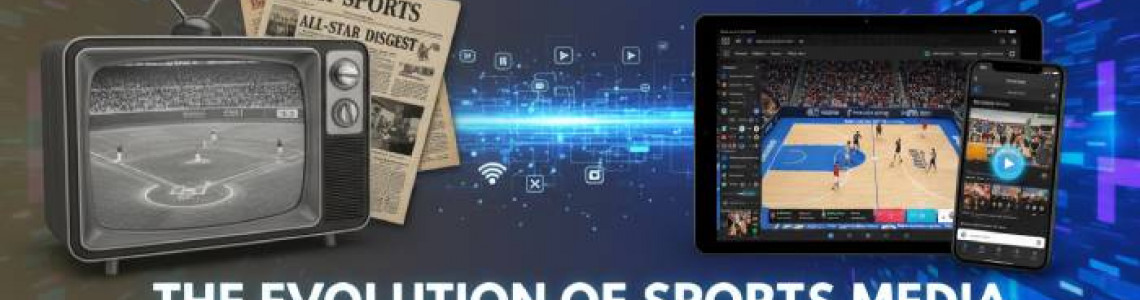
The sports media landscape has undergone a remarkable transformation over the past two decades. What was once dominated by print newspapers, radio commentaries, and scheduled television broadcasts has now evolved into a dynamic, always-on digital ecosystem. In the digital-first era, sports content is no longer limited by time, geography, or platform. Instead, it is driven by technology, data, and fan-centric experiences that reshape how audiences consume, engage with, and monetize sports.
From Traditional Media to Digital Platforms
Historically, sports media relied heavily on traditional channels such as newspapers, magazines, and television networks. Fans waited for the morning paper or prime-time broadcasts to catch up on scores, match analysis, and player interviews. This model offered limited interaction and one-way communication.
The rise of the internet marked the first major shift. Sports websites, online portals, and early streaming services began offering real-time scores, highlights, and commentary. This laid the foundation for a digital-first approach where speed, accessibility, and convenience became essential.
The Rise of OTT and Live Streaming
Over-the-top (OTT) platforms have revolutionized sports media consumption. Today, fans can watch live matches, replays, and exclusive behind-the-scenes content on smartphones, tablets, and smart TVs. Streaming services provide flexible viewing options, personalized recommendations, and multi-language feeds, catering to diverse audiences.
This shift has also changed the economics of sports broadcasting. Digital platforms now compete with traditional broadcasters for media rights, leading to innovative distribution models such as pay-per-view, subscription-based access, and freemium content supported by advertising.
Social Media as a Game Changer
Social media platforms have become central to the sports media ecosystem. Fans no longer just watch sports—they participate in conversations, share opinions, and create content in real time. Short-form videos, live updates, memes, and interactive polls keep audiences engaged even outside match hours.
For leagues, teams, and athletes, social media offers direct access to fans, reducing dependence on traditional media outlets. This direct-to-fan communication has strengthened brand identities and opened new opportunities for sponsorships and influencer-driven marketing.
Data, Analytics, and Personalization
The digital-first era is defined by data-driven decision-making. Sports media companies now use analytics to understand fan behavior, viewing preferences, and engagement patterns. This data enables personalized content delivery, targeted advertising, and improved user experiences.
For advertisers and marketers, this means more precise audience targeting and better return on investment. Personalized highlights, notifications, and recommendations ensure fans receive content that matches their interests, increasing loyalty and time spent on platforms.
Immersive Technologies and Fan Experience
Emerging technologies such as artificial intelligence, augmented reality (AR), and virtual reality (VR) are further transforming sports media. AI-powered tools assist in automated highlights, real-time statistics, and content moderation. AR and VR offer immersive experiences, allowing fans to feel closer to the action through virtual stadium tours and enhanced live viewing features.
Second-screen experiences, fantasy sports, and interactive applications also play a crucial role in keeping fans engaged across multiple touchpoints simultaneously.
Monetization in the Digital-First Era
Monetization strategies in sports media have diversified significantly. Beyond traditional advertising, revenue now comes from subscriptions, branded content, in-app purchases, data partnerships, and e-commerce integrations. Digital platforms allow brands to engage fans through interactive ads, native content, and real-time campaigns aligned with live events.
This shift benefits both publishers and advertisers by creating measurable, performance-driven outcomes rather than relying solely on reach and impressions.
The Road Ahead for Sports Media
As technology continues to evolve, sports media will become even more interactive, personalized, and global. The digital-first era empowers fans with choice and control while challenging media companies to innovate constantly. Success will depend on delivering high-quality content, leveraging data responsibly, and creating seamless experiences across platforms.
Conclusion
The evolution of sports media in the digital-first era reflects broader changes in how audiences consume content. From traditional broadcasts to on-demand streaming, social engagement, and immersive technologies, sports media has become faster, smarter, and more fan-focused. For brands, broadcasters, and rights holders, embracing this digital transformation is no longer optional—it is essential for staying relevant in a highly competitive and connected world.
Elyts Advertising and Branding Solutions | www.elyts.in (India) | www.elyts.agency (UAE)



Leave a Comment