














The Evolution of OOH Media | From Billboards to Smart Displays
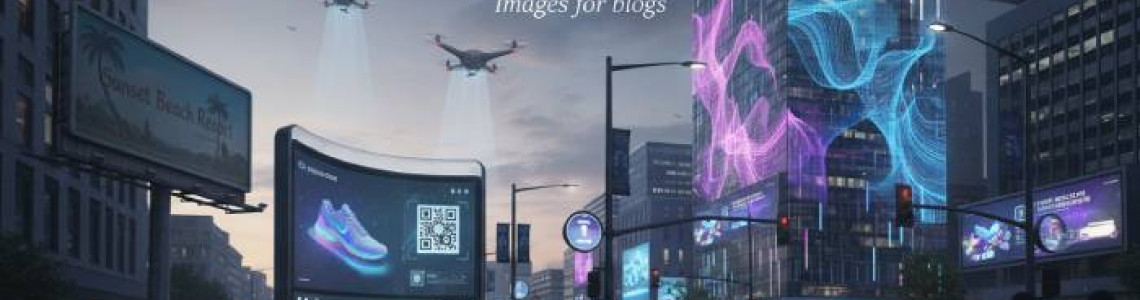
Out-of-Home (OOH) media has always been one of the most powerful advertising channels, offering unmatched visibility and real-world impact. In 2026, OOH media is no longer limited to static billboards and posters. It has evolved into a data-driven, technology-enabled ecosystem featuring smart displays, real-time content, and measurable outcomes. This transformation is reshaping how brands connect with audiences in public spaces.
The Traditional Roots of OOH Advertising
For decades, OOH media relied on fixed formats such as hoardings, bus shelters, wall paintings, and transit advertising. These formats offered mass reach and strong brand recall, especially in high-traffic locations. However, traditional OOH lacked flexibility, real-time updates, and precise performance measurement. Advertisers focused mainly on location and visibility rather than audience behavior or engagement.
The Digital Shift: Rise of DOOH
The introduction of Digital Out-of-Home (DOOH) marked a turning point in the evolution of OOH media. LED screens, digital kiosks, and video walls replaced static creatives with dynamic content. By 2026, DOOH has become mainstream across malls, airports, corporate parks, metro stations, and highways.
Digital displays allow advertisers to run multiple creatives, schedule ads by time of day, and instantly update content. This flexibility enables brands to stay relevant and context-aware, delivering messages that align with audience movement and environmental conditions.
Smart Displays and Programmatic Buying
In 2026, OOH media is increasingly powered by smart display technology and programmatic advertising. Smart displays are integrated with sensors, AI software, and cloud-based content management systems. These technologies enable automated ad placements based on real-time data such as traffic density, weather, events, and audience demographics.
Programmatic DOOH allows advertisers to buy ad slots dynamically, similar to digital advertising. Brands can target specific locations, time frames, and audience profiles, making OOH campaigns more efficient and cost-effective than ever before.
Data-Driven Targeting and Audience Intelligence
One of the biggest advancements in OOH media is the use of data and analytics. In 2026, advertisers rely on anonymized mobile data, footfall analytics, and AI-powered audience insights to plan campaigns. This data helps brands understand who is viewing the ads, how long they are exposed, and how often they encounter the message.
As a result, OOH media is no longer just about visibility—it is about precision. Advertisers can align OOH campaigns with digital, mobile, and social media strategies to create cohesive omnichannel experiences.
Interactive and Immersive Experiences
Modern OOH media goes beyond passive viewing. Smart displays now support interactive features such as QR codes, NFC, touchscreens, and augmented reality. These elements encourage audience participation, turning outdoor ads into engaging brand experiences.
In 2026, immersive OOH campaigns are commonly used for product launches, entertainment promotions, and experiential marketing. These interactive formats not only increase engagement but also drive measurable actions such as app downloads, website visits, and in-store footfall.
Sustainability and Energy Efficiency
Sustainability has become a key focus in the evolution of OOH media. Brands and media owners are adopting energy-efficient LED screens, solar-powered displays, and eco-friendly materials. Smart systems also help reduce energy consumption by adjusting brightness based on ambient light and switching off screens during low-traffic hours.
This shift toward sustainable OOH solutions aligns with global environmental goals and enhances brand reputation among eco-conscious consumers.
Measurable ROI and Performance Tracking
Unlike traditional OOH, modern OOH media in 2026 offers clear performance metrics. Advanced tracking tools measure impressions, dwell time, and audience reach. When integrated with mobile and location-based technologies, OOH campaigns can also track uplift in store visits and conversions.
This ability to measure ROI has made OOH media a more accountable and attractive option for advertisers seeking both brand impact and performance outcomes.
The Future Outlook of OOH Media
The evolution of OOH media from billboards to smart displays reflects a broader shift toward technology-driven advertising. In 2026, OOH is no longer a standalone medium—it is a connected, intelligent, and interactive channel that complements digital marketing strategies.
As AI, 5G connectivity, and smart city infrastructure continue to advance, OOH media will play an even greater role in delivering personalized, timely, and impactful brand messages in the physical world.
Conclusion
The journey of OOH media has transformed it into one of the most innovative advertising channels in 2026. From static billboards to smart, data-enabled displays, OOH now offers flexibility, precision, and measurable results. For brands looking to maximize visibility, engagement, and ROI, modern OOH media is no longer optional—it is essential.
Elyts Advertising and Branding Solutions | www.elyts.in (India) | www.elyts.agency (UAE)
Related Products


Leave a Comment