















Evolution of Mall Media | Static Displays | Digital Experiences
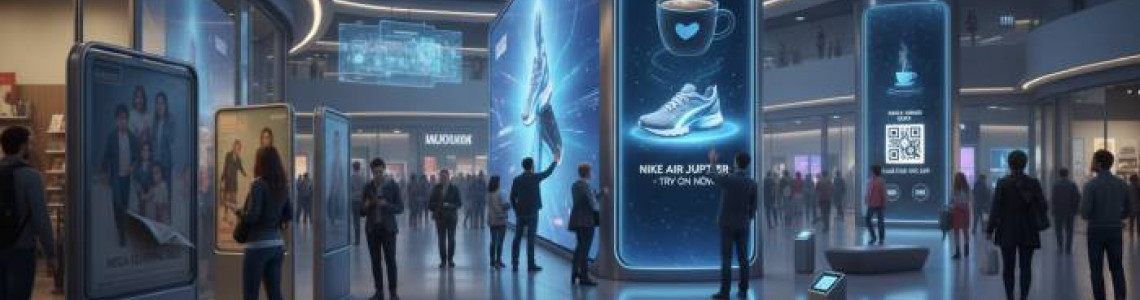
Mall media has undergone a remarkable transformation over the past decade, and by 2026, it has firmly established itself as a dynamic, data-driven, and immersive advertising channel. What was once limited to static posters, banners, and kiosks has evolved into a powerful digital ecosystem that blends technology, creativity, and consumer behavior insights. As shopping malls reinvent themselves as experience-led destinations, mall media is playing a central role in redefining how brands connect with audiences.
The Shift from Static to Digital Mall Media
Traditional mall advertising relied heavily on fixed-format displays such as hoardings, standees, and wall posters. While these formats delivered visibility, they lacked flexibility, real-time updates, and measurable engagement. The rise of digital screens and connected technologies has completely changed this landscape.
In 2026, digital mall media networks feature high-resolution LED screens, video walls, and interactive panels placed strategically across entrances, atriums, food courts, elevators, and parking areas. These digital assets allow brands to update content instantly, run time-based campaigns, and tailor messages to specific audience segments throughout the day.
Data-Driven Targeting and Personalization
One of the most significant evolutions in mall media is the integration of data and analytics. Modern digital mall media platforms leverage footfall analytics, dwell-time measurement, and audience profiling to deliver more relevant advertising experiences.
Using anonymized data from sensors, cameras, and mobile signals, advertisers can understand visitor demographics, peak hours, and movement patterns within the mall. This enables hyper-targeted messaging such as promoting family-focused brands during weekends, luxury products during evening hours, or food and beverage offers during meal times. In 2026, personalization has become a key differentiator for effective mall media campaigns.
Interactive and Immersive Brand Experiences
Mall media is no longer just about exposure; it is about engagement. Interactive digital screens with touch, motion, and QR-code functionality are transforming passive viewers into active participants. Shoppers can explore product catalogs, play brand-led games, participate in contests, or access exclusive offers directly from mall screens.
Augmented reality (AR) and immersive experiences are also gaining traction. Virtual try-ons, 3D product visualizations, and interactive storytelling formats allow brands to create memorable experiences that extend beyond traditional advertising. These innovations help brands build stronger emotional connections with consumers in a high-intent retail environment.
Integration with Omnichannel Marketing
In 2026, mall media is deeply integrated into omnichannel marketing strategies. Digital mall screens often act as triggers for mobile engagement, encouraging shoppers to scan QR codes, visit landing pages, or follow brands on social media. This seamless bridge between physical and digital touchpoints enhances campaign effectiveness and attribution.
Brands can now align mall media with online campaigns, influencer marketing, and social media promotions to create consistent messaging across channels. The result is a cohesive brand journey that follows consumers from the mall floor to their smartphones and beyond.
Programmatic and Real-Time Content Delivery
Programmatic buying has further accelerated the evolution of mall media. Advertisers can now purchase mall media inventory dynamically, selecting specific screens, time slots, and audience profiles in real time. This approach improves efficiency, reduces wastage, and allows brands to respond quickly to trends, events, or changing consumer behavior.
For example, flash sales, movie releases, or seasonal promotions can be pushed instantly across mall networks, ensuring timely and contextually relevant communication. Real-time content optimization has become a defining feature of mall media in 2026.
Sustainability and Smart Infrastructure
As sustainability becomes a priority for both brands and property owners, digital mall media is also evolving to be more eco-friendly. Energy-efficient LED screens, smart power management, and reduced reliance on printed materials contribute to lower environmental impact.
Additionally, mall media systems are increasingly integrated with smart building infrastructure, enabling better control, monitoring, and optimization of advertising assets. This alignment with sustainability goals enhances brand reputation and supports responsible advertising practices.
The Future Outlook for Mall Media
The evolution of mall media in 2026 reflects a broader shift in consumer expectations. Shoppers today seek experiences, convenience, and relevance, and mall media is rising to meet these demands. By combining digital innovation, data intelligence, and creative storytelling, mall media has transformed into a high-impact platform that delivers value for both brands and consumers.
As malls continue to position themselves as lifestyle and entertainment hubs, digital mall media will remain a critical channel for brands looking to influence purchase decisions at the point of experience. The journey from static displays to digital experiences is not just an upgrade in format; it represents a fundamental reimagining of how advertising works in modern retail environments.
Elyts Advertising and Branding Solutions | www.elyts.in (India) | www.elyts.agency (UAE)
Related Products




Leave a Comment