
















The Evolution of Ad Films | Digital First Era | Elyts Branding
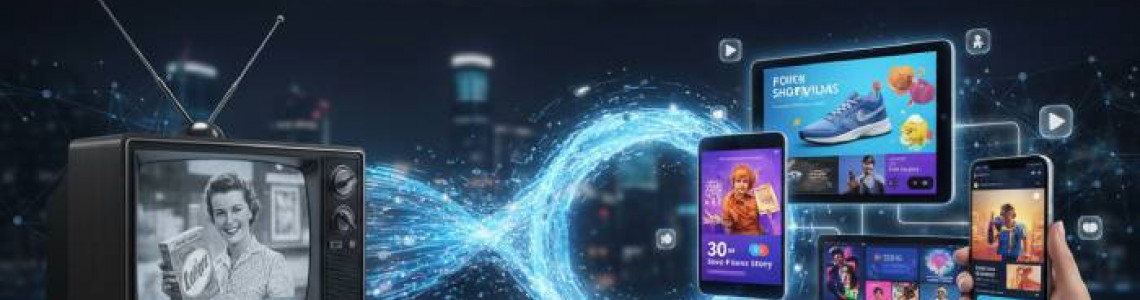
Ad films have undergone a dramatic transformation in the digital-first era. Once dominated by television screens and fixed time slots, ad films today are designed for mobile phones, social platforms, and on-demand consumption. This evolution has reshaped how brands communicate, storytell, and engage with audiences across digital touchpoints.
From Traditional TV Commercials to Digital Storytelling
In the past, ad films followed a linear structure—30 or 60 seconds crafted mainly for TV viewership. The rise of digital platforms such as YouTube, Instagram, OTT platforms, and short-video apps has changed this format entirely. Modern ad films are now:
-
Shorter and more impactful
-
Platform-specific
-
Designed for instant engagement
Digital audiences scroll fast, forcing brands to hook viewers within the first few seconds.
Rise of Mobile-First and Short-Form Ad Films
With mobile devices becoming the primary content consumption tool, ad films have evolved into vertical, snackable formats. Six-second bumper ads, reels, and stories now coexist with long-form branded films. These short formats prioritize:
-
Strong visuals
-
Minimal dialogue
-
Clear brand messaging
This shift ensures maximum visibility and engagement in a mobile-first ecosystem.
Data-Driven Creativity in Ad Films
One of the biggest evolutions in ad films is the use of data and analytics. Brands now rely on audience insights, behavioral data, and A/B testing to refine their storytelling. This approach allows advertisers to:
-
Personalize ad films for different audience segments
-
Optimize creative elements in real time
-
Improve conversion rates and engagement
Creativity is no longer just artistic—it is strategic.
Interactive and Shoppable Ad Films
Digital platforms have enabled interactive ad films where viewers can click, swipe, or shop directly from the video. Features like clickable CTAs, embedded product links, and immersive experiences have turned ad films into performance tools rather than just branding assets.
Influence of AI and Technology
AI-powered tools now assist in scripting, editing, personalization, and even predicting audience response. Technologies such as AR, VR, and CGI are also enhancing visual storytelling, allowing brands to create immersive ad films that stand out in crowded digital feeds.
Conclusion
The evolution of ad films in the digital-first era reflects the changing behavior of modern consumers. Today’s ad films are shorter, smarter, data-driven, and deeply engaging. Brands that adapt to these changes and embrace digital creativity are better positioned to capture attention and build meaningful connections in a competitive digital landscape.
Elyts Advertising and Branding Solutions | www.elyts.in (India) | www.elyts.agency (UAE)
Related Products



Leave a Comment