















E-commerce Digital Marketing Strategies to Increase Online Sales
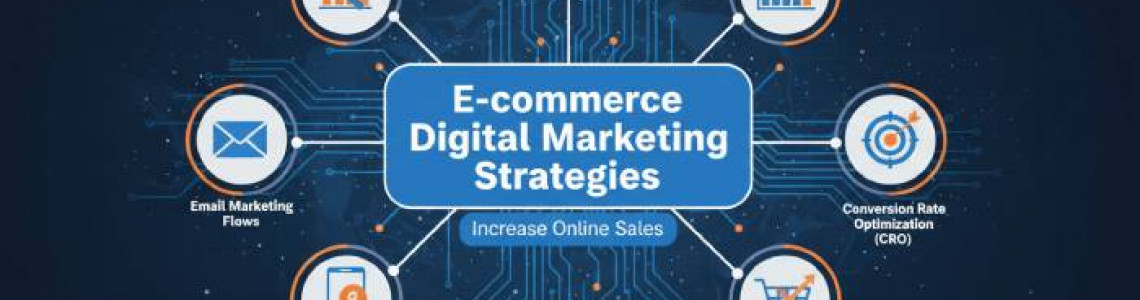
The e-commerce industry is more competitive than ever. With thousands of online stores fighting for customer attention, simply having a website is not enough. To drive consistent traffic, boost conversions, and increase revenue, businesses must implement smart and data-driven digital marketing strategies.
In this guide, we’ll explore the most effective e-commerce digital marketing strategies that help increase online sales and build long-term brand loyalty.
1. Optimize Your Website for Conversions (CRO)
Driving traffic is important—but converting that traffic into paying customers is crucial.
Key CRO Tactics:
-
Improve website speed (slow sites lose customers)
-
Use clear and compelling CTAs (Buy Now, Add to Cart, Limited Offer)
-
Simplify checkout process (reduce cart abandonment)
-
Add trust signals (reviews, ratings, secure payment badges)
-
Optimize for mobile shopping
A seamless user experience directly impacts conversion rates and overall sales performance.
2. Leverage Search Engine Optimization (SEO)
SEO is the foundation of sustainable e-commerce growth. Ranking high on search engines helps you attract high-intent buyers actively searching for products.
Focus on:
-
Keyword research for product and category pages
-
Optimized product descriptions (unique, benefit-driven content)
-
Technical SEO (site structure, XML sitemaps, schema markup)
-
High-quality backlinks
-
Image optimization (alt tags and compressed images)
Organic traffic is cost-effective and brings long-term results.
3. Use Paid Advertising for Faster Results
Paid advertising helps e-commerce brands scale quickly and target specific customer segments.
Popular Paid Channels:
-
Google Shopping Ads
-
Search Ads
-
Social Media Ads (Facebook, Instagram, LinkedIn)
-
Retargeting campaigns
Retargeting ads are especially powerful because they bring back visitors who previously interacted with your website but didn’t complete a purchase.
4. Implement Email Marketing Automation
Email marketing remains one of the highest ROI channels in e-commerce.
Must-Have Email Campaigns:
-
Welcome series
-
Abandoned cart reminders
-
Product recommendations
-
Post-purchase follow-ups
-
Seasonal promotions
Segment your audience based on behavior, purchase history, and preferences to increase personalization and engagement.
5. Use Social Media Marketing Strategically
Social media platforms are powerful for building brand awareness and driving sales.
Effective Tactics:
-
Shoppable posts
-
Influencer collaborations
-
User-generated content
-
Short-form videos and reels
-
Live product demos
Consistency and authentic engagement help build trust and community around your brand.
6. Invest in Content Marketing
Content marketing attracts, educates, and nurtures potential customers.
Content Ideas for E-commerce:
-
Buying guides
-
Comparison articles
-
How-to blogs
-
Product tutorials
-
FAQs
Educational content improves SEO rankings and positions your brand as an industry expert.
7. Optimize for Mobile Commerce
More than half of online purchases happen on mobile devices. If your store is not mobile-friendly, you’re losing sales.
Mobile Optimization Tips:
-
Responsive design
-
Fast loading speed
-
Easy navigation
-
Mobile-friendly checkout
-
One-click payment options
A smooth mobile experience directly impacts revenue growth.
8. Use Data Analytics to Improve Performance
Data-driven decision-making helps optimize campaigns and maximize ROI.
Track Key Metrics:
-
Conversion rate
-
Average order value (AOV)
-
Customer acquisition cost (CAC)
-
Customer lifetime value (CLV)
-
Cart abandonment rate
Use analytics tools to identify what’s working and where improvements are needed.
9. Build Customer Loyalty Programs
Acquiring new customers is more expensive than retaining existing ones.
Loyalty Strategies:
-
Reward points programs
-
Exclusive member discounts
-
Referral bonuses
-
VIP early access sales
Repeat customers increase lifetime value and reduce overall marketing costs.
10. Utilize Influencer & Affiliate Marketing
Influencers and affiliates help expand your reach to new audiences.
Benefits:
-
Increased brand credibility
-
Targeted audience reach
-
Performance-based marketing
-
Higher engagement rates
Micro and nano influencers often generate better engagement compared to larger influencers due to niche trust and authenticity.
11. Offer Personalized Shopping Experiences
Personalization significantly improves conversion rates.
Examples:
-
AI-powered product recommendations
-
Personalized email offers
-
Dynamic website content
-
Behavior-based discounts
Customers are more likely to purchase when they feel understood.
Final Thoughts
E-commerce success is not about using one marketing tactic—it’s about building an integrated digital strategy. Combining SEO, paid ads, email automation, social media, content marketing, and personalization creates a powerful ecosystem that drives traffic, improves conversions, and increases online sales.
Businesses that focus on data-driven decisions, customer experience, and continuous optimization will outperform competitors in today’s dynamic digital marketplace.
Elyts Advertising and Branding Solutions | www.elyts.in (India) | www.elyts.agency (UAE)
Related Products





Leave a Comment