














DOOH | Traditional OOH | Which Delivers Better Brand Recall

As advertising becomes more competitive and attention spans shrink, brand recall has emerged as a critical success metric. In 2026, marketers face a key question: Does Digital Out-of-Home (DOOH) deliver better brand recall than traditional OOH? Understanding the strengths of both formats is essential for smarter media planning.
Understanding Traditional OOH Advertising
Traditional OOH includes:
-
Static billboards
-
Bus shelters
-
Transit posters
-
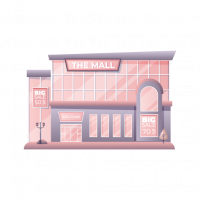
Mall branding
-
Street furniture
Strengths of traditional OOH:
-
Long exposure duration
-
High frequency in daily commutes
-
Strong geographic dominance
-
Cost-effective for long-term visibility
Traditional OOH excels in reinforcing brand familiarity through repeated exposure.
What Makes DOOH Different?
Digital Out-of-Home (DOOH) uses digital screens placed in high-traffic locations such as malls, airports, metros, corporate parks, and highways.
Key advantages of DOOH:
-
Dynamic and animated content
-
Contextual and time-based messaging
-
Programmatic ad delivery
-
Audience targeting and data insights
-
Creative flexibility and rapid updates
DOOH aligns closely with digital-first consumer behavior.
Brand Recall: DOOH vs Traditional OOH
Research and campaign data in 2026 highlight clear differences:
DOOH Brand Recall Strengths
-
Motion and video increase attention
-
Contextual relevance improves memory
-
Short, impactful messaging works well
-
Higher engagement in premium locations
-
Better recall among younger, urban audiences
Traditional OOH Brand Recall Strengths
-
Repetition builds long-term memory
-
Larger formats create strong visual dominance
-
Effective for mass-market brands
-
Works well in highways and residential zones
Which Performs Better in 2026?
In 2026, DOOH generally delivers higher immediate brand recall, especially for:
-
New product launches
-
Urban and tech-savvy audiences
-
Short-term campaigns
-
Integrated digital activations
However, traditional OOH continues to perform strongly for sustained recall, particularly in:
-
Regional markets
-
Long-term brand building
-
High-frequency commuter routes
The choice depends on campaign goals, audience behavior, and creative execution.
The Hybrid Approach: Best of Both Worlds
Top-performing brands in 2026 combine both formats:
-
Traditional OOH for scale and consistency
-
DOOH for engagement and innovation
-
Unified creative messaging
-
Data-driven placement strategy
This hybrid model maximizes recall across multiple consumer touchpoints.
Conclusion
The debate between DOOH and traditional OOH is not about replacement—it’s about optimization. While DOOH leads in dynamic engagement and short-term recall, traditional OOH remains powerful for sustained brand presence. In 2026, the most effective advertising strategies leverage both formats together to create stronger, longer-lasting brand recall.
Elyts Advertising and Branding Solutions | www.elyts.in (India) | www.elyts.agency (UAE)
Related Products
Leave a Comment