














The Role of DOOH in Smart Cities | Connected Urban Spaces | Elyts
-1140x300w.jpg "The Role of DOOH in Smart Cities | Connected Urban Spaces | Elyts")
As cities across the world evolve into smarter, more connected ecosystems, Digital Out-of-Home (DOOH) advertising has emerged as a powerful medium that goes beyond traditional advertising. In smart cities, DOOH plays a strategic role in enhancing urban communication, supporting data-driven decision-making, and creating meaningful interactions between brands, citizens, and city infrastructure.
Understanding DOOH in the Smart City Context
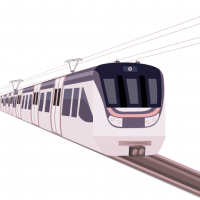
DOOH refers to digital advertising formats displayed in public spaces such as billboards, transit hubs, malls, streets, airports, and smart kiosks. In smart cities, these screens are integrated with IoT devices, sensors, AI systems, and real-time data platforms, making them dynamic, adaptive, and highly contextual.
Unlike static billboards, DOOH screens in connected urban spaces can respond instantly to changes in environment, audience movement, traffic patterns, weather, and events.
Enhancing Urban Communication and Information Sharing
One of the most important roles of DOOH in smart cities is public information dissemination. Smart DOOH networks are used not only for advertising but also for:
Real-time traffic updates and route guidance
Public safety alerts and emergency notifications
Weather warnings and environmental data
City announcements and civic messaging
By blending commercial and public content, DOOH screens become an essential part of urban communication infrastructure.
Data-Driven Advertising in Connected Urban Spaces
Smart cities generate vast amounts of data through connected devices. DOOH leverages this data to deliver highly relevant and timely messages. Using anonymized data such as footfall analytics, mobility trends, and location intelligence, advertisers can:
Display different ads based on time of day or crowd density
Adapt messaging according to local events or festivals
Optimize ad frequency and placement for maximum visibility
This data-driven approach improves campaign effectiveness while ensuring better user experience for urban audiences.
Supporting Sustainable and Efficient Cities
Sustainability is a core pillar of smart cities, and DOOH contributes significantly to this goal. Digital displays reduce the need for paper-based advertising and allow multiple campaigns to run on a single screen, minimizing physical waste.
Additionally, many modern DOOH installations use energy-efficient LED screens, solar-powered units, and smart power management systems, aligning with eco-friendly urban development initiatives.
Improving Citizen Engagement and Urban Experience
Interactive DOOH formats are transforming public spaces into engagement hubs. Touchscreens, QR codes, mobile integrations, and augmented reality features allow citizens to interact with content in real time.
In smart cities, DOOH can enhance the urban experience by:
Providing wayfinding and navigation assistance
Promoting local businesses and cultural events
Encouraging participation in social and civic initiatives
This interactive layer makes cities more inclusive, informative, and user-centric.
Seamless Integration with Smart City Technologies
DOOH acts as a visible interface for smart city technologies. It integrates seamlessly with:
Smart transportation systems
Connected surveillance and safety networks
Urban analytics platforms
5G and cloud-based infrastructure
With programmatic DOOH, city authorities and advertisers can manage, schedule, and optimize content remotely, ensuring agility and scalability across urban environments.
Driving Economic Growth and Brand Innovation
For brands, smart city DOOH offers premium visibility in high-value urban locations. It enables innovative storytelling through motion graphics, real-time personalization, and contextual relevance. For cities, DOOH generates revenue streams that can be reinvested into public infrastructure and digital services.
This creates a win-win ecosystem, where brands gain attention, citizens receive value-driven content, and cities benefit from smarter monetization of public spaces.
The Future of DOOH in Smart Cities
As smart cities continue to expand, the role of DOOH will become even more critical. Future developments will likely include deeper AI integration, predictive content delivery, advanced audience analytics, and stronger collaboration between city planners and media networks.
DOOH will not just be an advertising medium but a core component of connected urban living, shaping how people interact with cities every day.
Conclusion
The role of DOOH in smart cities and connected urban spaces extends far beyond advertising. It enhances communication, supports sustainability, improves citizen engagement, and integrates seamlessly with intelligent urban systems. As cities become smarter, DOOH will continue to evolve as a powerful bridge between technology, brands, and urban communities, redefining the future of public spaces.
Elyts Advertising and Branding Solutions | www.elyts.in (India) | www.elyts.agency (UAE)
Related Products




Leave a Comment