















DOOH in Shopping Malls | The Future of Premium Indoor Advertising
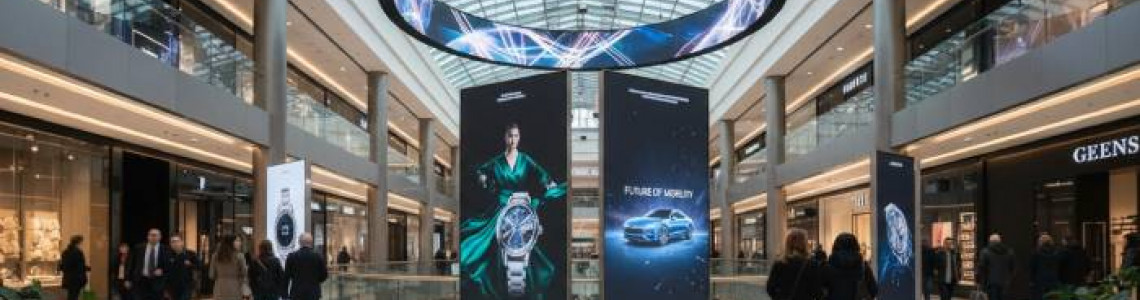
The advertising landscape is evolving rapidly, and Digital Out-of-Home (DOOH) advertising in shopping malls has emerged as one of the most powerful tools for premium brand communication. As malls transform into experience-driven destinations, DOOH is redefining how brands connect with high-intent consumers in indoor environments.
From dynamic LED screens to data-driven content delivery, DOOH in shopping malls offers a blend of technology, creativity, and measurable impact that traditional indoor advertising simply cannot match.
Why Shopping Malls Are Ideal for DOOH Advertising
Shopping malls attract a high-value, decision-ready audience. Unlike outdoor environments, malls provide controlled, high-dwell spaces where consumers are relaxed, attentive, and open to discovery.
Key advantages of mall environments include:
-
Longer dwell time compared to outdoor locations
-
Premium footfall across lifestyle, entertainment, and retail zones
-
Brand-safe, weather-proof advertising spaces
-
Access to affluent, urban, and family audiences
This makes malls a natural fit for high-impact DOOH campaigns.
What Makes DOOH Different from Traditional Mall Advertising
Traditional static posters or backlit displays offer limited engagement. DOOH, on the other hand, delivers motion, context, and real-time relevance.
Core features of DOOH in malls:
-
High-resolution digital screens and video walls
-
Dynamic content scheduling
-
Contextual messaging based on time, events, or footfall
-
Integration with mobile, social media, and QR-based interactions
This shift from static to digital allows brands to tell stories rather than just display messages.
Strategic Placements That Drive Maximum Impact
The effectiveness of DOOH in malls depends heavily on screen placement. Premium locations ensure visibility and engagement at critical consumer touchpoints.
Top-performing DOOH zones include:
-
Mall entrances and atriums
-
Escalator panels and elevator lobbies
-
Food courts and multiplex waiting areas
-
Luxury retail corridors
-
Gaming zones and family entertainment areas
These placements ensure repeated exposure throughout the shopper journey.
Data-Driven and Targeted Advertising
One of the biggest advantages of mall DOOH is data integration. Modern DOOH networks leverage audience analytics to optimize campaign delivery.
Brands can target:
-
Specific time slots (weekends, evenings, festive hours)
-
Demographics based on mall profiles
-
Store-level proximity for retail promotions
-
Event-based traffic surges
This level of targeting transforms DOOH into a performance-oriented premium medium.
Enhancing Shopper Experience Through Interactive DOOH
DOOH is not just about visibility; it enhances the mall experience itself. Interactive formats make advertising engaging and memorable.
Popular interactive DOOH formats include:
-
Touch-enabled screens
-
QR-based offers and coupons
-
Social media integrations
-
Gamified brand experiences
-
Augmented reality (AR) activations
Such experiences increase brand recall, engagement time, and conversion potential.
Why Premium Brands Prefer Mall DOOH
Luxury and premium brands increasingly choose DOOH in malls due to its aesthetic appeal and controlled environment.
Benefits for premium brands:
-
High-quality screen resolution for product storytelling
-
Brand-safe placements aligned with luxury retail
-
Ability to rotate creatives for multiple collections
-
Strong association with lifestyle and aspirational settings
This makes mall DOOH ideal for fashion, beauty, electronics, automobiles, fintech, and luxury real estate brands.
Measuring ROI in Mall DOOH Campaigns
Unlike traditional indoor media, DOOH offers measurable performance metrics.
Key metrics include:
-
Impressions and reach estimates
-
Dwell time analytics
-
Footfall uplift near stores
-
QR scans and digital interactions
-
Sales attribution through omnichannel tracking
These insights help brands optimize campaigns and justify premium spends.
The Future of DOOH in Shopping Malls
The future of mall DOOH lies in AI, automation, and omnichannel integration.
Upcoming trends include:
-
AI-powered content personalization
-
Programmatic DOOH buying
-
Real-time campaign optimization
-
Integration with mobile location data
-
Sustainability-driven digital infrastructure
As malls continue to evolve into experience hubs, DOOH will play a central role in shaping indoor advertising strategies.
Conclusion
DOOH in shopping malls is no longer an experimental medium; it is the future of premium indoor advertising. With its ability to combine technology, creativity, data, and consumer experience, mall DOOH delivers unmatched value for modern brands.
For advertisers looking to engage high-intent audiences in a premium, controlled, and measurable environment, shopping mall DOOH stands as a powerful and future-ready solution.
Elyts Advertising and Branding Solutions | www.elyts.in (India) | www.elyts.agency (UAE)
Related Products





Leave a Comment