














How Digital OOH | Transforming Traditional Billboard Advertising
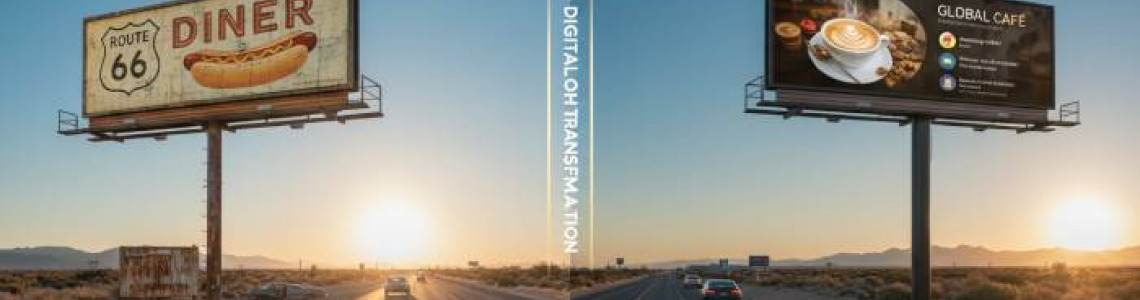
The advertising landscape is evolving at an unprecedented pace. Among the most significant shifts is the transformation of traditional billboard advertising into Digital Out-of-Home (DOOH) media. With dynamic visuals, real-time updates, data-driven targeting, and measurable performance metrics, DOOH is redefining how brands connect with audiences in public spaces.
In this article, we explore how Digital OOH is reshaping traditional billboards, why brands are rapidly adopting this format, and what the future holds for outdoor advertising.
What Is Digital OOH (DOOH)?
Digital Out-of-Home (DOOH) refers to outdoor advertising that uses digital screens instead of static printed billboards. These displays can be found in high-traffic locations such as highways, airports, malls, metro stations, corporate parks, and urban centers.
Unlike traditional billboards, DOOH screens enable:
-
Dynamic content rotation
-
Real-time updates
-
Daypart advertising (ads scheduled by time)
-
Data-driven targeting
-
Interactive and engaging visuals
This shift is turning once-static billboards into powerful digital communication platforms.
From Static to Smart: The Evolution of Billboards
Traditional billboards have long been effective for brand awareness. However, they come with limitations:
-
Fixed creative for weeks or months
-
High printing and installation costs
-
No real-time modification
-
Limited performance tracking
DOOH eliminates these barriers. Advertisers can now update creatives instantly, test multiple messages, and adapt campaigns based on real-time insights. This flexibility makes outdoor advertising more agile and responsive than ever before.
Key Ways DOOH Is Transforming Traditional Billboard Advertising
1. Dynamic and Real-Time Content
One of the biggest advantages of DOOH is its ability to display real-time content. Brands can integrate:
-
Weather-based messaging
-
Traffic updates
-
Live sports scores
-
Countdown timers
-
Location-based offers
For example, a beverage brand can display “Cool Down Today” ads during peak afternoon heat. This contextual relevance significantly improves engagement.
2. Data-Driven Targeting and Programmatic Buying
Modern DOOH platforms leverage data analytics and programmatic technology to deliver smarter campaigns.
With programmatic DOOH, advertisers can:
-
Target specific audience demographics
-
Select high-footfall locations
-
Schedule ads during peak hours
-
Optimize campaigns based on performance
This transforms billboard advertising from a broad awareness tool into a targeted marketing channel.
3. Enhanced Visual Impact
Digital billboards use LED screens, high-resolution displays, and motion graphics to capture attention. Animated visuals and short video formats increase recall compared to static images.
Creative elements such as:
-
3D anamorphic effects
-
Motion graphics
-
Cinematic transitions
Make DOOH campaigns more immersive and memorable.
4. Measurable Performance Metrics
Traditional billboards rely on estimated impressions based on traffic data. DOOH introduces measurable metrics such as:
-
Impressions based on mobility data
-
Audience dwell time
-
Engagement analytics
-
Campaign reporting dashboards
This level of accountability allows marketers to evaluate ROI more accurately.
5. Cost Efficiency and Flexibility
Although digital screens require higher initial infrastructure investment, they reduce long-term costs for advertisers:
-
No printing costs
-
No installation charges per creative change
-
Multiple brands can rotate on one screen
-
Flexible campaign durations
Brands can run short-term campaigns, flash promotions, or time-specific ads without committing to long contracts.
6. Integration with Omnichannel Marketing
DOOH is no longer a standalone medium. It integrates seamlessly with digital marketing strategies, including:
-
Social media amplification
-
QR code interactions
-
Mobile retargeting
-
Geo-fencing campaigns
For example, a user exposed to a DOOH ad can later receive related ads on their smartphone, reinforcing brand recall and driving conversions.
The Role of Creativity in DOOH Advertising
While technology powers DOOH, creativity drives its success. Brands must design content specifically for digital screens, considering:
-
Short attention spans
-
Bold typography
-
Minimal text
-
High-contrast visuals
-
Clear call-to-action
Successful DOOH campaigns combine storytelling with data-driven insights to maximize impact.
Industries Benefiting from DOOH
Several industries are leveraging digital billboard advertising effectively:
-
Retail and e-commerce
-
Real estate
-
Automotive
-
Entertainment and OTT platforms
-
FMCG brands
-
Financial services
These sectors benefit from real-time updates, localized messaging, and dynamic content strategies.
Challenges in DOOH Advertising
Despite its advantages, DOOH comes with challenges:
-
Higher initial infrastructure costs
-
Creative adaptation requirements
-
Dependence on power and digital systems
-
Regulatory compliance in certain cities
However, the long-term advantages far outweigh these hurdles, making DOOH a strategic investment for modern advertisers.
The Future of Digital OOH
The future of DOOH looks promising with advancements in:
-
Artificial Intelligence-driven targeting
-
Augmented Reality integration
-
Interactive touch-enabled displays
-
Real-time audience analytics
-
Sustainability-focused LED technology
As cities become smarter, digital billboards will play a key role in urban communication ecosystems.
Why Brands Should Invest in DOOH Now
Digital OOH is no longer just a trend—it is the future of outdoor advertising. With measurable ROI, contextual messaging, real-time flexibility, and omnichannel integration, DOOH empowers brands to connect with audiences more effectively than traditional billboards ever could.
Businesses that adopt DOOH early gain a competitive advantage in visibility, innovation, and consumer engagement.
Conclusion
Digital OOH is revolutionizing traditional billboard advertising by combining the mass reach of outdoor media with the intelligence of digital marketing. It transforms static spaces into dynamic brand storytelling platforms, offering flexibility, measurable results, and creative freedom.
As technology continues to evolve, DOOH will become an essential pillar of integrated marketing strategies. Brands that embrace this transformation today will lead the outdoor advertising space tomorrow.
Elyts Advertising and Branding Solutions | www.elyts.in (India) | www.elyts.agency (UAE)
Related Products



Leave a Comment