















The Rise of Digital OOH Media | Trends Brands Can’t Ignore
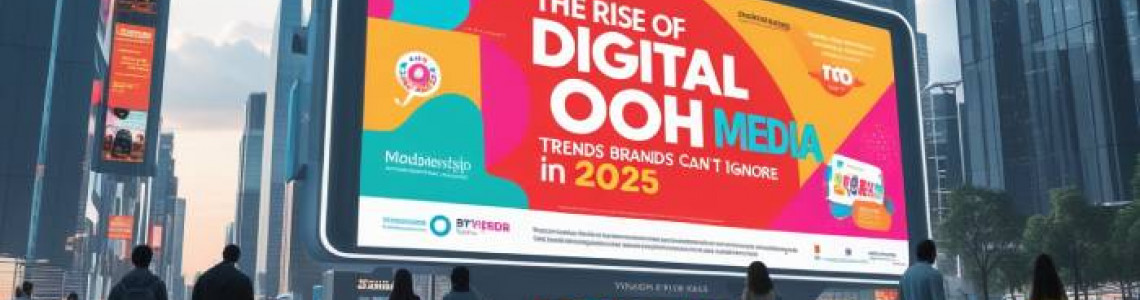
Out-of-Home (OOH) advertising has entered a powerful new era. With the rapid integration of technology, Digital Out-of-Home (DOOH) media is redefining how brands engage audiences in public spaces. In 2025, DOOH is no longer just an extension of traditional billboards—it is a data-driven, interactive, and highly measurable medium that bridges the gap between offline visibility and online engagement.
For brands looking to stay competitive, understanding the latest DOOH trends is not optional—it’s essential.
What Is Digital OOH Media?
Digital OOH media refers to advertising displayed on digital screens in public environments, such as digital billboards, mall screens, metro stations, airports, office lobbies, and roadside LED displays. Unlike static OOH, DOOH enables dynamic content updates, real-time targeting, and seamless integration with digital campaigns.
Key Digital OOH Trends Brands Must Watch in 2025
1. Programmatic DOOH Buying Goes Mainstream
Programmatic advertising is transforming DOOH by allowing brands to buy ad inventory in real time. In 2025, more advertisers are using demand-side platforms (DSPs) to automate placements based on:
-
Time of day
-
Location
-
Audience demographics
-
Weather conditions
-
Traffic patterns
This flexibility ensures better targeting, reduced wastage, and improved ROI, making DOOH as agile as digital media.
2. Data-Driven Targeting and Audience Analytics
Advanced data analytics is powering smarter DOOH campaigns. Brands now leverage mobile data, location intelligence, and footfall analytics to understand who is viewing their ads and when.
This shift allows advertisers to:
-
Measure impressions accurately
-
Optimize creatives based on audience behavior
-
Align DOOH with mobile and social campaigns
In 2025, data-backed DOOH planning is becoming a standard practice rather than a premium feature.
3. Contextual and Dynamic Creative Optimization (DCO)
Static creatives are fading fast. DOOH screens now support dynamic content that adapts in real time. Ads can change based on:
-
Weather (hot drink ads during rain, cold drinks during heatwaves)
-
Live events and festivals
-
Traffic congestion
-
Local news or sports updates
This contextual relevance significantly improves attention and recall, making DOOH more impactful than traditional outdoor formats.
4. Integration with Mobile and Digital Campaigns
One of the strongest advantages of DOOH in 2025 is its ability to connect with smartphones. Through QR codes, NFC, geofencing, and retargeting, brands can move audiences from outdoor exposure to online action.
This omnichannel approach helps brands:
-
Drive app installs
-
Boost website traffic
-
Increase social media engagement
-
Retarget users after DOOH exposure
DOOH is now a key player in full-funnel digital marketing strategies.
5. Rise of Smart Cities and Digital Infrastructure
With smart city initiatives gaining momentum, especially in urban markets, digital screens are becoming part of city infrastructure. Transit hubs, highways, and commercial districts are increasingly equipped with high-resolution LED displays and smart kiosks.
For brands, this means:
-
Premium visibility in high-footfall zones
-
Access to real-time city data
-
Opportunities for hyperlocal targeting
As urban digitization grows, DOOH inventory and reach are expanding rapidly.
6. Sustainability and Energy-Efficient Displays
Sustainability is a major focus in 2025. DOOH operators are investing in energy-efficient screens, solar-powered units, and smart brightness controls to reduce environmental impact.
Brands are also prioritizing partners that align with ESG goals, making eco-friendly DOOH solutions a strong differentiator in media planning.
7. Enhanced Measurement and Attribution Models
One of the biggest challenges of traditional OOH was measurement. In 2025, DOOH offers advanced attribution models that track:
-
Footfall lift
-
Store visit conversions
-
Mobile engagement post-exposure
-
Brand lift metrics
With improved transparency and reporting, DOOH is now competing confidently with digital channels in performance-driven campaigns.
Why Brands Can’t Ignore Digital OOH in 2025
Digital OOH media delivers the perfect blend of mass reach and precision targeting. It combines the impact of physical presence with the intelligence of digital marketing. As consumers spend more time outside their homes—commuting, shopping, and socializing—DOOH ensures brands remain visible in moments that matter.
Final Thoughts
The rise of Digital OOH media in 2025 marks a fundamental shift in outdoor advertising. With programmatic buying, real-time data, dynamic creatives, and measurable outcomes, DOOH has evolved into a future-ready medium.
Brands that embrace these trends early will gain a competitive edge—capturing attention, driving engagement, and maximizing ROI in an increasingly cluttered advertising landscape.
Elyts Advertising and Branding Solutions | www.elyts.in (India) | www.elyts.agency (UAE)
Related Products

Leave a Comment