
















Top Digital Marketing Trends to Watch in 2026 | Elyts Branding
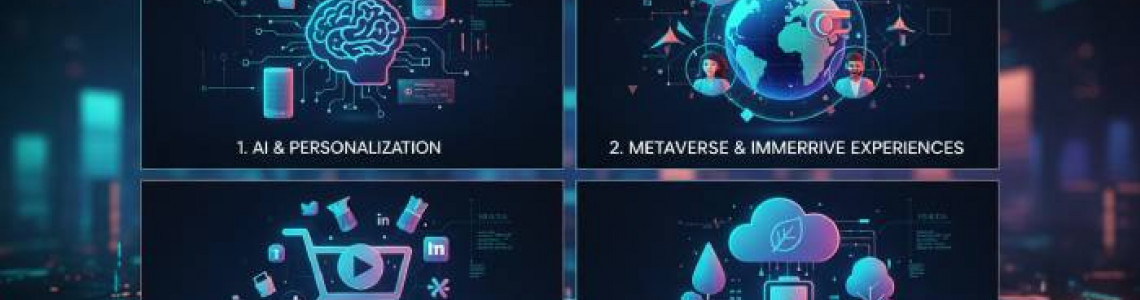
The digital marketing landscape continues to evolve at lightning speed. As businesses adapt to new technologies, consumer behaviors, and platform updates, staying ahead of trends becomes crucial. In 2026, marketers must embrace innovations that enhance engagement, drive conversions, and deliver personalized experiences. Here’s a breakdown of the top digital marketing trends to watch this year.
1. AI-Powered Marketing Becomes Mainstream
Artificial Intelligence (AI) is no longer a futuristic concept; it’s shaping every aspect of digital marketing. From predictive analytics to personalized email campaigns and automated customer interactions, AI enables marketers to understand audience behavior better and optimize campaigns in real-time. Expect AI-driven tools to dominate in areas like content creation, ad targeting, and chatbots, ensuring higher efficiency and ROI.
2. Immersive and Interactive Content
Consumers crave experiences, not just information. Interactive content such as polls, quizzes, AR/VR experiences, and 3D product demos will become essential. Brands leveraging immersive content can create memorable experiences, drive engagement, and stand out in crowded digital spaces.
3. Voice and Visual Search Optimization
With the rise of smart speakers and visual search tools, optimizing for voice and visual search will be a priority. Users now ask complex queries verbally or through images. Businesses optimizing their SEO strategies for voice commands and image recognition technology can capture untapped audiences and improve search visibility.
4. Short-Form Video Dominance
Short-form video content continues to dominate social media, thanks to platforms like TikTok, Instagram Reels, and YouTube Shorts. In 2026, brands that prioritize concise, engaging videos will capture attention faster, increase conversions, and boost brand recall. Creativity and relevance will remain the keys to viral success.
5. Privacy-First Marketing Strategies
Data privacy regulations like GDPR and CCPA are influencing how marketers collect and use customer data. In 2026, privacy-first marketing will be critical. Brands will focus on first-party data collection, contextual advertising, and transparent data practices to maintain trust while delivering personalized experiences.
6. Influencer Marketing Evolution
Influencer marketing continues to evolve beyond celebrity endorsements. Micro and nano-influencers, who offer niche audiences and higher engagement, will become increasingly valuable. Authenticity and relatability will drive influencer partnerships, creating deeper connections with consumers.
7. Social Commerce Expansion
E-commerce integration into social platforms is growing exponentially. Social commerce allows consumers to shop directly from social media posts, livestreams, or stories, making the buying journey seamless. Brands leveraging social commerce can increase sales while creating interactive shopping experiences.
8. Sustainable and Purpose-Driven Marketing
Consumers increasingly support brands aligned with social responsibility and sustainability. Marketing campaigns that highlight eco-friendly initiatives, inclusivity, and corporate social responsibility will resonate more strongly, driving loyalty and positive brand perception.
Conclusion
Digital marketing in 2026 is all about creating smarter, more personalized, and immersive experiences while respecting user privacy. Marketers must embrace AI, interactive content, social commerce, and ethical strategies to stay competitive. By anticipating these trends, brands can not only engage audiences effectively but also position themselves as innovators in a rapidly evolving digital landscape.
Elyts Advertising and Branding Solutions | www.elyts.in (India) | www.elyts.agency (UAE)
Related Products


Leave a Comment