















Digital Mall Media | Driving Brand Engagement and Footfall Growth
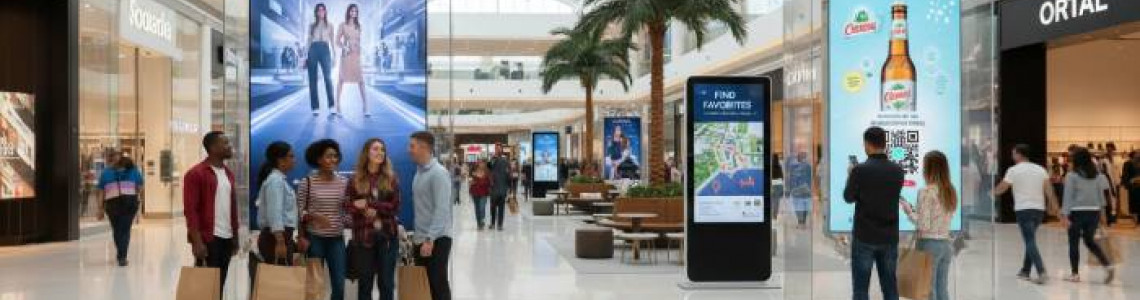
Shopping malls have evolved far beyond being just retail destinations. In today’s experience-driven economy, malls are immersive environments where entertainment, dining, and shopping converge. At the heart of this transformation is Digital Mall Media, a powerful advertising medium that is redefining how brands connect with consumers and drive measurable footfall growth.
The Rise of Digital Mall Media
Digital Mall Media refers to the use of digital screens, interactive kiosks, LED walls, and smart displays placed strategically within malls. Unlike traditional static posters, these digital formats deliver dynamic, real-time, and visually compelling content that captures shopper attention in high-dwell-time environments.
As consumer attention becomes increasingly fragmented across digital platforms, malls offer brands a rare opportunity to engage audiences offline while still leveraging digital intelligence.
Why Digital Mall Media Captures Attention
Malls naturally encourage longer visit durations, making them ideal for impactful brand storytelling. Digital Mall Media enhances this advantage by offering:
High-visibility placements at entrances, atriums, food courts, escalators, and elevators
Motion-led visuals that stand out amid retail clutter
Contextual relevance, aligning ads with shopping, dining, or entertainment moments
These factors make digital mall screens significantly more engaging than conventional outdoor formats.
Driving Brand Engagement Through Interactive Experiences
One of the biggest strengths of Digital Mall Media is interactivity. Brands are no longer limited to one-way communication. Instead, they can create two-way experiences such as:
Touch-enabled product explorers
QR code-based offers and contests
Gamified brand activations
Social media integrations with live feeds
Such experiences encourage active participation, increase dwell time, and build stronger emotional connections with consumers.
Data-Driven Targeting Inside Malls
Modern Digital Mall Media networks are powered by data. Brands can now target audiences based on:
Time of day and day of the week
Shopper demographics and mall footfall patterns
Seasonal trends and festive periods
Proximity to relevant retail categories
This precision ensures that messages reach the right audience at the right moment, significantly improving campaign effectiveness.
Boosting Footfall for Stores and Brands
Digital Mall Media plays a direct role in increasing store visits and overall mall footfall. Promotional campaigns, flash sales, new store launches, and limited-time offers displayed on digital screens influence real-time purchase decisions.
For example, a food brand promoting lunch offers during peak afternoon hours or a fashion retailer highlighting weekend discounts can drive immediate action. This ability to influence consumers close to the point of purchase makes Digital Mall Media a strong footfall driver.
Seamless Omnichannel Integration
Digital Mall Media does not work in isolation. It complements online and mobile marketing strategies by bridging the gap between physical and digital touchpoints. Brands often integrate mall campaigns with:
Mobile retargeting
Social media challenges
Influencer-led mall activations
App-based loyalty programs
This omnichannel approach ensures consistent messaging and amplifies brand recall beyond the mall visit.
Measurable ROI and Performance Tracking
Unlike traditional mall advertising, digital formats offer measurable insights. Brands can track metrics such as:
Impressions and dwell time
Engagement rates on interactive screens
QR scans and offer redemptions
Footfall uplift during campaign periods
These insights help marketers optimize creatives, placements, and schedules for better ROI.
The Future of Digital Mall Media
As malls adopt smart technologies, Digital Mall Media will continue to evolve. AI-powered content personalization, programmatic ad buying, audience analytics, and augmented reality experiences will further enhance engagement levels.
For brands looking to connect with urban, affluent, and purchase-ready consumers, Digital Mall Media is no longer optional. It is a strategic channel that delivers visibility, engagement, and real-world results.
Conclusion
Digital Mall Media is transforming malls into high-impact brand communication hubs. By combining immersive visuals, data-driven targeting, interactivity, and measurable outcomes, it drives deeper brand engagement and tangible footfall growth. As consumer expectations rise, brands that invest in innovative mall media strategies will gain a clear competitive advantage in the retail landscape.
Elyts Advertising and Branding Solutions | www.elyts.in (India) | www.elyts.agency (UAE)
Related Products





Leave a Comment