















Data Driven Mall Media | Measuring ROI and Customer Engagement
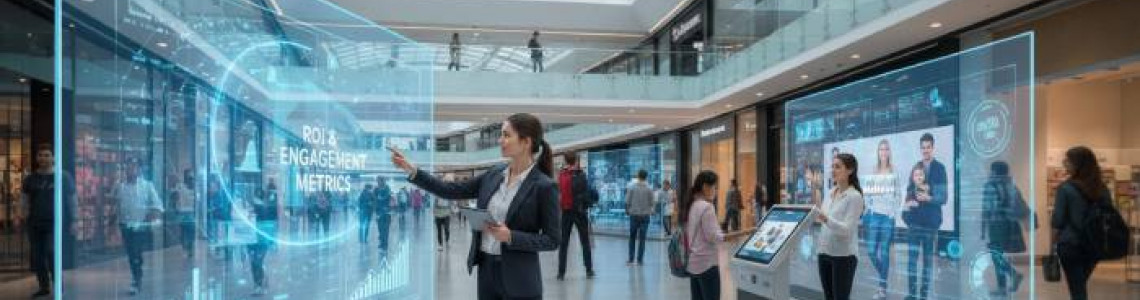
In today’s digitally connected retail environment, mall media has evolved far beyond static posters and hoardings. With the integration of data analytics, digital screens, and smart technologies, data-driven mall media has emerged as a powerful advertising channel that enables brands to accurately measure Return on Investment (ROI) and customer engagement. This transformation is redefining how advertisers evaluate campaign performance inside shopping malls.
What Is Data-Driven Mall Media?
Data-driven mall media refers to the use of digital mall advertising platforms combined with real-time data, analytics, and consumer insights to plan, execute, and optimize campaigns. These campaigns leverage technologies such as:
-
Digital Out-of-Home (DOOH) screens
-
Footfall and dwell-time analytics
-
Mobile location data
-
QR codes and NFC interactions
-
Wi-Fi and Bluetooth tracking
By capturing audience behavior and engagement metrics, brands can make informed decisions and improve campaign effectiveness.
Why Measuring ROI in Mall Media Matters
Traditionally, mall advertising was difficult to quantify, often relying on estimated footfall and visibility. Data-driven mall media solves this challenge by offering measurable performance indicators, allowing brands to:
-
Justify media spends with clear metrics
-
Optimize campaigns in real time
-
Compare mall media ROI with other digital and offline channels
-
Improve targeting and personalization
This shift from assumption-based marketing to performance-based mall advertising has increased advertiser confidence and investment in the channel.
Key Metrics Used to Measure Mall Media ROI
1. Footfall Attribution
Advanced sensors and mobile data help track the number of visitors exposed to an ad and correlate it with store visits. This enables brands to measure incremental footfall driven by mall media campaigns.
2. Dwell Time Analysis
Dwell time indicates how long shoppers stay near a screen or brand zone. Higher dwell time suggests stronger engagement and message retention.
3. Engagement Rate
Engagement is measured through:
-
QR code scans
-
App downloads
-
Contest participation
-
AR or gamified interactions
These actions provide direct proof of consumer interest.
4. Conversion Tracking
By integrating POS data or mobile coupons, brands can track actual sales influenced by mall media exposure, offering a clear picture of ROI.
5. Frequency and Reach
Digital mall networks provide data on how often an ad is displayed and how many unique shoppers it reaches, helping optimize frequency caps and creative rotation.
How Data Improves Customer Engagement in Malls
Personalized Messaging
Using demographic and behavioral data, brands can display contextual ads based on time of day, shopper profile, or mall zone, making messaging more relevant and engaging.
Real-Time Optimization
Live dashboards allow advertisers to modify creatives, offers, or placements based on performance data, ensuring maximum impact throughout the campaign duration.
Omnichannel Integration
Mall media data can be integrated with mobile, social, and CRM platforms, enabling seamless online-to-offline (O2O) engagement and retargeting strategies.
Enhanced Shopper Experience
Data-driven campaigns often include interactive and informative content, improving the overall mall experience while subtly influencing purchase decisions.
Technologies Powering Data-Driven Mall Media
-
AI-powered audience analytics
-
Computer vision for footfall counting
-
Programmatic DOOH platforms
-
Location-based mobile tracking
-
Cloud-based reporting dashboards
These technologies ensure transparency, accuracy, and scalability for both brands and mall operators.
Benefits for Brands and Mall Operators
For Brands:
-
Clear visibility into campaign performance
-
Higher engagement and conversion rates
-
Smarter media planning and budget allocation
For Mall Operators:
-
Increased ad inventory value
-
Better advertiser retention
-
Insights into shopper behavior for mall optimization
The Future of Data-Driven Mall Media in India
With growing digitization, smart malls, and increased adoption of DOOH networks, data-driven mall media in India is set to grow rapidly. As advertisers demand accountability and measurable outcomes, malls that invest in analytics and technology will become preferred advertising destinations.
In the coming years, integration with AI, 5G, and advanced programmatic buying will further enhance ROI measurement and customer engagement in mall media campaigns.
Conclusion
Data-driven mall media has transformed in-mall advertising into a measurable, accountable, and highly engaging medium. By leveraging real-time data and analytics, brands can accurately measure ROI, understand customer behavior, and create impactful campaigns that resonate with shoppers. As retail environments continue to evolve, data-driven mall media will play a central role in shaping the future of offline advertising.
Elyts Advertising and Branding Solutions | www.elyts.in (India) | www.elyts.agency (UAE)
Related Products




Leave a Comment