















Data Driven Mall Media | Footfall Analytics | Smarter Campaigns
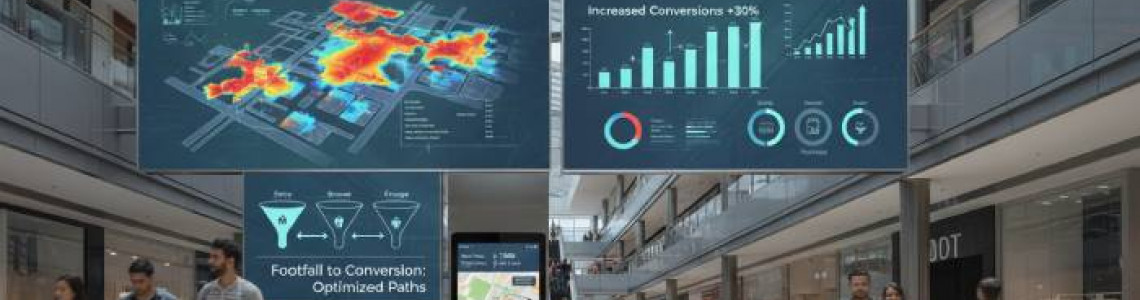
In today’s retail landscape, shopping malls are no longer just spaces for transactions—they are experiences. For brands, this shift offers an unprecedented opportunity to engage consumers at the point of influence. However, the key to maximizing the impact of mall advertising lies in data-driven strategies. By leveraging footfall analytics, marketers can design smarter campaigns that drive engagement, conversions, and ROI.
Understanding Data-Driven Mall Media
Data-driven mall media refers to advertising campaigns guided by real-time insights from mall visitors. Instead of relying solely on traditional metrics like impressions or circulation, brands now use footfall data, dwell time, and demographics to inform campaign planning. This approach allows marketers to target audiences more precisely, optimizing both placement and timing of advertisements.
The Role of Footfall Analytics
Footfall analytics is the cornerstone of data-driven mall media. Using technologies like Wi-Fi tracking, Bluetooth beacons, CCTV analytics, and IoT sensors, malls can capture visitor behavior patterns. Key insights include:
-
Visitor Traffic Patterns: Identifying peak hours, busiest zones, and movement flow to strategically place ads.
-
Demographic Profiling: Understanding the age, gender, and preferences of visitors to create personalized campaigns.
-
Engagement Measurement: Tracking how shoppers interact with digital screens, kiosks, or interactive displays.
-
Conversion Correlation: Linking ad exposure to in-store purchases to measure campaign effectiveness.
These insights empower brands to shift from guesswork to evidence-based marketing, ensuring every ad dollar is invested wisely.
Benefits of Data-Driven Mall Media Campaigns
-
Enhanced Targeting: Brands can reach the right audience at the right time, increasing relevance and recall.
-
Optimized Campaign Placement: Footfall maps guide the placement of digital screens, pop-ups, and experiential setups for maximum visibility.
-
Increased ROI: By focusing on high-traffic zones and peak times, brands can improve conversions and reduce wasted impressions.
-
Real-Time Campaign Adjustment: Continuous monitoring allows brands to tweak creatives or placements based on performance data.
-
Improved Shopper Experience: Personalization and interactivity make campaigns less intrusive and more engaging.
Implementing a Data-Driven Strategy
To implement a successful data-driven mall media campaign, brands should follow these steps:
-
Collect Footfall Data: Collaborate with mall operators to access visitor analytics.
-
Segment Audiences: Analyze behavior to create audience segments for targeted messaging.
-
Design Interactive Content: Use digital screens, AR/VR experiences, or gamified campaigns to capture attention.
-
Optimize Placement and Timing: Position ads in high-footfall zones during peak hours.
-
Monitor and Iterate: Use analytics to continuously assess performance and refine campaigns.
The Future of Mall Advertising
As shopping malls continue to evolve into experiential destinations, data-driven strategies will dominate advertising trends. Integration of AI and machine learning with footfall analytics will allow predictive targeting, helping brands anticipate visitor behavior and deliver hyper-personalized campaigns. In the near future, mall media will no longer be just about visibility—it will be about contextual relevance and measurable impact.
Conclusion
Data-driven mall media transforms traditional in-mall advertising into precision marketing. By leveraging footfall analytics, brands can optimize campaign reach, improve shopper engagement, and maximize ROI. For marketers, the message is clear: those who harness the power of data will shape the future of mall advertising.
Elyts Advertising and Branding Solutions | www.elyts.in (India) | www.elyts.agency (UAE)
Related Products




Leave a Comment