
















Creative | Performance Marketing | Advertising Agencies Balance
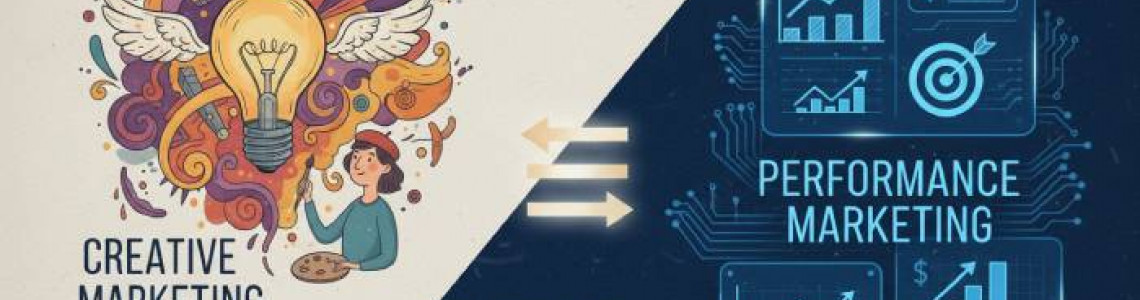
In today’s competitive digital ecosystem, brands can no longer afford to choose between creativity and measurable results. The debate around Creative vs Performance Marketing has evolved — not into a competition, but into a strategic collaboration. Modern advertising agencies are expected to deliver emotionally compelling brand stories while also driving measurable ROI.
So how do agencies successfully balance both?
Let’s explore how creativity fuels performance — and how performance data strengthens creativity.
Understanding Creative Marketing
Creative marketing focuses on brand storytelling, emotional connection, and long-term brand building. It aims to create memorable experiences that resonate with audiences beyond immediate conversions.
Key Characteristics of Creative Marketing:
-
Strong brand identity and visual storytelling
-
Emotional messaging and narrative-driven campaigns
-
High-impact ad films and innovative concepts
-
Focus on awareness, recall, and engagement
-
Long-term brand equity building
Creative campaigns are often seen in:
-
TV commercials
-
Brand films
-
Print advertisements
-
Social media storytelling
-
Outdoor advertising
The goal? To make the audience feel something — and remember the brand.
Understanding Performance Marketing
Performance marketing is data-driven and conversion-focused. Every campaign is designed to generate measurable outcomes such as clicks, leads, downloads, or sales.
Key Characteristics of Performance Marketing:
-
ROI-focused strategies
-
Measurable KPIs (CPC, CPA, ROAS, CTR)
-
A/B testing and optimization
-
Paid search and social ads
-
Retargeting and funnel-based campaigns
Performance marketing channels include:
-
Google Ads
-
Meta (Facebook & Instagram) Ads
-
LinkedIn Ads
-
Programmatic Advertising
-
Affiliate Marketing
The goal? Immediate, trackable business growth.
Creative vs Performance Marketing: The Core Differences
| Creative Marketing | Performance Marketing |
|---|---|
| Focuses on brand building | Focuses on conversions |
| Emotional storytelling | Data-driven targeting |
| Long-term impact | Short-term measurable ROI |
| Broad audience reach | Highly segmented audience |
| Harder to measure directly | Easily measurable metrics |
While they appear different, they are not opposites — they are complementary forces.
Why Agencies Can’t Choose Just One
Relying only on creative marketing may build brand awareness but fail to drive direct revenue. On the other hand, focusing purely on performance marketing may deliver short-term sales but weaken brand identity over time.
Modern consumers interact with brands across multiple touchpoints. They need:
-
A compelling story to trust the brand
-
Relevant offers to take action
-
Consistent messaging across platforms
This is why integrated marketing strategies are now essential.
How Advertising Agencies Balance Creative and Performance
1. Data-Informed Creativity
Today’s top agencies use performance data to guide creative decisions. Instead of guessing what works, they analyze:
-
Audience behavior
-
Engagement patterns
-
Conversion insights
-
Heatmaps and click data
Creative teams then craft messaging that aligns with proven audience interests.
Result: Creativity that converts.
2. Performance-Led Creative Testing
Agencies now design multiple creative variations for the same campaign. Using A/B testing, they evaluate:
-
Headlines
-
Visual formats
-
CTAs
-
Video hooks
The highest-performing creative assets are scaled further.
Result: Continuous optimization with creative innovation.
3. Full-Funnel Strategy
Smart agencies structure campaigns in stages:
-
Top Funnel (Awareness): Creative storytelling campaigns
-
Middle Funnel (Consideration): Educational content, retargeting
-
Bottom Funnel (Conversion): Performance ads with strong CTAs
Creative builds desire. Performance captures demand.
4. Cross-Team Collaboration
In traditional setups, creative and media buying teams worked separately. Today, integration is key.
Successful agencies:
-
Conduct joint brainstorming sessions
-
Share performance reports with creative teams
-
Align KPIs across departments
This ensures storytelling and sales objectives move together.
5. Brand Consistency with Conversion Focus
Even performance ads must reflect the brand’s tone, identity, and values. Agencies ensure:
-
Visual consistency
-
Clear brand voice
-
Cohesive messaging
This builds long-term recognition while driving short-term sales.
The Rise of Creative Performance Marketing
A new hybrid model is emerging: Creative Performance Marketing.
This approach blends:
-
High-quality storytelling
-
Scroll-stopping visuals
-
Data-backed audience targeting
-
Real-time optimization
Platforms like Instagram, YouTube Shorts, and programmatic advertising demand ads that are both visually engaging and conversion-driven.
The best-performing campaigns today are:
-
Emotionally appealing
-
Data-optimized
-
Platform-native
-
Performance-measured
Challenges Agencies Face
Balancing creativity and performance is not always easy.
Common Challenges:
-
Budget allocation conflicts
-
Pressure for immediate ROI
-
Creative fatigue in performance ads
-
Over-reliance on metrics limiting bold ideas
-
Attribution complexities
Agencies that succeed invest in:
-
Strong analytics tools
-
Creative experimentation budgets
-
Continuous skill upgradation
-
Clear client education on long-term branding
The Future: AI-Powered Creative Performance
With AI and automation transforming digital advertising, agencies now leverage:
-
Predictive analytics
-
AI-generated ad variations
-
Automated bidding strategies
-
Real-time creative optimization
AI helps identify patterns — but human creativity still drives emotional connection.
The winning formula?
Human imagination + Data intelligence.
Final Thoughts
The debate between Creative vs Performance Marketing is outdated. The real success lies in strategic integration.
Advertising agencies that master both:
-
Build strong brand identities
-
Deliver measurable growth
-
Create memorable campaigns
-
Maximize return on ad spend
In 2026 and beyond, brands don’t just need beautiful ads — they need ads that perform. And they don’t just need performance metrics — they need meaningful brand stories.
Elyts Advertising and Branding Solutions | www.elyts.in (India) | www.elyts.agency (UAE)
Related Products



Leave a Comment