















Creative Storytelling Through Large Format OOH Media | Elyts
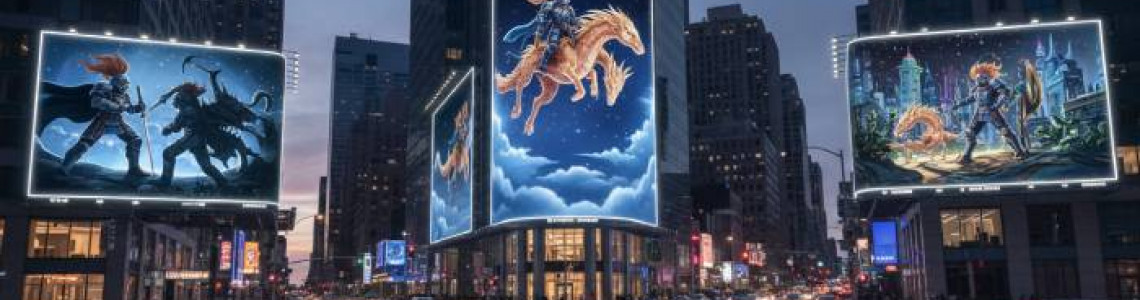
In today’s hyper-connected world, brands face the challenge of breaking through the clutter to capture consumer attention. While digital channels offer precision targeting, large-format out-of-home (OOH) media remains a powerful tool for brands to tell compelling stories on a grand scale. Creative storytelling through OOH media allows brands to engage audiences, create memorable experiences, and amplify their marketing messages in ways that digital alone cannot achieve.
The Power of Large-Format OOH Media
Large-format OOH advertising, such as billboards, building wraps, and digital screens, provides a canvas that is impossible to ignore. Unlike smaller ads that blend into the environment, large-format media commands attention and creates an emotional impact by combining scale, visuals, and narrative. These formats are ideal for storytelling because they allow brands to:
-
Showcase immersive visuals: High-resolution imagery and striking designs captivate passersby, making the story visually engaging.
-
Simplify complex messages: Large-format OOH enables concise, clear storytelling that communicates a brand’s essence quickly.
-
Create brand landmarks: Iconic billboards or building wraps can become cultural touchpoints, leaving a lasting impression.
Crafting Stories That Resonate
Effective storytelling in OOH campaigns relies on understanding the audience, the environment, and the narrative format. Here are key strategies for brands to maximize impact:
-
Leverage the Environment: Large-format OOH works best when the message is contextual. For example, an eco-friendly brand could use a billboard near a park to reinforce sustainability messaging.
-
Use Sequential Storytelling: Multi-location campaigns can tell a story over time, guiding audiences through a narrative as they move across the city.
-
Incorporate Interactive Elements: Digital large-format screens can include QR codes, AR features, or real-time social media feeds, turning passive viewers into active participants.
-
Focus on Emotion and Humor: Emotional storytelling—whether through humor, nostalgia, or inspiration—creates stronger brand recall and encourages sharing.
Case Studies: Brands That Mastered OOH Storytelling
-
Nike: Leveraged building wraps and stadium banners to highlight athlete stories, motivating audiences with a powerful narrative of perseverance.
-
Coca-Cola: Created multi-sensory billboard experiences with dynamic visuals and interactive content, reinforcing its brand values of happiness and connection.
-
Apple: Used minimalistic yet visually striking billboards to narrate product innovations, making the story instantly recognizable and aspirational.
Measuring the Impact
While OOH is often considered a traditional medium, its effectiveness can be measured through modern analytics. Brands track engagement via location-based data, social media buzz, and campaign-specific QR or AR interactions. Large-format storytelling not only builds awareness but also drives measurable engagement when integrated with digital touchpoints.
Conclusion
Creative storytelling through large-format OOH media is more than just advertising—it’s a way for brands to immerse audiences in memorable narratives. By combining scale, design, and emotional messaging, brands can transform everyday urban spaces into storytelling stages that captivate, inspire, and leave a lasting impact. For modern marketers, large-format OOH remains an indispensable tool for building brand presence in a visually noisy world.
Elyts Advertising and Branding Solutions | www.elyts.in (India) | www.elyts.agency (UAE)
Related Products




Leave a Comment