













Creative Strategies | Make OOH Campaigns Go Viral on Social Media
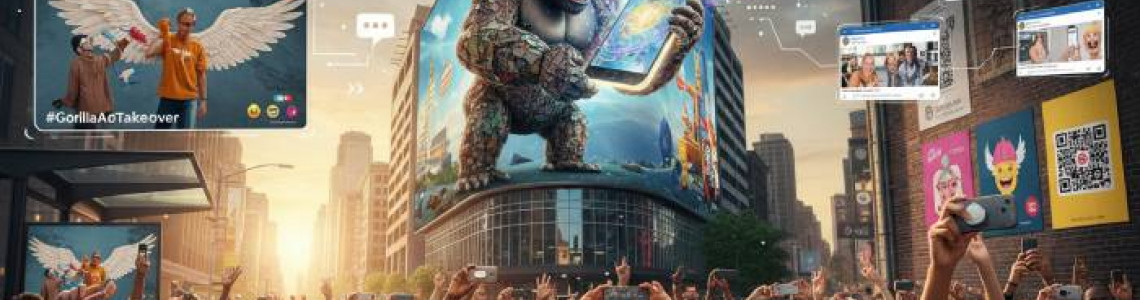
Out-of-Home (OOH) advertising is no longer limited to billboards and transit displays. In today’s digital-first world, the most successful OOH campaigns are designed to live beyond the street and thrive on social media. When creativity meets shareability, OOH transforms into a viral marketing powerhouse that amplifies brand reach organically.
This article explores the creative strategies that help OOH campaigns go viral on social media platforms like Instagram, X (Twitter), LinkedIn, and YouTube.
1. Designing OOH with a “Social-First” Mindset
Viral OOH campaigns are created with the camera lens in mind. Brands now design installations that look visually striking when photographed or filmed vertically for social feeds.
Key elements include:
-
Bold colors and minimal text
-
High-contrast visuals
-
Clear brand placement
-
Strong visual storytelling within seconds
When people stop to click photos, sharing becomes natural.
2. Interactive & Experiential Installations
OOH campaigns that invite participation generate far more social buzz than static displays.
Examples of interactive strategies:
-
Touch-enabled digital screens
-
QR-code driven experiences
-
AR-powered billboards
-
Live polls or reactions
When audiences interact physically, they are more likely to share the experience digitally.
3. Emotional Triggers That Spark Sharing
Emotion is a major driver of virality. OOH campaigns that evoke surprise, humor, nostalgia, or empathy often perform exceptionally well on social platforms.
Campaigns that tell short, powerful stories or address real human insights are more likely to be shared, commented on, and discussed.
4. Real-Time & Contextual Creativity
Timely relevance plays a huge role in virality. OOH campaigns aligned with:
-
Trending topics
-
Local events
-
Cultural moments
-
Sports or entertainment buzz
tend to gain faster social traction. Real-time creativity makes the brand feel current and culturally aware.
5. Influencer & User-Generated Content Integration
Many viral OOH campaigns succeed because brands collaborate with creators or encourage user-generated content (UGC).
Effective approaches include:
-
Inviting influencers to unveil installations
-
Creating hashtag-led campaigns
-
Encouraging audience challenges or reactions
When real people amplify OOH content, authenticity increases and reach multiplies.
6. Blending Physical & Digital Storytelling
OOH campaigns that seamlessly connect offline and online experiences perform better on social media.
This includes:
-
Teaser billboards leading to digital reveals
-
QR codes unlocking exclusive content
-
Social media contests linked to OOH locations
This integrated storytelling keeps audiences engaged across platforms.
7. Unexpected Locations & Formats
OOH becomes instantly shareable when it breaks expectations. Non-traditional placements such as:
-
Building facades
-
Street furniture
-
Public art installations
-
Transit hubs
create visual surprise and encourage spontaneous social sharing.
Conclusion
OOH campaigns go viral on social media when they are designed for participation, emotion, and digital amplification. By blending creativity, technology, and cultural relevance, brands can turn physical advertising into social media moments that travel far beyond their original location.
Elyts Advertising and Branding Solutions | www.elyts.in (India) | www.elyts.agency (UAE)
Related Products




Leave a Comment