














Creative Mall Media Campaigns That Went Viral in 2026 | Digitally
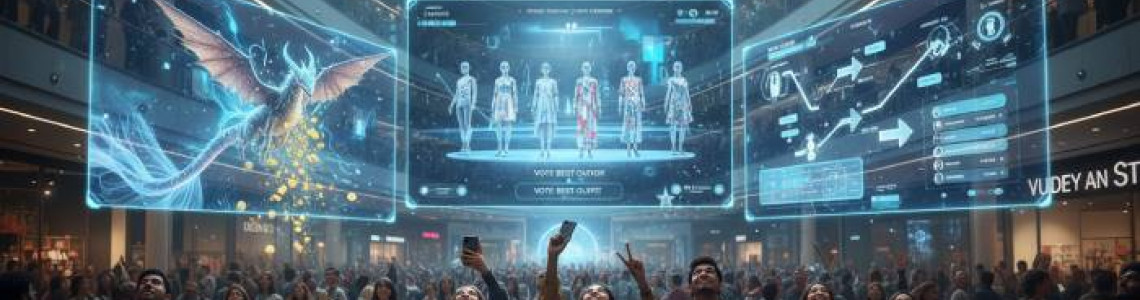
Mall media in 2026 has evolved far beyond static posters and digital screens. Shopping malls have become experience-driven content hubs, where brands combine technology, storytelling, and shopper psychology to create campaigns that don’t just get noticed—but go viral. From immersive AR installations to gamified shopping journeys, creative mall media campaigns are now designed to spark conversations both inside malls and across social media platforms.
In this article, we explore the most creative mall media campaign formats of 2026, why they went viral, and what brands can learn from them to drive engagement, footfall, and brand recall.
Why Mall Media Campaigns Went Viral in 2026
Several key trends contributed to the virality of mall media campaigns this year:
-
Rise of experience-first advertising
-
Seamless integration of offline and online (OMO) marketing
-
Increased use of QR codes, AR, and AI-driven personalization
-
Strong focus on user-generated content (UGC)
-
Social media platforms amplifying offline experiences
Malls offered the perfect environment—high dwell time, diverse audiences, and controlled spaces—for brands to experiment creatively.
1. Augmented Reality Try-On Zones That Broke the Internet
One of the most viral mall media formats in 2026 was AR-powered try-on installations. Shoppers could virtually try fashion outfits, accessories, sneakers, or even makeup using interactive mirrors placed in high-footfall zones.
Why It Went Viral:
-
Shoppers recorded and shared their AR experiences on Instagram Reels and Shorts
-
Instant social sharing buttons encouraged UGC
-
Personalization made every experience unique
These installations blurred the line between retail, entertainment, and content creation, turning shoppers into brand ambassadors.
2. Gamified Mall Trails with Real-Time Rewards
Gamification became a major driver of virality in mall media campaigns. Brands collaborated with mall management to create interactive mall-wide challenges where shoppers scanned QR codes across multiple locations.
Campaign Highlights:
-
Digital treasure hunts
-
Spin-the-wheel screens
-
Point-based challenges redeemable for instant rewards
Why It Worked:
-
Encouraged longer mall visits
-
Created friendly competition among shoppers
-
Generated massive social buzz through leaderboard screenshots
Gamified campaigns transformed malls into playgrounds, making brand interactions memorable and fun.
3. Live Social Media Integration on Digital Screens
In 2026, many viral mall media campaigns featured real-time social media feeds displayed on large-format digital screens.
Shoppers who posted photos or videos using a branded hashtag could see their content instantly appear on mall screens.
Viral Factors:
-
Instant gratification
-
Public recognition
-
Fear of missing out (FOMO)
This tactic significantly boosted hashtag usage and organic reach while strengthening the emotional connection between brands and consumers.
4. Hyperlocal & Regional Language Storytelling Campaigns
Brands that embraced regional languages and cultural storytelling saw exceptional engagement in Indian malls.
From Kannada, Tamil, Telugu, and Marathi creatives to hyperlocal humor and festivals, regional relevance made campaigns feel authentic and relatable.
Why These Campaigns Went Viral:
-
Emotional resonance with local audiences
-
High shareability within regional communities
-
Strong word-of-mouth impact
Mall media in 2026 proved that local storytelling beats generic messaging, especially in diverse markets like India.
5. AI-Powered Personalized Digital Screens
AI-driven DOOH screens were another viral hit. These screens adapted content in real time based on:
-
Time of day
-
Audience demographics
-
Shopping behavior patterns
For example, fashion ads changed based on age groups, while food brands showcased offers during peak hunger hours.
Why It Stood Out:
-
Highly relevant messaging
-
Better attention retention
-
Increased conversion rates
Personalization made shoppers feel the brand was speaking directly to them, increasing engagement and recall.
6. Experiential Installations Designed for Reels & Shorts
Some of the most viral mall media campaigns weren’t ads—they were Instagrammable experiences.
Brands created:
-
Themed photo zones
-
Motion-triggered LED walls
-
Optical illusion floors
-
Interactive sound-and-light tunnels
These experiences were designed specifically for short-form video content, ensuring organic amplification across social platforms.
7. Sustainability-Driven Interactive Campaigns
Sustainability-focused mall media campaigns gained massive traction in 2026. Brands used interactive screens to:
-
Show carbon footprint savings
-
Gamify recycling actions
-
Reward eco-friendly behavior
Shoppers loved participating in purpose-driven campaigns that aligned with their values—making these initiatives highly shareable and discussion-worthy.
Key Lessons from Viral Mall Media Campaigns in 2026
Brands looking to replicate this success should focus on:
-
Experience over exposure
-
Designing campaigns that encourage participation
-
Seamless integration of digital + physical
-
Content that’s built for social sharing
-
Localization and cultural relevance
Mall media is no longer about visibility—it’s about creating moments worth sharing.
Conclusion
The most creative mall media campaigns of 2026 proved one thing clearly: virality is engineered, not accidental. By combining technology, creativity, and human insight, brands turned malls into high-impact storytelling platforms.
As malls continue to evolve into experiential destinations, creative mall media will remain one of the most powerful tools for driving engagement, footfall, and brand love—both offline and online.
Elyts Advertising and Branding Solutions | www.elyts.in (India) | www.elyts.agency (UAE)
Related Products

Leave a Comment