















Creative Best Practices | High Impact OOH Media Campaigns | Elyts
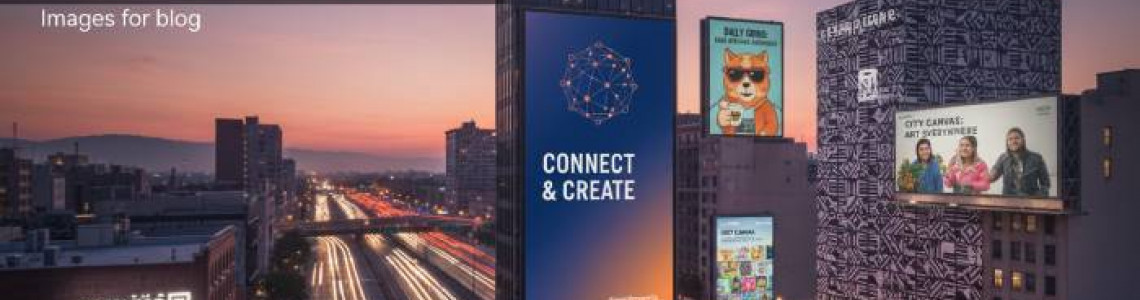
Out-of-Home (OOH) media remains one of the most powerful advertising channels for building brand visibility in the physical world. From billboards and transit ads to digital screens and street furniture, OOH reaches audiences where they live, work, and travel. However, in an increasingly cluttered media environment, success depends not just on placement, but on creative excellence. Below are proven creative best practices to design high-impact OOH media campaigns that capture attention and drive results.
1. Keep the Message Simple and Instantly Clear
OOH audiences are usually on the move. Whether they are driving, commuting, or walking, they have only a few seconds to absorb your message. Simplicity is key.
Best practice tips:
-
Focus on one core message or idea
-
Limit text to 6–8 impactful words
-
Use bold, legible fonts with high contrast
A clear and concise message ensures instant comprehension and better recall.
2. Design for Distance and Speed
Unlike digital ads viewed up close, OOH creatives must be readable from a distance and at speed. Design choices should support quick visual recognition.
Best practice tips:
-
Use large visuals and oversized typography
-
Avoid cluttered layouts
-
Ensure logos and brand elements are prominent
Designing with scale in mind helps your message stand out in busy urban environments.
3. Use Strong Visual Storytelling
Compelling visuals communicate faster than words. High-quality imagery, illustrations, or symbols can instantly convey emotion and brand personality.
Best practice tips:
-
Choose one dominant visual as the focal point
-
Use colors that contrast with the surrounding environment
-
Maintain visual consistency with brand identity
A powerful visual can make your OOH ad memorable even without extensive copy.
4. Leverage Context and Location
One of OOH media’s greatest strengths is its connection to physical locations. Context-aware creatives resonate more strongly with audiences.
Best practice tips:
-
Customize messaging based on city, neighborhood, or environment
-
Align creatives with local culture, language, or events
-
Use directional or situational copy relevant to the location
Contextual relevance increases engagement and makes the brand feel more relatable.
5. Embrace Digital and Interactive Formats
With the rise of Digital Out-of-Home (DOOH), brands can go beyond static creatives to deliver dynamic and interactive experiences.
Best practice tips:
-
Use motion graphics to attract attention
-
Integrate real-time data such as weather, time, or traffic
-
Add QR codes or NFC for mobile interaction
Interactive DOOH campaigns bridge the gap between physical and digital touchpoints.
6. Focus on Emotional Impact
Emotion drives memory and action. High-impact OOH campaigns often evoke curiosity, humor, inspiration, or empathy.
Best practice tips:
-
Use relatable human insights
-
Apply humor or surprise where appropriate
-
Tell a story that aligns with brand values
Emotionally driven creatives are more likely to be remembered and shared.
7. Maintain Strong Branding Without Overpowering
Brand presence is essential, but it should not overwhelm the creative idea. Balance is crucial.
Best practice tips:
-
Place logos where they are visible but not intrusive
-
Use brand colors and typography consistently
-
Let the idea lead, with branding as reinforcement
Clear branding ensures recognition while allowing the message to shine.
8. Design for Omnichannel Amplification
Modern OOH campaigns rarely exist in isolation. The best creatives are designed to work seamlessly across multiple channels.
Best practice tips:
-
Create visuals that are shareable on social media
-
Align OOH messaging with digital, mobile, and experiential campaigns
-
Encourage user-generated content through hashtags or prompts
OOH that integrates with digital channels amplifies reach and impact.
9. Test, Optimize, and Measure Performance
Creative effectiveness improves with insights and data. Even OOH campaigns can be optimized.
Best practice tips:
-
Test multiple creative variations where possible
-
Use mobile data, footfall analytics, or brand lift studies
-
Refine creatives based on audience response and performance metrics
Data-driven creativity leads to stronger ROI and campaign success.
Conclusion
High-impact OOH media campaigns are built on simplicity, strong visuals, contextual relevance, and emotional connection. By designing with real-world behavior in mind and embracing innovation through DOOH and omnichannel integration, brands can cut through the noise and create lasting impressions. When creativity meets strategic execution, OOH media becomes a powerful driver of brand awareness, recall, and engagement.
Elyts Advertising and Branding Solutions | www.elyts.in (India) | www.elyts.agency (UAE)
Related Products




Leave a Comment