















Concept to Screen | Creative Ad Production | Digital Marketing
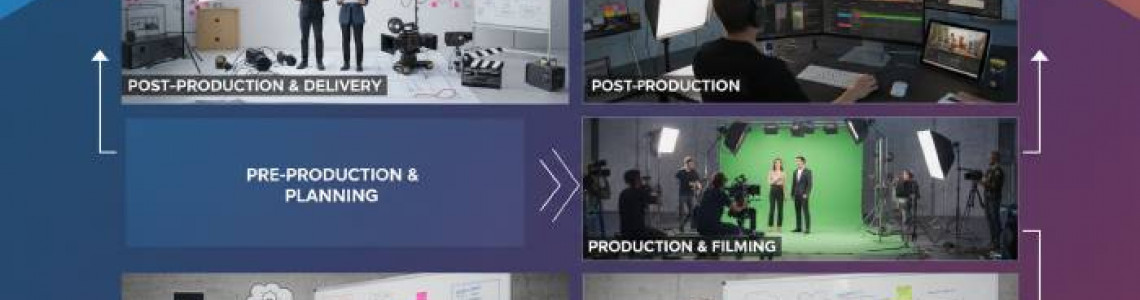
In today’s competitive market, grabbing audience attention requires more than just a catchy slogan—it demands visually compelling and creatively executed advertising. From conceptualizing ideas to the final screen-ready ad, the creative ad production process is a meticulously organized journey. Here’s a comprehensive step-by-step guide to understand how impactful ads are made.
1. Idea Generation and Concept Development
Every ad begins with an idea. This stage involves brainstorming sessions, market research, and creative thinking to identify a concept that aligns with the brand’s objectives. Agencies and creative teams focus on:
-
Understanding the target audience
-
Identifying unique selling propositions (USPs)
-
Crafting the central message and emotional appeal
The outcome is a creative brief—a document outlining the campaign’s goals, tone, key messages, and delivery platforms.
2. Scriptwriting and Storyboarding
Once the concept is finalized, it’s translated into a script. A strong script:
-
Defines dialogue, narration, and voiceovers
-
Determines the tone, pacing, and style
-
Highlights key visual cues
Simultaneously, storyboards are created to visualize the script frame by frame. This serves as a blueprint for directors, cinematographers, and animators, ensuring everyone is aligned on the visual narrative.
3. Pre-Production Planning
Pre-production is the organizational backbone of any ad film. Key tasks include:
-
Casting actors and selecting locations
-
Hiring the production crew and securing equipment
-
Preparing schedules, call sheets, and shot lists
-
Planning costumes, props, and set designs
Efficient pre-production minimizes errors and keeps the project on schedule and budget.
4. Production: Shooting the Ad
This is where the concept comes alive. During production:
-
Directors and cinematographers capture footage based on the storyboard
-
Lighting, camera angles, and sound are carefully managed to create the desired mood
-
Actors perform, and scenes are recorded multiple times to ensure quality
Collaboration is key; production requires seamless coordination between creative and technical teams.
5. Post-Production: Editing and Effects
After shooting, the raw footage enters post-production. This stage includes:
-
Video editing to arrange scenes logically and rhythmically
-
Adding visual effects, graphics, and animations
-
Color grading to enhance the visual appeal
-
Sound design, background music, and voiceover integration
Post-production transforms raw footage into a polished, captivating ad ready for distribution.
6. Review, Feedback, and Revisions
Before release, ads undergo multiple rounds of review:
-
Internal team reviews to ensure brand consistency
-
Client feedback and approvals
-
Revisions to refine visuals, sound, or narrative
This ensures the ad meets creative and strategic expectations.
7. Distribution and Launch
The final ad is then delivered across selected channels, which may include:
-
Television and cinema
-
Social media platforms like Instagram, YouTube, and TikTok
-
Digital display and streaming platforms
Monitoring performance metrics post-launch helps understand audience engagement and ROI.
8. Performance Analysis and Learning
The production cycle doesn’t end at launch. Agencies analyze:
-
Audience response and engagement metrics
-
Conversion rates and brand recall
-
Insights for improving future campaigns
Learning from each campaign helps in refining processes and producing even more effective ads.
Conclusion
Creative ad production is a detailed journey from a simple idea to a screen-ready ad that resonates with audiences. By following this step-by-step guide, brands and agencies can ensure their campaigns are not only visually compelling but strategically effective. Whether you’re a marketer, creative professional, or agency, understanding each stage of production is essential for delivering ads that truly make an impact.
Elyts Advertising and Branding Solutions | www.elyts.in (India) | www.elyts.agency (UAE)
Related Products





Leave a Comment