
















Augmented and Virtual Reality | Sports Media Experiences | Elyts
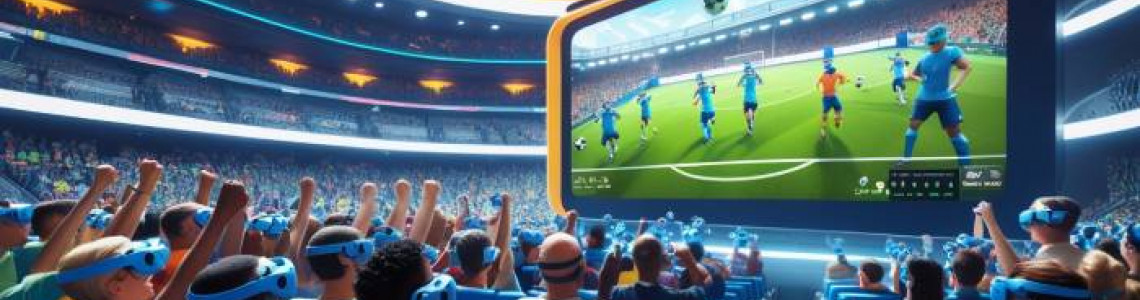
The sports media industry is undergoing a powerful digital transformation, and at the heart of this evolution are Augmented Reality (AR) and Virtual Reality (VR). These immersive technologies are redefining how fans watch, interact with, and emotionally connect with sports content. From real-time data overlays to fully immersive virtual stadiums, AR and VR are shaping the future of sports media experiences for broadcasters, brands, and audiences alike.
Understanding AR and VR in Sports Media
Augmented Reality (AR) enhances real-world sports broadcasts by overlaying digital elements such as player statistics, live graphics, and tactical insights onto the screen. Virtual Reality (VR), on the other hand, transports viewers into a fully simulated environment, allowing them to experience sporting events as if they were physically present in the stadium.
Together, AR and VR bridge the gap between live sports and digital interaction, offering fans a richer and more personalized viewing experience.
Enhancing Live Sports Broadcasting
One of the most impactful roles of AR in sports media is improving live broadcasts. Broadcasters use AR to display real-time player performance metrics, ball tracking visuals, offside lines, and interactive scoreboards. These enhancements help viewers better understand the game while keeping broadcasts visually engaging.
VR takes this experience further by enabling 360-degree live streaming, allowing fans to choose their viewing angles and feel immersed in the action. This is especially valuable for global audiences who cannot attend matches in person.
Creating Immersive Fan Engagement
AR and VR are transforming passive viewers into active participants. With VR headsets, fans can enjoy virtual front-row seats, explore locker rooms, or relive iconic sports moments. AR-powered mobile apps allow fans to scan merchandise, posters, or tickets to unlock exclusive content such as player interviews or match highlights.
These immersive experiences deepen fan engagement and increase the time spent interacting with sports media platforms.
Revolutionizing Sports Advertising and Sponsorships
For brands, AR and VR open new creative avenues for advertising. AR-enabled ads can appear during live matches, blending seamlessly with the broadcast environment. Fans can interact with virtual billboards, branded filters, or 3D product displays without disrupting the viewing experience.
VR sponsorships offer even greater impact by placing brands directly inside virtual stadiums or fan zones. This level of immersion leads to higher recall, stronger emotional connections, and improved return on investment for advertisers.
Improving Sports Analysis and Storytelling
Sports media storytelling has become more data-driven, and AR plays a crucial role in visualizing complex analytics. Analysts can break down plays using 3D player models, heat maps, and tactical simulations, making expert insights easier to understand for audiences.
VR also enables immersive storytelling by recreating historic matches or offering behind-the-scenes access, allowing fans to experience sports narratives in a more compelling way.
Expanding Access and Inclusivity
AR and VR technologies help make sports more accessible. Fans with physical limitations or geographical barriers can attend matches virtually. Features such as customizable camera angles, audio descriptions, and interactive interfaces enhance inclusivity and personalization, ensuring a broader audience can enjoy sports content.
Challenges and Future Outlook
Despite their potential, AR and VR face challenges such as high production costs, hardware accessibility, and bandwidth requirements. However, as technology becomes more affordable and 5G networks expand, adoption is expected to grow rapidly.
In the future, sports media experiences will likely include mixed reality broadcasts, AI-powered personalization, and deeper fan interactivity, making AR and VR integral to mainstream sports consumption.
Conclusion
Augmented and Virtual Reality are no longer experimental technologies in sports media—they are essential tools reshaping how fans experience sports. By enhancing live broadcasts, boosting fan engagement, transforming advertising, and improving storytelling, AR and VR are creating more immersive, interactive, and memorable sports media experiences. As adoption accelerates, these technologies will play a defining role in the future of sports entertainment and media innovation.
Elyts Advertising and Branding Solutions | www.elyts.in (India) | www.elyts.agency (UAE)
Related Products





Leave a Comment