
















How Athlete Influencers | Reshaping Sports Media Content Strategy
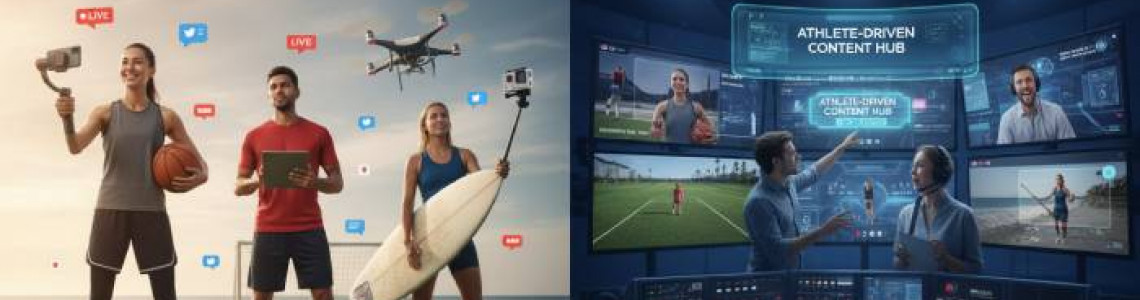
The sports media landscape is undergoing a powerful transformation. Traditionally dominated by broadcasters, publishers, and sports networks, content creation is now increasingly driven by athlete influencers. With massive social followings, authentic voices, and direct fan engagement, athletes are no longer just the subject of sports media, they are becoming media brands themselves. This shift is forcing sports organizations, advertisers, and media companies to rethink their content strategies.
In this article, we explore how athlete influencers are reshaping sports media content strategy and why brands must adapt to stay relevant.
The Rise of Athlete Influencers in the Digital Era
Social media platforms like Instagram, YouTube, X, and TikTok have given athletes direct access to global audiences. Fans now follow athletes not just for match highlights, but for behind-the-scenes moments, training routines, personal opinions, lifestyle content, and real-time reactions.
Unlike traditional sports journalism, athlete-driven content feels personal and unfiltered. This authenticity has made athletes trusted voices, often more influential than sports channels or commentators. As a result, athletes are evolving into independent content creators and powerful digital publishers.
Shift from Broadcast-Centric to Creator-Led Content
Earlier, sports media strategies revolved around scheduled broadcasts, post-match analysis, and press conferences. Athlete influencers have disrupted this model by producing continuous, on-demand content that keeps fans engaged beyond game days.
Short-form videos, live streams, podcasts, and interactive stories are now integral to sports content strategies. Media houses and leagues are increasingly collaborating with athletes to co-create content rather than controlling the narrative entirely.
Authentic Storytelling Over Polished Production
One of the biggest impacts of athlete influencers is the shift toward authentic storytelling. Fans today prefer raw, real, and relatable content over highly produced studio segments.
Athletes sharing personal struggles, injuries, comebacks, mental health journeys, and off-field passions create emotional connections that traditional sports coverage often lacks. Sports media brands are now prioritizing human-interest stories and first-person narratives to match this audience preference.
Redefining Fan Engagement and Community Building
Athlete influencers actively engage with fans through comments, polls, Q&A sessions, and live interactions. This two-way communication has changed fan expectations from passive consumption to active participation.
Sports media strategies are now focusing on community-driven content, fan-generated stories, and interactive formats. Collaborating with athlete influencers helps media platforms build loyal fan communities instead of relying solely on reach and impressions.
New Monetization Opportunities for Sports Media
Athlete-led content has opened new revenue streams across sponsorships, branded content, merchandise, NFTs, subscriptions, and exclusive memberships. Brands increasingly prefer partnering with athletes who have niche, loyal audiences rather than investing only in mass sports advertising.
Sports media companies are adapting by creating influencer-led shows, exclusive athlete content series, and brand-integrated storytelling formats that align with athletes’ personal brands.
Impact on Brand and Sponsorship Strategies
Athlete influencers have become central to sports marketing campaigns. Their credibility and emotional connection with fans make brand messages more impactful and trustworthy.
Instead of traditional endorsements, brands are now focusing on long-term collaborations where athletes organically integrate products into their content. This shift is influencing sports media planning, with more emphasis on influencer-first content distribution strategies.
Data-Driven Personalization and Niche Content
Athlete influencers generate valuable audience data through engagement metrics, viewer behavior, and fan interests. Sports media platforms are leveraging this data to create personalized content experiences.
From sport-specific micro-content to regional language storytelling, athlete-led insights help media brands tailor content for diverse and niche audiences, improving retention and watch time.
Challenges and the Need for Strategic Alignment
While athlete influencers offer massive opportunities, they also present challenges. Managing brand safety, content consistency, and message alignment is crucial. Athletes need guidance on content planning, while media brands must respect creative freedom to maintain authenticity.
Successful sports media strategies strike a balance between structured storytelling and athlete individuality.
The Future of Sports Media Content Strategy
Athlete influencers are not replacing sports media; they are redefining it. The future belongs to collaborative ecosystems where athletes, media platforms, leagues, and brands co-create content that is engaging, authentic, and community-driven.
As digital consumption continues to grow, athlete-led storytelling will remain a core pillar of sports media strategies, shaping how fans experience sports both on and off the field.
Conclusion
Athlete influencers have transformed sports media from a one-way broadcast model into a dynamic, interactive, and creator-led ecosystem. By embracing authenticity, direct engagement, and digital-first content formats, sports media brands can stay relevant in an influencer-driven era.
For marketers, publishers, and sports organizations, integrating athlete influencers into content strategy is no longer optional, it is essential for sustained growth and audience loyalty in the modern sports media landscape.
Elyts Advertising and Branding Solutions | www.elyts.in (India) | www.elyts.agency (UAE)
Related Products



Leave a Comment