















AI Powered Mall Media Advertising | Smart Retail Marketing
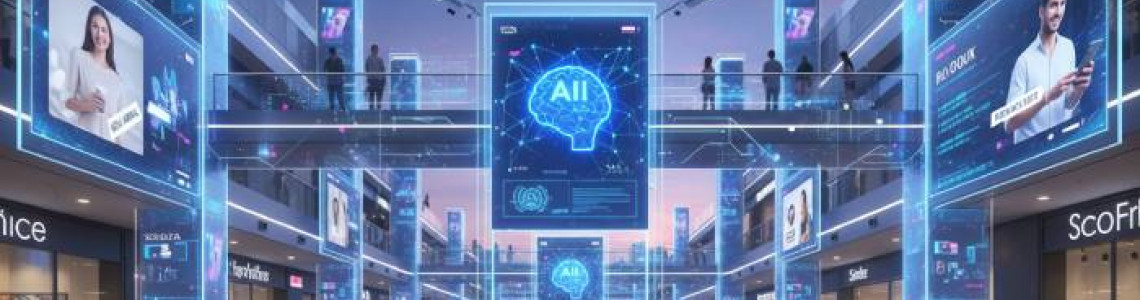
The retail landscape is evolving rapidly, and artificial intelligence (AI) is at the center of this transformation. Traditional mall advertising has shifted from static posters and backlit panels to intelligent, data-driven digital experiences. AI-powered mall media advertising is redefining how brands connect with consumers inside shopping centers, making campaigns smarter, more personalized, and highly measurable.
As malls become experiential hubs rather than just shopping destinations, AI-driven advertising solutions are helping brands deliver targeted messages at the right time, to the right audience, in the right location.
What is AI-Powered Mall Media Advertising?
AI-powered mall media advertising integrates artificial intelligence, data analytics, computer vision, and automation into digital advertising screens placed within malls. These systems analyze real-time data such as:
-
Foot traffic patterns
-
Shopper demographics
-
Dwell time
-
Purchase behavior
-
Weather and event triggers
Using this data, digital displays can automatically adjust ad content to match audience profiles and contextual conditions.
Why AI is Transforming Mall Advertising
1. Hyper-Personalized Ad Experiences
AI-enabled screens can identify audience attributes such as age group, gender patterns, and behavioral cues (without compromising privacy). Based on these insights, brands can serve highly relevant ads.
For example:
-
A beauty brand can display skincare ads to young adults.
-
A luxury brand can promote premium products during high-income peak hours.
-
A restaurant can advertise lunch offers around midday.
This level of personalization increases engagement and improves conversion rates.
2. Real-Time Content Optimization
Unlike static billboards, AI-driven mall media adjusts in real time. If footfall drops in one zone, ads can automatically shift to high-traffic areas. During festivals, sales, or special events, creative content can instantly adapt without manual intervention.
This dynamic capability ensures brands maximize visibility and ROI.
3. Smart Audience Targeting Through Data Analytics
AI systems process massive amounts of shopper data collected from:
-
Wi-Fi analytics
-
Mobile location signals
-
POS integrations
-
Loyalty program insights
With predictive analytics, brands can anticipate consumer preferences and tailor campaigns accordingly. This transforms mall advertising from mass broadcasting to precision targeting.
4. Improved ROI Measurement
One of the biggest challenges in traditional OOH advertising was measurement. AI solves this by offering:
-
Real-time impression tracking
-
Heat maps of shopper movement
-
Engagement analytics
-
Conversion attribution models
Retailers can now directly link mall media campaigns to in-store sales performance, making budgeting decisions more data-driven.
5. Enhanced Customer Experience
AI-powered mall media does more than advertise—it enhances the shopping journey.
Examples include:
-
Interactive touch screens with product catalogs
-
Voice-enabled kiosks
-
AR-powered virtual try-ons
-
Personalized discount notifications
This immersive experience increases dwell time and encourages impulse purchases.
Key Benefits for Retail Brands
✔ Higher Engagement Rates
Dynamic and personalized ads capture more attention than static displays.
✔ Increased Footfall
AI can push time-sensitive offers to attract customers into stores.
✔ Better Campaign Efficiency
Automated content scheduling reduces operational costs.
✔ Competitive Advantage
Brands using AI-powered advertising appear more innovative and tech-forward.
AI and DOOH Integration in Mall Spaces
Digital Out-of-Home (DOOH) advertising in malls is evolving through AI integration. Smart screens placed at entrances, food courts, escalators, and atriums are now connected to centralized AI systems that analyze shopper flow patterns.
This enables:
-
Programmatic ad buying
-
Automated ad rotation
-
Geo-targeted messaging
-
Contextual ad placement
The result is a seamless omnichannel retail marketing ecosystem where mall media complements social, mobile, and in-store campaigns.
Privacy and Ethical Considerations
While AI enhances targeting, ethical data usage is crucial. Responsible AI-powered mall media solutions:
-
Avoid storing personal identities
-
Use anonymized data
-
Follow data protection regulations
-
Maintain transparent data practices
Trust is essential in modern retail marketing, and ethical AI deployment ensures long-term brand credibility.
The Future of Smart Retail Marketing
The future of mall advertising lies in intelligent automation, predictive analytics, and immersive technologies. Emerging trends include:
-
AI-driven emotion recognition
-
Smart digital mirrors
-
3D holographic displays
-
Integration with retail apps
-
Real-time programmatic bidding
As AI technology advances, mall media will become more interactive, measurable, and customer-centric.
Conclusion
AI-powered mall media advertising is not just an upgrade—it’s a revolution in retail marketing. By combining data intelligence with dynamic digital displays, brands can create meaningful, targeted, and measurable campaigns inside shopping malls.
For retailers and advertisers looking to stay ahead in a competitive marketplace, investing in AI-driven mall media is no longer optional—it’s essential. The future of smart retail marketing belongs to brands that leverage AI to deliver the right message at the right moment.
Elyts Advertising and Branding Solutions | www.elyts.in (India) | www.elyts.agency (UAE)
Related Products




Leave a Comment