
















How AI and Data Analytics Are Revolutionizing OOH Campaigns
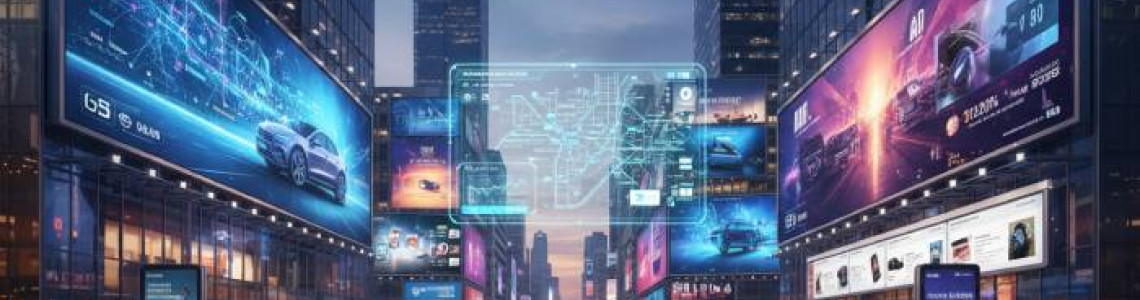
Out-of-Home (OOH) advertising has always been about visibility—big formats, high traffic locations, and constant brand presence. However, in today’s data-driven world, traditional OOH is undergoing a powerful transformation. Artificial Intelligence (AI) and Data Analytics are redefining how brands plan, execute, and measure OOH campaigns, making them smarter, more targeted, and highly measurable.
Let’s explore how AI and data analytics are revolutionizing OOH campaigns and why brands are rapidly investing in this evolution.
The Shift from Traditional OOH to Smart OOH
Traditional OOH relied heavily on location popularity and estimated footfall. While effective for mass awareness, it lacked precision and real-time insights. With the rise of Digital Out-of-Home (DOOH), AI and data analytics now enable advertisers to make informed decisions based on real audience behavior rather than assumptions.
Smart OOH combines digital screens, sensors, mobile data, and AI-powered platforms to deliver context-aware and audience-centric advertising.
AI-Powered Audience Targeting
One of the biggest breakthroughs AI brings to OOH advertising is intelligent audience targeting. AI analyzes vast datasets such as:
-
Mobile location data
-
Demographic patterns
-
Consumer movement and dwell time
-
Behavioral and purchase intent signals
Using this data, brands can identify who is most likely to see their ads and tailor campaigns accordingly. For example, AI can help display fitness ads near gyms during early mornings or promote food delivery services during peak meal hours.
This level of targeting was once exclusive to digital ads—but AI has now brought it to OOH.
Data-Driven Media Planning and Site Selection
AI-driven analytics platforms evaluate multiple data points to optimize media planning, including:
-
Traffic density and movement trends
-
Weather conditions
-
Time of day and day of the week
-
Nearby points of interest
Instead of choosing locations based only on visibility, advertisers can now select sites based on performance potential. This results in higher reach, better engagement, and improved ROI.
Real-Time Campaign Optimization
Unlike static billboards, AI-enabled DOOH allows real-time optimization. Campaigns can be adjusted instantly based on live data such as:
-
Weather changes
-
Audience volume fluctuations
-
Local events or festivals
-
Traffic patterns
For example, a beverage brand can promote hot drinks during cooler weather and switch to cold beverages when temperatures rise—automatically and seamlessly.
Dynamic and Personalized Creative Content
AI makes it possible to deliver dynamic creatives that change based on context. Data analytics helps determine which creative works best for specific conditions, such as:
-
Time-based messaging (morning vs evening)
-
Location-based relevance
-
Audience mood or behavior indicators
This dynamic approach increases relevance and captures attention more effectively than one-size-fits-all messaging.
Improved Measurement and Attribution
One of the historical challenges of OOH advertising was measuring effectiveness. AI and data analytics have changed this dramatically.
Today, advertisers can track:
-
Impressions based on real footfall data
-
Engagement through mobile device interactions
-
Store visits and online conversions linked to OOH exposure
Advanced attribution models help connect OOH campaigns to digital actions, such as website visits, app installs, and purchases—offering clearer performance insights than ever before.
Programmatic Buying Meets AI
AI plays a crucial role in programmatic DOOH buying. Using real-time data, AI algorithms can automatically purchase ad slots based on audience availability, cost efficiency, and campaign objectives.
This automation:
-
Reduces media wastage
-
Enhances targeting accuracy
-
Allows flexible budgeting
-
Improves campaign scalability
As a result, OOH advertising now operates with the same agility as digital marketing channels.
Predictive Analytics for Smarter Campaigns
Predictive analytics powered by AI helps brands forecast campaign performance before launch. By analyzing historical data and market trends, AI can predict:
-
Expected reach and frequency
-
Best-performing locations
-
Optimal campaign duration
-
Budget allocation strategies
This proactive approach minimizes risk and maximizes returns.
Why Brands Are Embracing AI-Driven OOH
Brands today demand accountability, personalization, and performance. AI and data analytics deliver all three by transforming OOH into a measurable, flexible, and intelligent medium.
Key benefits include:
-
Higher audience relevance
-
Better creative impact
-
Real-time adaptability
-
Stronger ROI and insights
For agencies like Elyts Branding Solutions, leveraging AI-powered OOH strategies can offer clients smarter campaigns that blend scale with precision.
The Future of OOH Advertising
As AI technologies continue to evolve, OOH campaigns will become even more immersive, predictive, and integrated with digital ecosystems. From facial sentiment analysis to AI-generated creatives and cross-channel attribution, the future of OOH is data-first and intelligence-driven.
Final Thoughts
AI and data analytics are no longer optional in OOH advertising—they are essential. By transforming traditional billboards into intelligent communication platforms, brands can connect with audiences in more meaningful, timely, and measurable ways.
Elyts Advertising and Branding Solutions | www.elyts.in (India) | www.elyts.agency (UAE)
Related Products





Leave a Comment