
















Advertising Agencies | Evolving | Trends Shaping | Digitally
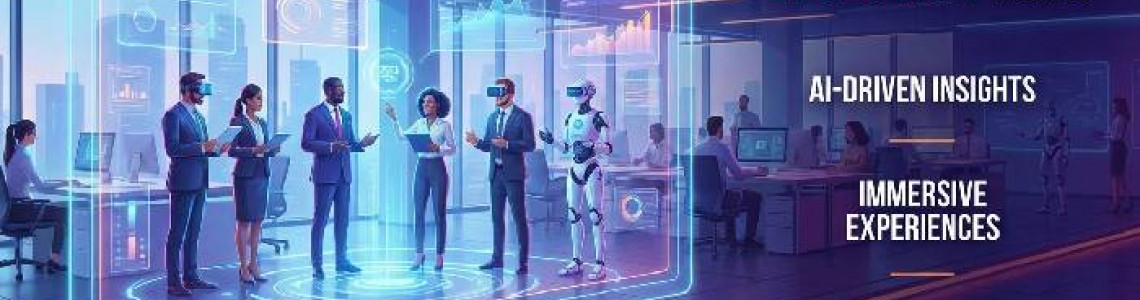
The advertising landscape in 2026 looks dramatically different from what it was just a few years ago. Rapid advancements in artificial intelligence, data analytics, immersive technologies, and consumer behavior shifts are transforming how advertising agencies operate. Today’s agencies are no longer just creative service providers—they are strategic growth partners, technology integrators, and experience architects.
Let’s explore the key trends shaping the future of marketing and how advertising agencies are evolving to stay ahead.
1. AI-Powered Creativity and Automation
Artificial Intelligence is no longer just a support tool; it is at the core of modern agency operations. In 2026, agencies use AI to:
-
Generate high-quality ad copy and visuals
-
Analyze consumer behavior in real time
-
Predict campaign performance before launch
-
Personalize ads at scale
AI-powered tools help agencies deliver faster results without compromising creativity. Instead of replacing human talent, AI enhances creative ideation by providing insights, trend predictions, and automated testing. Agencies are combining machine intelligence with human emotion to produce impactful campaigns.
2. Hyper-Personalization Through First-Party Data
With stricter privacy regulations and the decline of third-party cookies, agencies are relying heavily on first-party data strategies. Brands now collect data directly from customers through websites, apps, and loyalty programs.
Advertising agencies are evolving by:
-
Building data ecosystems for clients
-
Creating consent-driven marketing strategies
-
Designing personalized omnichannel experiences
In 2026, successful campaigns are built on relevance. Consumers expect brands to understand their preferences, behaviors, and needs. Agencies that master data-driven personalization are leading the market.
3. Performance-Driven Creative Strategies
Creative storytelling remains essential, but measurable results are equally important. Agencies are now blending branding with performance marketing.
Modern agencies focus on:
-
Conversion-focused content
-
ROI-driven ad campaigns
-
Continuous A/B testing
-
Real-time optimization
The traditional separation between brand marketing and performance marketing has disappeared. Agencies are aligning storytelling with data insights to drive both engagement and revenue growth.
4. Rise of Immersive and Interactive Experiences
Emerging technologies like augmented reality (AR), virtual reality (VR), and interactive video ads are reshaping consumer engagement. In 2026, agencies are designing experiences rather than just advertisements.
Examples include:
-
Virtual product trials
-
Interactive social media campaigns
-
Shoppable videos
-
3D digital billboards
Consumers want participation, not passive viewing. Agencies are responding by crafting immersive brand journeys that enhance engagement and brand recall.
5. Omnichannel Marketing Integration
Today’s customers interact with brands across multiple touchpoints—social media, search engines, streaming platforms, e-commerce websites, and physical stores.
Advertising agencies are evolving into omnichannel strategists by:
-
Integrating online and offline campaigns
-
Ensuring consistent messaging across platforms
-
Using unified data dashboards
-
Tracking customer journeys holistically
The goal is to create seamless brand experiences regardless of where consumers engage.
6. Expansion into Consulting and Business Strategy
In 2026, agencies are stepping beyond advertising and entering business consulting. Clients now expect agencies to contribute to:
-
Market expansion strategies
-
Digital transformation
-
Customer experience optimization
-
Brand positioning and rebranding
Agencies are becoming long-term partners rather than short-term service providers. They are offering end-to-end marketing solutions that align with overall business objectives.
7. Focus on Sustainability and Purpose-Driven Marketing
Consumers in 2026 prefer brands that stand for social responsibility and sustainability. Advertising agencies are adapting by:
-
Creating authentic purpose-driven campaigns
-
Avoiding “greenwashing” tactics
-
Promoting ethical storytelling
-
Supporting ESG-focused brand narratives
Brands are no longer judged solely on products but also on values. Agencies are helping clients build trust through transparency and meaningful messaging.
8. Creator Economy and Micro-Influencer Partnerships
Influencer marketing has evolved into a strategic, performance-based channel. Agencies are shifting from celebrity endorsements to:
-
Micro and nano influencer collaborations
-
Long-term creator partnerships
-
Community-driven campaigns
-
Social commerce integrations
Authenticity and niche targeting are driving higher engagement rates. Agencies are managing influencer ecosystems to maximize reach and conversions.
9. Remote-First and Global Talent Models
The modern agency workforce is decentralized. In 2026, many agencies operate remotely, leveraging global talent pools. This allows access to diverse creative perspectives and specialized skills without geographical limitations.
Benefits include:
-
Reduced operational costs
-
Faster turnaround times
-
Greater innovation
-
24/7 campaign management
Technology has enabled agencies to collaborate seamlessly across borders.
10. Advanced Analytics and Predictive Marketing
Data is now the backbone of marketing decisions. Agencies are using predictive analytics to forecast trends, customer demand, and campaign outcomes.
Key advancements include:
-
Real-time dashboards
-
AI-powered audience segmentation
-
Behavioral targeting
-
Predictive content optimization
Rather than reacting to data, agencies are proactively shaping campaigns based on future insights.
The Future of Advertising Agencies
The advertising agency of 2026 is agile, tech-driven, data-centric, and purpose-oriented. Success depends on balancing creativity with analytics, automation with human insight, and innovation with authenticity.
Agencies that embrace:
-
AI and automation
-
Data-driven personalization
-
Immersive experiences
-
Omnichannel strategies
-
Purpose-led branding
will continue to lead the marketing industry into the future.
Conclusion
Advertising agencies are no longer just creative hubs—they are strategic growth partners shaping the future of marketing. As technology advances and consumer expectations rise, agencies must continuously evolve to stay relevant.
The future belongs to agencies that innovate boldly, adapt quickly, and deliver measurable value. In 2026 and beyond, marketing success will depend on agility, intelligence, and authentic connection.
Elyts Advertising and Branding Solutions | www.elyts.in (India) | www.elyts.agency (UAE)
Related Products


Leave a Comment