














Advertising Agencies | Adopting AI | Trends | Tools | Digitally
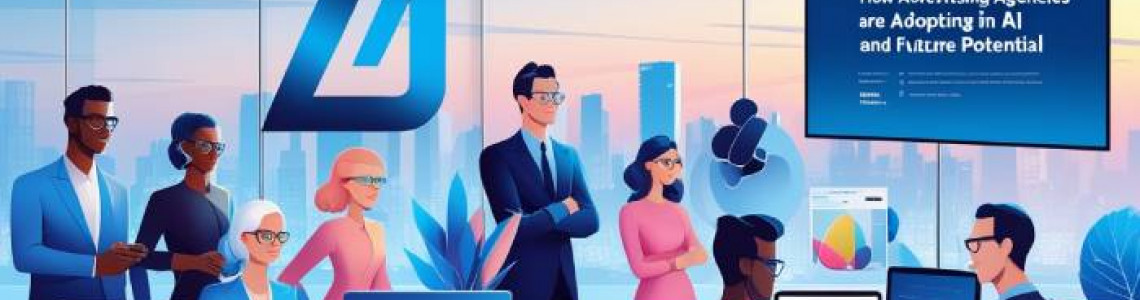
In 2025, artificial intelligence has become the backbone of modern advertising. Agencies across the globe are shifting from traditional creative workflows to AI-powered, data-driven ecosystems that deliver higher efficiency, personalization, and measurable performance. As consumer behavior continues to evolve rapidly, advertising firms are embracing AI to stay competitive, automate tedious tasks, and enhance creative innovation.
This article explores the key trends, tools, and future potential of AI in advertising agencies in 2025.
Why AI Has Become Essential for Advertising Agencies
Advertising no longer relies solely on intuition and creativity. Brands now demand precision targeting, predictive insights, and faster execution—all of which AI can deliver. Agencies benefit from AI-driven capabilities such as:
-
Automating repetitive tasks like ad placement, reporting, and optimization
-
Generating hyper-personalized ad creatives
-
Predicting audience behavior and campaign outcomes
-
Reducing human errors and operational costs
-
Scaling campaigns across multiple platforms in real time
Top AI Trends Transforming Advertising Agencies in 2025
1. AI-Generated Creatives Become Mainstream
Creative production is undergoing a major transformation. Leveraging generative AI tools, agencies can now create:
-
Ad copy variations
-
Video ads
-
3D product mockups
-
Social media graphics
-
Storyboards
Tools like OpenAI’s Sora, Midjourney V7, Runway Gen-3, and Adobe Firefly enable faster and more diverse creative output. Human creatives still guide the narrative—but AI accelerates execution.
2. Predictive Audience Targeting & Hyper-Personalization
AI-driven predictive algorithms analyze user intent, behavior patterns, historical data, and cross-platform touchpoints. This helps agencies:
-
Identify high-converting audiences
-
Predict customer actions
-
Serve ads at the right time on the right platform
-
Personalize messaging for each user segment
Platforms like Google’s Performance Max, Meta’s Advantage+ and custom AI-driven audience models are core tools for media planners in 2025.
3. AI-Powered Media Buying & Real-Time Optimization
Programmatic advertising is now fully AI-driven. Algorithms automatically:
-
Bid for ad placements
-
Adjust budgets
-
Optimize creatives
-
Improve ROI in real time
AI observes user interactions, campaign performance, and market conditions to ensure maximum impact. Agencies use DSPs, AI bidding engines, and ML-based optimization tools to reduce waste and increase ad relevance.
4. Conversational AI for Customer Engagement
Brands are using AI chatbots and voice assistants to deliver instant support and personalized interactions. Agencies develop and deploy:
-
Customer service bots
-
WhatsApp & Instagram chat automation
-
Voice-based brand experiences
-
AI sales assistants
These tools reduce response time and increase engagement, especially in sectors like e-commerce, real estate, and banking.
5. AI-Driven Video Production & Editing
Video consumption continues to dominate digital platforms. Agencies now rely on AI for:
-
Automatic video editing
-
Scene enhancement
-
Script-to-video creation
-
Motion graphics automation
-
Localization & dubbing
Tools such as Sora, Runway, Pictory, Descript, and Synthesia make high-quality video production faster and more cost-effective.
6. AI for Performance Tracking & Insights
Analytics has evolved from descriptive to predictive. Agencies now use AI dashboards to:
-
Predict outcomes before campaigns launch
-
Detect performance bottlenecks
-
Track consumer sentiment
-
Generate detailed insight reports automatically
AI ensures agencies make smarter, data-driven decisions instead of relying solely on manual analysis.
7. Enhanced SEO, Content Planning & Copywriting
AI tools assist agencies in creating SEO strategies, keyword clusters, and high-ranking content. They help with:
-
Semantic SEO
-
Topic cluster research
-
Long-form content generation
-
On-page optimization
-
Competitor analysis
Tools like ChatGPT, Jasper, Surfer SEO, Semrush AI, and MarketMuse streamline the content production process.
Key AI Tools Advertising Agencies Use in 2025
Advertising teams are integrating AI through a wide range of tools, including:
Creative & Design
-
Midjourney
-
Adobe Firefly
-
Canva AI
-
DALL·E
-
Runway Gen-3
Media & Performance
-
Google Performance Max
-
Meta Advantage+
-
The Trade Desk AI
-
Amazon Ads Machine Learning
Content & SEO
-
ChatGPT
-
Jasper AI
-
Surfer
-
Semrush AI
Customer Engagement
-
Botpress
-
ManyChat
-
Intercom AI
The Future Potential of AI in Advertising Agencies
1. Fully Autonomous Campaigns
AI will eventually manage entire advertising cycles—from concept to execution—requiring minimal human input.
2. AI-Powered Brand Decision Engines
Brands will rely on AI to suggest the best messaging, channels, budgets, and creative strategies based on real-time data.
3. Emotion-Aware Advertising
Advanced models will analyze facial expressions, voice tones, and emotional cues to serve emotion-matched ads.
4. AI-Driven Metaverse & Virtual Experiences
Agencies will create immersive, interactive virtual ad experiences using AI avatars, digital humans, and VR worlds.
5. Sustainable & Energy-Efficient Advertising
AI will help reduce ad waste and carbon footprint by optimizing impressions and reducing unnecessary digital clutter.
Conclusion
In 2025, AI is no longer an optional tool for advertising agencies—it’s a strategic necessity. From creative production and media planning to real-time optimization and personalized brand experiences, AI is reshaping how agencies operate and compete.
Agencies that embrace AI early will deliver faster, smarter, and more impactful advertising, gaining a massive advantage in an increasingly data-driven marketplace.
Elyts Advertising and Branding Solutions | www.elyts.in (India) | www.elyts.agency (UAE)
Related Products

Leave a Comment