
















Top 10 Trends Shaping Ad Films | Creative Campaigns in 2026
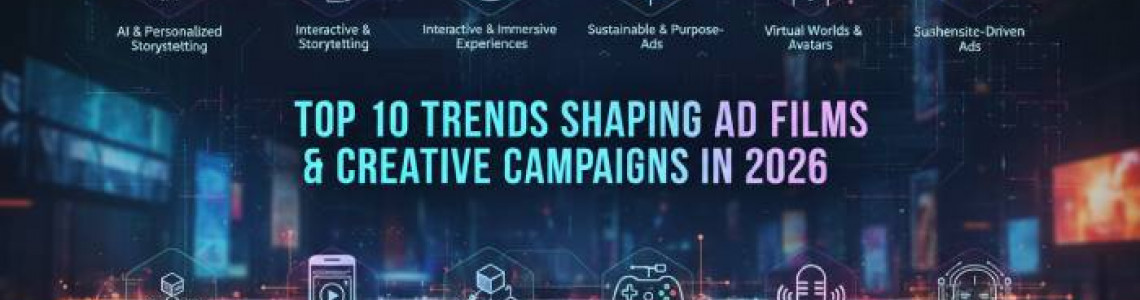
The advertising landscape is evolving at an unprecedented pace. With technological advancements, changing consumer behavior, and global socio-cultural shifts, ad films and creative campaigns in 2026 are poised to be more dynamic, personalized, and immersive than ever before. Here are the top 10 trends shaping the future of advertising.
1. AI-Driven Creativity
Artificial Intelligence is no longer just a tool for automation; it’s becoming a creative partner. AI-powered tools are helping agencies generate ad scripts, storyboards, and even video edits. Brands are leveraging AI to analyze audience preferences and create hyper-personalized campaigns that resonate with individual viewers.
2. Immersive Storytelling with AR & VR
Augmented Reality (AR) and Virtual Reality (VR) are transforming ad films into interactive experiences. In 2026, more brands will adopt AR/VR to allow consumers to engage with products in a virtual environment, creating memorable and shareable content.
3. Short-Form & Snackable Content
Attention spans are shrinking, and social media platforms are driving the demand for short, impactful videos. Creative campaigns now focus on concise storytelling, delivering the brand message in under 60 seconds while maximizing engagement and recall.
4. Purpose-Driven Campaigns
Consumers increasingly expect brands to take a stand on social, environmental, and cultural issues. In 2026, purpose-driven campaigns that align brand messaging with values like sustainability, inclusivity, and mental well-being will dominate ad films.
5. Interactive & Shoppable Videos
Shoppable videos are revolutionizing e-commerce marketing. Brands are integrating clickable links, polls, and interactive elements into ad films, allowing viewers to make purchases or engage with content seamlessly without leaving the platform.
6. Influencer-Led Storytelling
Influencers continue to be key collaborators in creative campaigns. In 2026, micro- and nano-influencers will play a bigger role, offering authentic, niche storytelling that resonates more deeply with target audiences.
7. Data-Driven Personalization
With first-party data becoming crucial post-cookie deprecation, brands are using insights to craft campaigns tailored to individual preferences. Personalized ad films enhance engagement and conversion rates while strengthening brand loyalty.
8. Sustainable Production Practices
Sustainability is becoming central to creative production. Brands and agencies are reducing carbon footprints, using eco-friendly sets, and promoting digital production methods without compromising creativity.
9. Cross-Platform Integration
Omnichannel campaigns are the norm. Ad films are now designed for seamless adaptation across TV, social media, OTT platforms, and in-store displays. Consistency in messaging while leveraging platform-specific strengths ensures maximum reach and impact.
10. Experimental Formats & AI-Generated Characters
Brands are pushing boundaries with experimental formats like deepfake storytelling, AI-generated characters, and virtual brand ambassadors. These innovations allow for creative flexibility and futuristic campaigns that captivate audiences in unique ways.
Conclusion
The year 2026 marks a transformative phase for ad films and creative campaigns. From AI-driven storytelling to immersive experiences, brands are finding innovative ways to engage audiences and stay relevant. Staying ahead of these trends is no longer optional—it’s essential for brands aiming to make a lasting impact in an increasingly competitive landscape.
Elyts Advertising and Branding Solutions | www.elyts.in (India) | www.elyts.agency (UAE)
Related Products





Leave a Comment