









How to Plan a High Impact Mainline Media Campaign | Maximum Reach

In an era dominated by digital marketing, many brands underestimate the unmatched power of Mainline Media. Television, radio, newspapers, cinema, and large-format outdoor advertising continue to deliver mass visibility, credibility, and emotional impact at scale.
If executed strategically, a mainline media campaign can create explosive brand awareness, drive trust, and deliver long-term brand recall.
This guide explains how to plan a high-impact mainline media campaign that maximizes reach, optimizes budgets, and generates measurable results.
What Is Mainline Media?
Mainline media refers to traditional advertising channels such as:
-
Television (TV)
-
Radio
-
Newspapers
-
Magazines
-
Cinema advertising
-
Outdoor hoardings & billboards
Unlike digital ads that target micro-segments, mainline media is designed for mass exposure and broad brand positioning.
Step 1: Define Clear Campaign Objectives
Before booking any media space, define your primary goal:
-
Brand awareness?
-
Product launch?
-
Market expansion?
-
Festive sales boost?
-
Political or public awareness campaign?
Clear objectives help determine:
-
Media mix selection
-
Budget allocation
-
Creative format
-
Campaign duration
???? Example: If the goal is rapid national awareness, television and high-impact outdoor formats may be more effective than print alone.
Step 2: Identify the Right Target Audience
Even though mainline media focuses on mass reach, targeting still matters.
Consider:
-
Age group
-
Income level
-
Geographic location
-
Urban vs rural audience
-
Language preference
-
Viewing/listening habits
For example:
-
Regional TV channels work better for local campaigns.
-
Business newspapers are ideal for B2B brands.
-
Prime-time TV is powerful for FMCG and consumer brands.
Step 3: Choose the Right Media Mix
A high-impact campaign rarely depends on a single medium.
1️⃣ Television Advertising
Best for:
-
Mass awareness
-
Emotional storytelling
-
Nationwide campaigns
Prime-time slots significantly increase visibility but come at premium costs.
2️⃣ Print Advertising
Best for:
-
Detailed messaging
-
Local targeting
-
Trust-building
Front-page jacket ads or festive editions generate strong impact.
3️⃣ Radio Advertising
Best for:
-
City-level targeting
-
Frequent repetition
-
Cost-effective recall
4️⃣ Outdoor (OOH) Advertising
Best for:
-
High-frequency exposure
-
Location-based branding
-
Traffic-heavy visibility
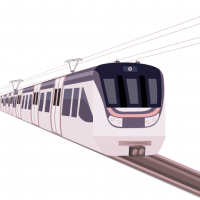
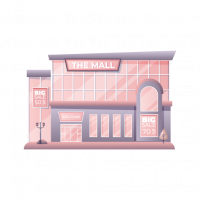
Large-format hoardings near highways, malls, and metro stations deliver continuous brand recall.
5️⃣ Cinema Advertising
Best for:
-
Captive audience engagement
-
Premium urban targeting
-
Youth-focused brands
Step 4: Strategic Budget Allocation
Budget planning determines campaign efficiency.
Follow the 60-30-10 principle (flexible model):
-
60% → High-reach primary medium (TV or Outdoor)
-
30% → Supporting media (Print/Radio)
-
10% → Contingency & tactical bursts
Also consider:
-
Frequency vs reach balance
-
Seasonal pricing variations
-
Negotiation leverage with media houses
A smart buying strategy can reduce costs by 15–30%.
Step 5: Create Impact-Driven Creative Content
In mainline media, creative execution determines success.
Your ad must:
-
Grab attention in 3 seconds
-
Communicate one strong message
-
Maintain brand consistency
-
Include a clear call-to-action
For TV & cinema:
-
Use emotional storytelling
-
Focus on strong audio-visual recall
-
End with memorable branding
For print:
-
Powerful headline
-
Clean layout
-
High-quality visuals
For outdoor:
-
Minimal words
-
Bold typography
-
Large logo placement
Remember: Mainline media is not about complexity — it’s about clarity and memorability.
Step 6: Select the Right Timing & Duration
Timing significantly affects impact.
Consider:
-
Festive seasons
-
Sporting events
-
Movie releases
-
Election periods
-
School admissions season
-
Financial year-end sales
Short bursts create urgency.
Long-duration campaigns build strong brand recall.
Step 7: Measure Performance & Optimize
Many brands assume mainline media cannot be measured. That’s a myth.
Track:
-
GRP (Gross Rating Points)
-
TRP (Television Rating Points)
-
Reach & frequency
-
Brand recall surveys
-
Sales uplift
-
Footfall growth
-
Website traffic spikes during campaign
Integrating mainline with digital tracking improves performance measurement.
Step 8: Integrate with Digital for Amplification
The most powerful campaigns today are integrated.
For example:
-
TV ad + YouTube retargeting
-
Print ad + QR code
-
Outdoor + social media hashtag
-
Radio + influencer collaboration
This multiplies exposure and improves ROI.
Common Mistakes to Avoid
❌ No clear objective
❌ Weak creative
❌ Poor location selection
❌ Over-spending on a single medium
❌ No performance tracking
❌ Ignoring regional preferences
Why Mainline Media Still Delivers Maximum Reach
Mainline media offers:
✔ Massive audience coverage
✔ High credibility
✔ Strong emotional storytelling
✔ Long-lasting brand recall
✔ Offline + online synergy opportunities
For brands looking to dominate a city, state, or nation, mainline media remains unmatched in scale.
Final Thoughts
A high-impact mainline media campaign is not about spending more — it’s about planning smarter.
With the right:
-
Objective
-
Media mix
-
Budget strategy
-
Creative execution
-
Timing
-
Measurement system
You can achieve maximum reach and sustainable brand growth.
For agencies and brands aiming to build authority and visibility at scale, mainline media remains a powerful weapon in 2026 and beyond.
Elyts Advertising and Branding Solutions | www.elyts.in (India) | www.elyts.agency (UAE)
Related Products
Leave a Comment