










Email Marketing | Personalization Tactics | Increase Conversions
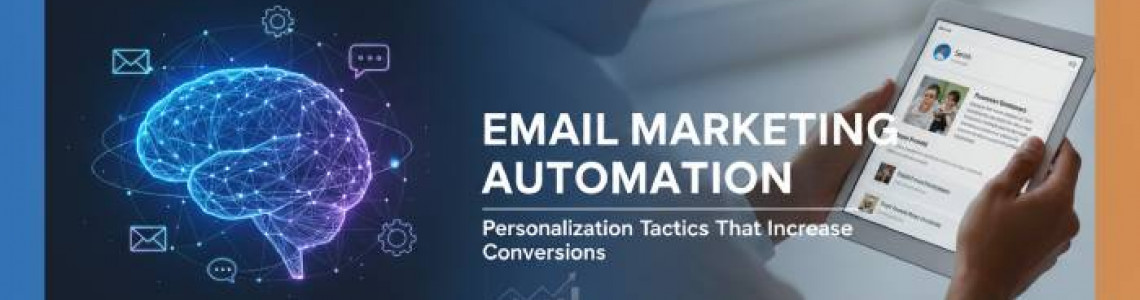
Email marketing remains one of the highest ROI digital marketing channels. However, in 2026, generic email blasts no longer drive meaningful engagement. Consumers expect relevant, timely, and personalized communication. That’s where email marketing automation becomes a game-changer.
By combining automation with smart personalization strategies, businesses can increase open rates, click-through rates, and—most importantly—conversions. This article explores powerful personalization tactics that transform automated emails into high-performing revenue drivers.
What Is Email Marketing Automation?
Email marketing automation is the use of software and behavioral data to send targeted emails automatically based on predefined triggers. Instead of sending mass campaigns to everyone, businesses can deliver relevant messages to the right person at the right time.
Examples include:
-
Welcome email sequences
-
Abandoned cart reminders
-
Post-purchase follow-ups
-
Re-engagement campaigns
-
Lead nurturing workflows
Automation ensures consistency, while personalization ensures effectiveness.
Why Personalization Is Critical for Conversions
Personalized emails:
-
Increase open rates
-
Improve customer trust
-
Enhance user experience
-
Drive higher click-through rates
-
Boost customer retention
Modern consumers expect brands to understand their preferences. Emails that feel customized outperform generic messages because they align with the recipient’s interests and behavior.
High-Converting Personalization Tactics in Email Automation
1. Behavioral Trigger-Based Emails
One of the most effective tactics is sending emails based on user behavior. These emails feel timely and relevant.
Examples:
-
Cart abandonment reminders
-
Product browsing follow-ups
-
Content download follow-ups
-
Event registration confirmations
Behavioral emails typically convert significantly higher than bulk campaigns because they are action-driven.
2. Dynamic Content Personalization
Dynamic content changes based on the recipient’s data profile.
You can personalize:
-
Product recommendations
-
Images
-
Offers
-
Location-based promotions
-
Language preferences
For example, an eCommerce brand can show different product recommendations to different users within the same campaign.
3. Segmentation Beyond Basic Demographics
Basic segmentation (age, gender, location) is no longer enough. Advanced segmentation includes:
-
Purchase history
-
Engagement level
-
Website behavior
-
Customer lifecycle stage
-
Average order value
The more refined your segmentation, the more relevant your automated emails become.
4. Personalized Subject Lines That Drive Opens
Subject lines heavily influence open rates. Adding personalization increases curiosity and relevance.
Examples:
-
“Priya, your favorite products are back in stock!”
-
“You left something behind…”
Personalized subject lines can significantly improve open rates when used naturally and strategically.
5. Lifecycle-Based Email Workflows
Different customers are at different stages of the buyer journey. Automated workflows tailored to lifecycle stages increase conversions.
Awareness Stage
Educational content, blog resources, lead magnets.
Consideration Stage
Case studies, testimonials, comparison guides.
Decision Stage
Discount offers, demos, free trials.
Mapping content to the customer journey ensures the right message is delivered at the right time.
6. AI-Driven Product Recommendations
AI-powered automation tools analyze past purchases and browsing patterns to suggest relevant products.
This tactic:
-
Increases cross-selling
-
Boosts upselling
-
Enhances average order value
-
Improves overall customer experience
Personalized recommendations feel helpful rather than promotional.
7. Time Optimization and Send-Time Personalization
Automation tools can analyze when subscribers are most likely to open emails.
Sending emails at personalized optimal times increases:
-
Open rates
-
Engagement
-
Conversion probability
Timing is as important as content in email marketing success.
8. Hyper-Personalized Re-Engagement Campaigns
Inactive subscribers don’t always mean lost customers. Smart automation can win them back.
Strategies include:
-
Exclusive offers
-
“We miss you” messages
-
Feedback surveys
-
Personalized discounts
Re-engagement emails help clean your list while recovering potential revenue.
9. Personalized Post-Purchase Experiences
The customer journey doesn’t end after purchase. Post-purchase automation can:
-
Provide usage tips
-
Offer complementary products
-
Request reviews
-
Encourage referrals
-
Deliver loyalty rewards
This strengthens brand loyalty and increases repeat purchases.
10. A/B Testing Personalization Variables
Optimization is continuous. Test different:
-
Subject lines
-
CTA placements
-
Product recommendations
-
Email layouts
-
Personalization tokens
Data-driven decisions ensure your automation strategy evolves for maximum ROI.
Common Mistakes to Avoid in Email Automation
Even with personalization, mistakes can reduce effectiveness:
-
Over-personalization that feels intrusive
-
Poor data management
-
Sending too many emails
-
Ignoring mobile optimization
-
Failing to clean inactive subscribers
Balance personalization with user comfort and privacy compliance.
Measuring Success: Key Metrics to Track
To evaluate your email automation performance, monitor:
-
Open rate
-
Click-through rate (CTR)
-
Conversion rate
-
Revenue per subscriber
-
Unsubscribe rate
-
Customer lifetime value (CLV)
Automation combined with personalization should show measurable improvement in these KPIs.
Final Thoughts
Email marketing automation is no longer just about saving time—it’s about delivering meaningful, personalized experiences at scale. Businesses that leverage behavioral triggers, dynamic content, lifecycle workflows, and AI-driven recommendations will see significantly higher conversions.
In a competitive digital landscape, personalization is not optional. It’s the difference between emails that get ignored and emails that drive revenue.
If implemented strategically, email marketing automation can become one of the most powerful conversion engines in your digital marketing strategy.
Elyts Advertising and Branding Solutions | www.elyts.in (India) | www.elyts.agency (UAE)
Related Products
Leave a Comment