














Programmatic DOOH | Transforming OOH Advertising | Digitally
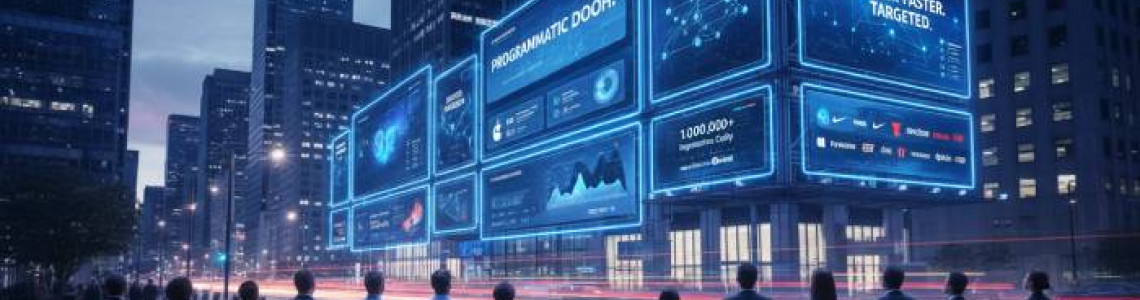
Digital transformation has reshaped nearly every advertising channel, and Out-of-Home (OOH) media is no exception. With the rise of data-driven marketing, Programmatic DOOH (Digital Out-of-Home) is changing how brands plan, buy, and deliver outdoor advertising. Instead of manual bookings and fixed schedules, automation now allows advertisers to deliver the right message at the right time and place.
This article explains what Programmatic DOOH is, how it works, its benefits, and why it is becoming the future of outdoor advertising.
What Is Programmatic DOOH?
Programmatic DOOH refers to the automated buying and selling of digital out-of-home advertising inventory using software and real-time data. It combines traditional outdoor advertising (billboards, transit screens, mall displays, airport screens, etc.) with programmatic technology used in digital advertising.
In traditional OOH media, advertisers had to negotiate placements manually and book screens for fixed time periods. With Programmatic DOOH, ads can be purchased automatically through platforms, allowing campaigns to run dynamically based on audience data, time, weather, location, or events.
In simple terms:
Programmatic DOOH = Digital screens + Automation + Data targeting
What Is DOOH Advertising?
DOOH (Digital Out-of-Home) refers to advertising displayed on digital screens in public places, such as:
- Digital billboards
- Airport screens
- Bus shelters
- Shopping malls
- Elevators
- Cinema lobbies
- Metro stations
Unlike static billboards, DOOH allows advertisers to change creatives remotely and run multiple ads on the same screen.
Programmatic DOOH takes this a step further by automating when and where ads appear.
How Programmatic DOOH Works
Programmatic DOOH uses advertising technology platforms similar to those used in online ads.
1. Demand-Side Platform (DSP)
Advertisers use DSPs to buy ad space automatically. They can set targeting rules such as location, time, audience type, or weather conditions.
2. Supply-Side Platform (SSP)
Media owners use SSPs to make their digital screens available for automated buying.
3. Data Providers
Data sources help decide when ads should run. These may include:
- Location data
- Traffic data
- Weather data
- Audience demographics
- Event data
4. Real-Time Decisioning
The system decides in real time which ad should appear on a screen based on the campaign rules.
Example:
- Coffee brand ad runs in the morning
- Ice cream ad runs when temperature is high
- Ride-hailing ad runs during traffic hours
This level of automation makes campaigns more efficient and relevant.
Key Benefits of Programmatic DOOH
1. Better Targeting
Advertisers can target specific audiences based on location, time, or behavior instead of showing the same ad all day.
2. Real-Time Optimization
Campaigns can be changed instantly without replacing physical posters.
3. Cost Efficiency
Advertisers can buy only the impressions they need instead of booking long fixed periods.
4. Data-Driven Decisions
Performance data helps marketers understand what works and improve campaigns.
5. Omnichannel Integration
Programmatic DOOH can work together with mobile, social media, and online ads for better reach.
Example:
A user sees a billboard → later sees the same brand on mobile → higher recall.
How Automation Is Transforming OOH Media
Automation is turning OOH from a traditional branding channel into a smart, data-driven advertising platform.
Dynamic Creative Optimization
Ads can change automatically based on:
- Weather
- Time of day
- Location
- Audience type
Flexible Campaign Buying
Advertisers no longer need to book for weeks. They can run campaigns for hours, days, or specific moments.
Real-Time Triggers
Campaigns can start automatically when a condition is met.
Examples:
- Rain → Umbrella ads
- Traffic jam → Food delivery ads
- Sports event → Brand promotions
Measurable Results
Modern DOOH platforms provide analytics such as:
- Estimated impressions
- Audience reach
- Location performance
- Engagement data
This makes OOH more accountable, like digital advertising.
Programmatic DOOH vs Traditional OOH
| Feature | Traditional OOH | Programmatic DOOH |
|---|---|---|
| Buying process | Manual | Automated |
| Creative changes | Difficult | Instant |
| Targeting | Limited | Advanced |
| Data usage | Minimal | High |
| Flexibility | Low | High |
| Measurement | Basic | Detailed |
Use Cases of Programmatic DOOH
- Retail promotions near stores
- Event-based advertising
- Weather-triggered campaigns
- Hyperlocal marketing
- Travel and transit ads
- Brand awareness campaigns
Industries using Programmatic DOOH include:
- Retail
- FMCG
- Automotive
- Real estate
- Entertainment
- Travel
- Fintech
Challenges of Programmatic DOOH
Despite its advantages, there are still some challenges:
- Limited inventory in some regions
- Standardization issues
- Data privacy concerns
- Higher setup costs for media owners
However, adoption is growing rapidly as technology improves.
The Future of Programmatic DOOH
The future of OOH media is automated, data-driven, and connected.
Trends shaping the future:
- AI-based targeting
- 5G-enabled real-time ads
- Integration with mobile data
- Smart city screens
- Interactive billboards
- Programmatic guaranteed buying
As more screens become digital, Programmatic DOOH will become the standard way to buy outdoor advertising.
Conclusion
Programmatic DOOH is transforming outdoor advertising by bringing automation, data, and flexibility to a traditionally manual medium. It allows advertisers to deliver more relevant messages, optimize campaigns in real time, and measure performance more accurately.
As brands look for smarter ways to reach audiences in the real world, Programmatic DOOH is quickly becoming one of the most powerful tools in modern media planning.
Elyts Advertising and Branding Solutions | www.elyts.in (India) | www.elyts.agency (UAE)
Related Products

Leave a Comment