















The Power of Location Based Targeting in Modern OOH Media | Elyts
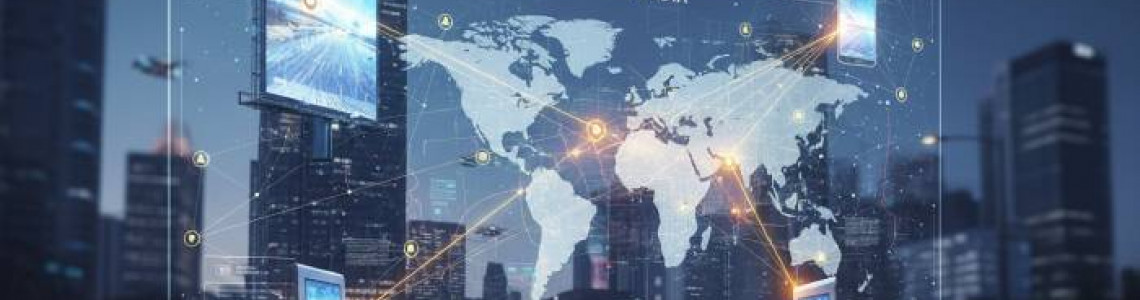
Out-of-Home (OOH) advertising has long been valued for its mass reach and constant visibility. However, in today’s data-driven advertising ecosystem, OOH media has evolved far beyond static billboards and generic messaging. One of the most transformative innovations shaping this evolution is location-based targeting. By combining real-world geography with digital intelligence, modern OOH campaigns are now more precise, relevant, and measurable than ever before.
What Is Location-Based Targeting in OOH Media?
Location-based targeting in OOH media refers to the strategic placement and dynamic activation of advertisements based on specific geographic locations and audience movement patterns. It leverages data such as footfall trends, traffic density, time of day, weather conditions, and proximity to points of interest like malls, offices, airports, or transit hubs.
With the rise of Digital Out-of-Home (DOOH), advertisers can now serve customized messages on screens depending on where the audience is and what they are likely doing at that moment.
Why Location Matters More Than Ever in OOH Advertising
In an era of hyper-personalized digital marketing, relevance is everything. Location-based targeting allows OOH media to deliver contextual relevance that online ads often struggle to match.
When a brand displays an ad near a retail store, restaurant, gym, or business district, it reaches consumers at the point of influence—when they are most likely to take action. This real-world context gives OOH advertising a unique advantage over purely digital channels.
Key Benefits of Location-Based Targeting in OOH Media
1. Enhanced Audience Relevance
By aligning ads with specific locations, brands can tailor their messaging to match local preferences, behaviors, and needs. A food brand can promote lunch offers near office zones, while a travel brand can target airports and metro stations with destination-based messaging.
2. Higher Engagement and Recall
Consumers are more likely to notice and remember ads that feel relevant to their immediate environment. Location-aware OOH campaigns naturally blend into daily routines, making them less intrusive and more impactful.
3. Smarter Media Planning
Advanced location data helps advertisers identify high-performing zones based on real foot traffic and dwell time. This ensures media budgets are invested in locations that deliver maximum exposure and engagement.
4. Dynamic and Contextual Messaging
Modern DOOH screens allow real-time content changes based on location signals such as weather, time, or nearby events. For example, a beverage brand can promote cold drinks on a hot afternoon or hot beverages during rainy weather in specific areas.
5. Measurable Performance
With mobile data integration and geofencing, advertisers can track post-exposure actions such as store visits, app installs, or website visits. This bridges the gap between offline exposure and online conversions.
Role of Technology in Location-Based OOH Targeting
Technologies like GPS data, mobile location intelligence, programmatic buying, and AI-powered analytics play a crucial role in modern OOH targeting. Programmatic DOOH enables automated ad placements triggered by location-based conditions, while AI helps predict audience movement and optimize screen selection.
These technologies turn OOH into a performance-driven medium rather than just a branding channel.
Use Cases of Location-Based OOH Campaigns
Retail brands use proximity targeting to drive in-store footfall.
Real estate companies advertise near high-income residential zones.
Automotive brands target highways, fuel stations, and commercial districts.
Entertainment and OTT platforms promote releases near malls and transit hubs during peak hours.
Each use case demonstrates how location enhances message relevance and conversion potential.
The Future of Location-Based Targeting in OOH Media
As smart cities, 5G connectivity, and data ecosystems continue to grow, location-based OOH targeting will become even more sophisticated. Integration with mobile, social, and e-commerce platforms will allow brands to deliver seamless omnichannel experiences driven by physical-world interactions.
OOH media will no longer be just about visibility—it will be about precision, context, and measurable impact.
Conclusion
The power of location-based targeting is redefining modern OOH media. By combining geographic intelligence with digital innovation, brands can reach the right audience at the right place and time. As competition for consumer attention intensifies, location-based OOH advertising stands out as a highly effective, context-rich, and future-ready marketing solution.
Elyts Advertising and Branding Solutions | www.elyts.in (India) | www.elyts.agency (UAE)
Related Products





Leave a Comment