














Top Mall Media Strategies to Boost Brand Visibility | Digitally
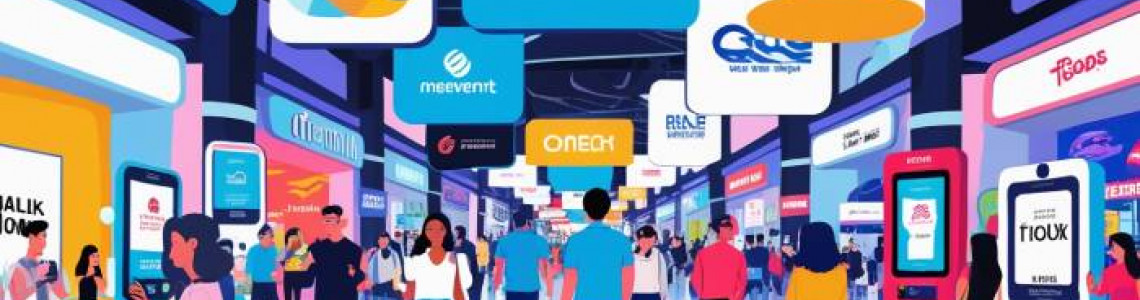
As consumer lifestyles continue to evolve, shopping malls are no longer just retail destinations—they have become immersive brand engagement hubs. With rising footfalls, longer dwell times, and tech-enabled environments, mall media advertising is set to play a pivotal role in brand visibility strategies in 2026. Brands that leverage innovation, data, and creativity within mall spaces will gain a significant competitive edge.
This article explores the top mall media strategies that brands should adopt in 2026 to maximize reach, recall, and return on investment.
1. Data-Driven Audience Targeting
In 2026, mall media is increasingly powered by data analytics. Smart malls now use anonymized footfall data, demographic insights, and movement patterns to help advertisers deliver highly targeted messages.
Why it works:
-
Ads reach shoppers based on age, interests, time of visit, and zone behavior
-
Reduces ad wastage and improves campaign efficiency
-
Enables personalized messaging across different mall locations
Brands that integrate mall data with CRM and digital platforms will achieve sharper targeting and better conversions.
2. Digital Screens with Dynamic Content
Static hoardings are being replaced by high-resolution digital displays that allow real-time content updates. In 2026, dynamic mall screens will adapt creatives based on time, events, weather, or promotions.
Best practices:
-
Morning vs evening messaging
-
Festive or sale-based creatives
-
Location-specific offers within the mall
Dynamic content keeps ads fresh, relevant, and more engaging for repeat visitors.
3. Interactive and Experiential Installations
Shoppers today expect experiences, not interruptions. Interactive mall media—such as touchscreens, motion sensors, and gamified displays—will be a major visibility driver in 2026.
Popular formats include:
-
Interactive brand kiosks
-
Product trials and demos
-
Gamified contests with instant rewards
These formats increase dwell time and emotional connection, making brands more memorable.
4. Integration with Mobile and QR-Based Engagement
Mall media strategies in 2026 will strongly integrate offline and online touchpoints. QR codes, NFC tags, and mobile-triggered interactions will connect physical ads to digital journeys.
Benefits:
-
Instant access to offers, apps, or websites
-
Trackable engagement metrics
-
Encourages post-mall brand interaction
This omnichannel approach extends brand visibility beyond the mall visit.
5. Strategic Placement Across the Shopper Journey
Effective mall media is not just about visibility—it’s about context. Brands in 2026 will focus on placing ads at key decision-making points.
High-impact zones include:
-
Mall entrances and atriums
-
Escalators and elevators
-
Food courts and entertainment zones
-
Parking areas
Strategic placement ensures repeated exposure throughout the shopper’s journey.
6. Event-Based and Seasonal Mall Campaigns
Malls host festivals, product launches, weekend events, and seasonal sales—making them ideal platforms for contextual brand campaigns.
Winning strategies:
-
Festive-themed mall takeovers
-
Brand-sponsored events and pop-ups
-
Limited-time experiential zones
Aligning campaigns with mall events significantly boosts recall and engagement.
7. Sustainable and Eco-Friendly Mall Media
Sustainability will be a key brand differentiator in 2026. Eco-conscious consumers are more likely to engage with brands that reflect responsible values.
Green mall media ideas:
-
Energy-efficient LED screens
-
Digital displays instead of printed materials
-
Recyclable or reusable installations
Sustainable advertising not only enhances brand image but also aligns with modern consumer expectations.
8. Programmatic and AI-Enabled Mall Advertising
Programmatic buying is entering mall media at scale. AI-powered platforms will allow brands to automate ad placements, optimize creatives, and measure performance in real time.
Key advantages:
-
Smarter ad scheduling
-
Real-time performance optimization
-
Better ROI tracking
This tech-driven approach makes mall media more measurable and accountable.
9. Brand Storytelling Through Long-Form Visuals
Instead of single creatives, brands in 2026 will focus on storytelling through sequential visuals displayed across multiple mall touchpoints.
Examples:
-
Teaser-to-launch storytelling formats
-
Multi-screen brand narratives
-
Emotional and lifestyle-driven messaging
Storytelling builds stronger brand recall and emotional resonance.
Conclusion
Mall media in 2026 is set to be smarter, more interactive, and deeply integrated with digital ecosystems. Brands that embrace data-driven targeting, immersive experiences, strategic placements, and sustainable practices will stand out in increasingly competitive retail environments.
By treating malls as experiential media platforms rather than just advertising spaces, brands can significantly boost visibility, engagement, and long-term recall in the years ahead.
Elyts Advertising and Branding Solutions | www.elyts.in (India) | www.elyts.agency (UAE)
Related Products

Leave a Comment