















Mall Media | How Shopping Centers Are Becoming Advertising Hubs
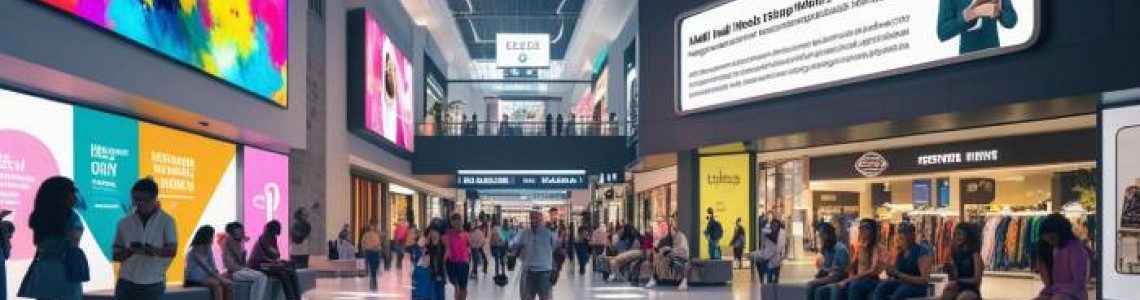
In today’s highly competitive advertising landscape, brands are constantly searching for spaces that deliver high visibility, targeted audiences, and measurable impact. One medium that is rapidly gaining momentum is mall media. Once viewed purely as retail destinations, shopping malls are now transforming into powerful advertising hubs, offering immersive, data-driven, and high-impact brand experiences.
This shift marks a significant evolution in out-of-home (OOH) advertising, positioning malls as strategic platforms for modern marketers.
What Is Mall Media?
Mall media refers to advertising placements within shopping centers, including:
-
Digital screens and LED walls
-
Lift, escalator, and corridor branding
-
Food court and cinema advertising
-
Interactive kiosks and touchscreens
-
Experiential activations and pop-up zones
Unlike traditional outdoor advertising, mall media reaches consumers in a controlled, brand-safe environment where dwell time is high and purchasing intent is strong.
Why Mall Media Is Growing Rapidly
1. High Footfall with Quality Audiences
Shopping malls attract families, working professionals, students, and high-spending consumers. Unlike roadside billboards, mall visitors arrive with time to explore, shop, and engage, making them more receptive to advertising messages.
2. Longer Dwell Time Equals Better Recall
Mall visitors often spend hours browsing, dining, or watching movies. This extended dwell time increases brand recall, message retention, and emotional connection—key factors in successful advertising.
3. Strategic Consumer Touchpoints
From parking areas to checkout counters, malls provide multiple high-frequency touchpoints where brands can reinforce their messaging throughout the shopper’s journey.
The Role of Digital Transformation in Mall Media
Digital innovation has played a major role in elevating mall media from static posters to dynamic advertising ecosystems.
Programmatic and Smart Displays
Digital screens allow brands to run time-based, audience-specific, and location-driven ads. Campaigns can be adjusted in real time, offering flexibility and performance optimization.
Data-Driven Targeting
Footfall analytics, demographic insights, and heat mapping help advertisers understand shopper behavior and tailor campaigns more precisely.
Interactive Brand Experiences
AR mirrors, QR code integrations, and touchscreen kiosks encourage shoppers to actively interact with brands rather than passively view ads.
Mall Media vs Traditional OOH Advertising
| Feature | Mall Media | Traditional OOH |
|---|---|---|
| Audience Targeting | Highly segmented | Broad |
| Dwell Time | High | Low |
| Environment | Brand-safe & premium | Uncontrolled |
| Interactivity | High | Minimal |
| Conversion Potential | Strong | Moderate |
Mall media bridges the gap between branding and conversion, making it especially attractive for retail, FMCG, electronics, fashion, and lifestyle brands.
Why Brands Prefer Mall Media Today
Boosts Purchase Decisions
Shoppers exposed to ads inside malls are closer to the point of sale. Mall media directly influences impulse buying and in-store visits.
Enhances Brand Image
Premium placements inside modern malls elevate brand perception and credibility.
Supports Omnichannel Marketing
Mall media integrates seamlessly with mobile marketing, social media, and in-store promotions, delivering a cohesive brand experience.
Mall Media in Tier 1, 2, and 3 Cities
With rapid urbanization and the rise of organized retail, malls in Tier 2 and Tier 3 cities are becoming community hubs. This presents a massive opportunity for brands looking to expand their reach beyond metros while maintaining quality engagement.
The Future of Mall Media Advertising
The future of mall media lies in:
-
AI-powered audience analytics
-
Programmatic DOOH integration
-
Sustainable digital infrastructure
-
Personalized and immersive ad formats
As malls continue to evolve into experience-driven destinations, advertising within these spaces will become more contextual, measurable, and consumer-centric.
Conclusion
The rise of mall media reflects a broader shift in advertising—from interruption to engagement. Shopping centers are no longer just retail spaces; they are high-value advertising ecosystems where brands can connect with consumers at the right time, in the right place, and with the right message.
For advertisers seeking visibility, engagement, and real-world impact, mall media is no longer optional—it’s essential.
Elyts Advertising and Branding Solutions | www.elyts.in (India) | www.elyts.agency (UAE)
Related Products





Leave a Comment