















Mall Media Trends in Tier 2 and Tier 3 Cities | Digital Marketing
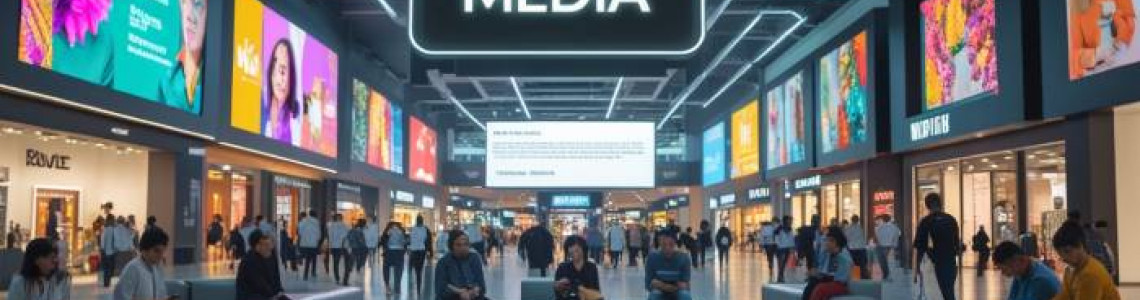
As urbanization spreads beyond metropolitan hubs, Tier 2 and Tier 3 cities are emerging as untapped markets for brands and retailers. Shopping malls in these cities are evolving into dynamic advertising platforms, offering businesses unique opportunities to engage with a growing consumer base. Here’s a look at the key mall media trends shaping Tier 2 and Tier 3 markets.
1. Rise of Digital Screens and Interactive Displays
Digital screens are replacing static banners and posters, enabling brands to deliver dynamic content tailored to local audiences. In smaller cities, interactive displays and touchscreens engage shoppers directly, making campaigns more memorable. From product demos to gamified experiences, these screens help brands create meaningful interactions that drive sales.
2. Localized Campaigns for Targeted Engagement
Tier 2 and Tier 3 cities have distinct cultural nuances and consumer preferences. Successful mall media campaigns now focus on hyper-local content, showcasing regional festivals, local celebrities, and city-specific promotions. Brands that adapt messaging to resonate with local sensibilities enjoy higher engagement and stronger brand recall.
3. Integration with Social Media and QR-Based Engagement
Malls in smaller cities are leveraging social media to amplify in-mall campaigns. QR codes on displays allow shoppers to instantly access discounts, join contests, or follow brand pages. This integration bridges offline and online marketing, creating a seamless shopper journey and measurable ROI for brands.
4. Experiential Marketing in Malls
Experiential campaigns are gaining traction, even in smaller cities. Brands are organizing pop-up activations, live demonstrations, and sampling events inside malls to offer immersive experiences. Such initiatives not only boost footfall but also encourage word-of-mouth promotion, which is particularly effective in closely-knit Tier 2 and Tier 3 communities.
5. Data-Driven Media Planning
Analytics-driven strategies are no longer limited to metros. Smaller cities’ malls are increasingly adopting footfall tracking, demographic insights, and dwell-time analysis to optimize media placement. This data ensures that brands target the right audience at the right time, enhancing campaign efficiency and impact.
6. Sustainability and Eco-Friendly Campaigns
Sustainability is becoming a critical consideration for shoppers everywhere, including smaller cities. Brands are embracing eco-friendly mall media solutions like digital-only displays, recyclable materials, and energy-efficient installations. These campaigns appeal to environmentally conscious consumers and improve brand perception.
7. Collaborations with Local Retailers
Partnerships with mall tenants and local businesses are on the rise. Co-branded promotions, joint loyalty programs, and collaborative events help brands tap into existing customer bases while enhancing shopper engagement. Such strategies are especially effective in Tier 2 and Tier 3 cities, where personal relationships and community trust influence purchasing decisions.
Conclusion
Tier 2 and Tier 3 cities are no longer peripheral markets—they are vibrant hubs of consumer activity. Mall media in these cities is evolving rapidly, offering brands the chance to combine digital innovation, experiential marketing, and local insights for maximum impact. By keeping pace with these trends, brands can unlock growth, drive footfall, and create meaningful connections with emerging consumer markets.
Elyts Advertising and Branding Solutions | www.elyts.in (India) | www.elyts.agency (UAE)
Related Products



Leave a Comment