















Digital Mall Media Screens Why Brands Are Investing More in DOOH
The advertising landscape is undergoing a powerful transformation, and one of the most noticeable shifts is happening inside shopping malls. Digital Mall Media Screens, a key part of Digital Out-of-Home (DOOH) advertising, are rapidly replacing traditional static displays. As consumer attention becomes harder to capture online, brands are increasingly turning to high-impact digital screens in malls to engage audiences at the right place and time.
What Are Digital Mall Media Screens?
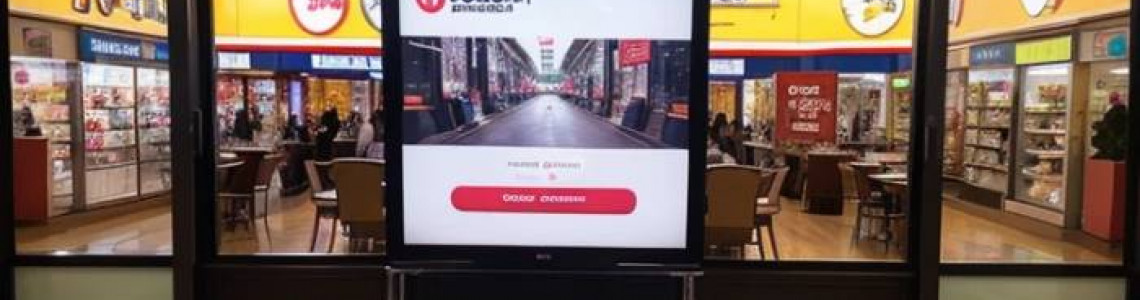
Digital mall media screens are strategically placed LED and LCD displays inside shopping malls, including entrances, atriums, escalators, food courts, cinemas, and parking areas. These screens deliver dynamic, visually rich content such as videos, animations, live promotions, and interactive ads. Unlike static hoardings, digital screens allow brands to update messages instantly and run multiple campaigns on a single display.
Why Digital Mall Media Is Growing Rapidly
The rise of digital mall media is closely linked to changing consumer behavior. Malls today are not just shopping destinations—they are lifestyle hubs where people spend extended time dining, watching movies, and socializing. This dwell time creates a high-attention environment, making mall-based DOOH advertising extremely effective.
Additionally, the return of foot traffic post-pandemic has strengthened advertiser confidence in physical spaces. Brands now recognize that mall visitors are often in a purchase-ready mindset, which significantly boosts ad recall and conversion potential.
Key Reasons Brands Are Investing More in DOOH Mall Screens
1. High Visibility and Guaranteed Attention
Digital screens in malls are placed at eye-level and high-traffic zones, ensuring repeated exposure. Shoppers cannot skip or block these ads, unlike online advertising, making DOOH a brand-safe and interruption-free medium.
2. Dynamic and Engaging Content
DOOH allows brands to showcase motion graphics, videos, and 3D creatives that instantly attract attention. Visually compelling content stands out in crowded retail environments and leaves a stronger impression compared to static formats.
3. Real-Time and Contextual Advertising
Digital mall screens enable day-parting and contextual messaging. Brands can run breakfast offers in the morning, movie promotions in the evening, or weekend sales during peak hours. This real-time flexibility increases relevance and campaign effectiveness.
4. Data-Driven Targeting and Measurability
Modern DOOH networks integrate audience analytics, footfall data, and AI-powered insights. Brands can measure impressions, dwell time, and engagement, helping them optimize campaigns and justify ad spend with tangible metrics.
5. Strong Influence on Purchase Decisions
Mall media advertising reaches consumers close to the point of sale. Whether promoting a fashion brand, food outlet, smartphone launch, or entertainment event, digital screens influence buying decisions when shoppers are most receptive.
Integration with Omnichannel Marketing Strategies
Digital mall media screens work seamlessly with online and mobile campaigns. QR codes, NFC, and mobile retargeting allow brands to connect offline exposure with online actions. A shopper who sees a digital ad in a mall can later receive targeted ads on their smartphone, strengthening brand recall and conversion.
Industries Leading the Adoption of Digital Mall Media
Several industries are driving investment in DOOH mall advertising, including:
-
Fashion and apparel brands
-
FMCG and lifestyle products
-
Electronics and smartphone manufacturers
-
OTT platforms and movie promotions
-
Food and beverage chains
-
Real estate and financial services
These sectors benefit from high footfall, visual storytelling, and immediate consumer engagement.
The Future of Digital Mall Media Advertising
As technology advances, digital mall media screens are becoming smarter and more interactive. Innovations such as AI-based content optimization, programmatic DOOH buying, facial detection (privacy-compliant), and immersive 3D displays are shaping the future of mall advertising. Brands that invest early gain a competitive edge by capturing premium attention in physical spaces.
Conclusion
The rise of digital mall media screens highlights a major shift in advertising priorities. In an era of digital fatigue, DOOH advertising in malls offers brands high visibility, measurable impact, and strong consumer engagement. With its ability to influence purchasing decisions at the right moment, digital mall media is no longer optional—it is a strategic investment for brands aiming to stay relevant, visible, and impactful in today’s competitive market.
Elyts Advertising and Branding Solutions | www.elyts.in (India) | www.elyts.agency (UAE)
Related Products





Leave a Comment